
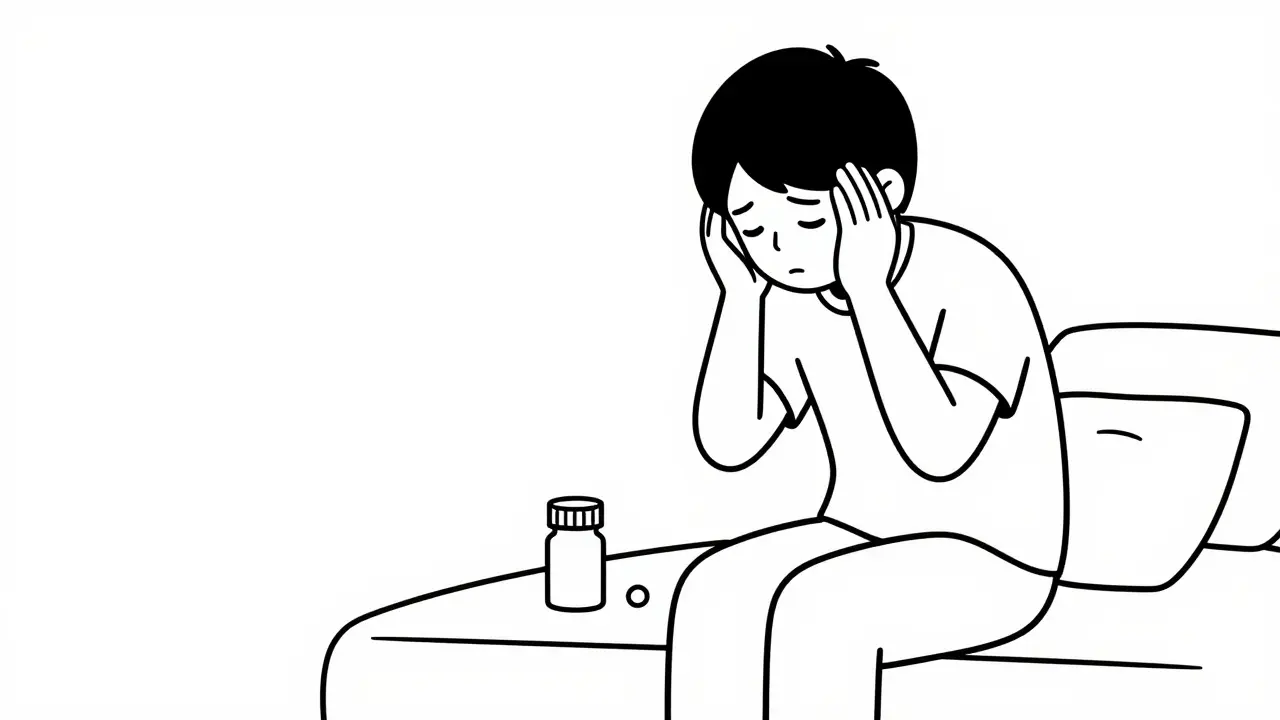
You take your morning pill. It’s a generic version of a drug you’ve trusted for years. Within hours, you feel a headache coming on. Your muscles ache. You wonder if the cheaper alternative is actually harming you. But here is the twist: the active ingredient in that pill is chemically identical to the brand-name version you took before. The side effects are real, but they aren’t caused by the chemistry. They are caused by your brain.
This phenomenon is called the nocebo effect, defined as the induction of negative symptoms through sham treatment or suggestion of negative expectations. It is the dark twin of the placebo effect. While placebos heal through hope, nocebos harm through fear. When patients switch from brand-name to generic medications, negative expectations can trigger genuine physical symptoms, despite the drugs being pharmaceutically equivalent. Understanding this psychological mechanism is crucial for anyone navigating modern healthcare, where generics make up the vast majority of prescriptions.
The Science Behind "I Shall Harm"
The word nocebo comes from Latin, meaning "I shall harm." It was coined by physician Irving Kirsch in the early 1960s as the opposite of placebo, which means "I shall please." For decades, doctors dismissed nocebo reactions as mere imagination. Today, neuroscience proves otherwise. Negative expectations activate specific regions in the brain associated with pain processing and anxiety.
When you believe a medication will cause side effects, your brain prepares for them. It heightens your awareness of normal bodily sensations. A slight twinge in your back becomes a sign of muscle toxicity. A momentary fatigue becomes proof that the drug is draining your energy. Research shows that when patients were told an epidural would feel "like a bee sting," they experienced significantly more pain than those who were reassured they would be comfortable. The physical stimulus was identical; only the expectation changed.
This isn't just about pain. In clinical trials, approximately 1 in 5 participants given a sugar pill (placebo) spontaneously report side effects. Almost 1 in 10 withdraw from studies entirely because these perceived adverse effects become unbearable. If this happens with inert pills, imagine what happens when patients switch to a new generic brand they suspect is inferior.
Generics vs. Brand Names: The Expectation Gap
Generic medications contain the same active ingredients, in the same doses, and with the same intended use as their brand-name counterparts. Regulatory agencies like the FDA and EMA require rigorous bioequivalence testing to ensure this. However, the nocebo effect thrives on the perception of difference.
Patients often view generics as "cheap imitations" rather than therapeutic equivalents. This skepticism creates a self-fulfilling prophecy. Studies indicate that patients who receive negative information about generics report 30-40% more adverse effects than those receiving neutral or positive information, even when the medications are identical. The American Journal of Medicine published findings showing that negative expectations about generic medications can reduce their effectiveness by up to 50% compared to identical brand-name drugs when patients believe they're receiving generics.
| Patient Expectation | Reported Adverse Effects | Medication Efficacy |
|---|---|---|
| Negative (e.g., "This generic might not work") | Increase by 30-40% | Decrease by up to 50% |
| Neutral (Standard information) | Baseline levels | Standard efficacy |
| Positive (e.g., "Identical and cost-saving") | Decrease by 37% | Maintained or improved |
The issue is compounded by media narratives. In New Zealand’s 2017 venlafaxine brand change, initial adverse effect reports showed no notable increase. However, after media coverage highlighted potential problems, reports surged considerably. The medication hadn’t changed; the public narrative had. This illustrates how collective patient experiences and media framing can amplify nocebo responses during generic switches.
Real-World Examples: Statins, Migraines, and Opioids
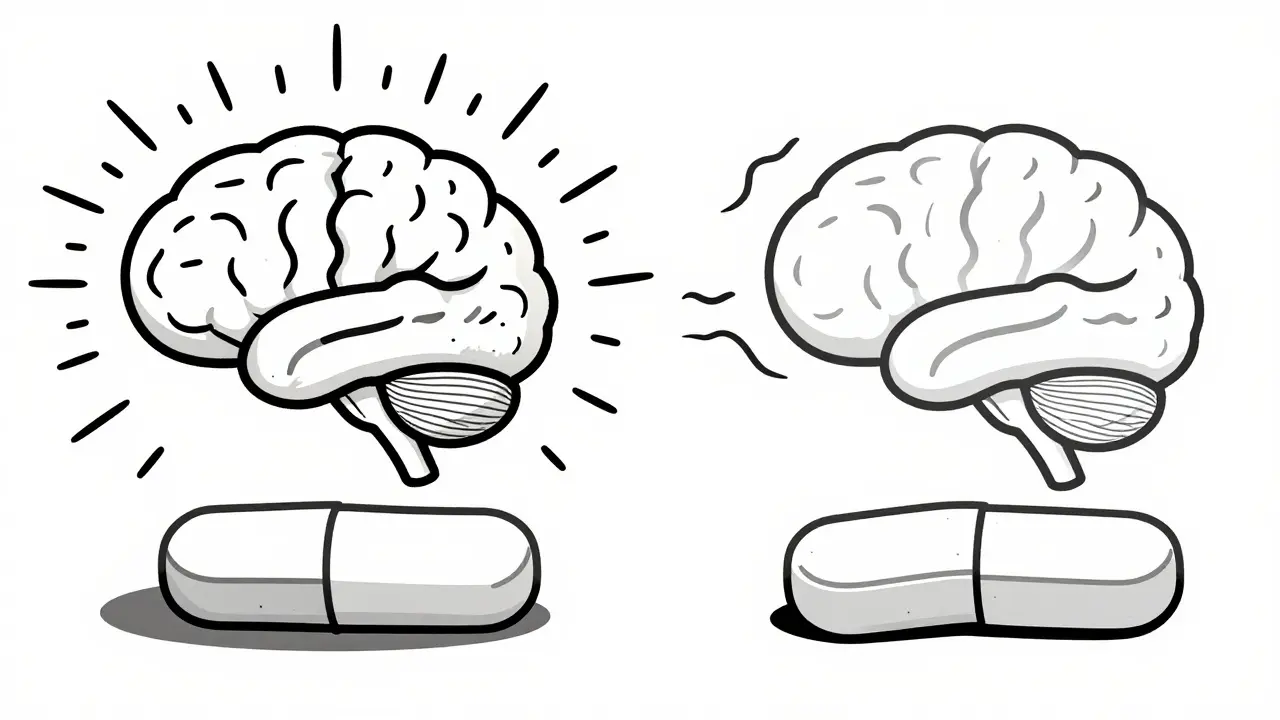
The nocebo effect is not theoretical. It manifests clearly in specific drug classes. Consider statins, widely prescribed for cholesterol management. A common complaint among users is muscle aches. However, studies have demonstrated that rates of muscle aches are identical between participants taking actual statins and those taking sugar pills. The belief that statins cause muscle damage is so pervasive that it generates the symptom itself.
In migraine treatment, 2 in 5 participants taking placebo pills reported side effects like memory problems and loss of appetite. These individuals received no active medication, yet their brains produced the side effects because they expected them. Similarly, in opioid research, expectations of negative treatment outcomes completely eliminated the analgesic effect of remifentanil. Conversely, positive expectations doubled its effectiveness. Your mind doesn't just color the experience; it dictates the physiological outcome.
One study found that patients told beta-blockers could cause sexual side effects were 3 to 4 times more likely to report these issues than the control group not informed of this possibility. The warning label didn't just inform; it induced. When applied to generics, where patients already harbor doubts, the risk of nocebo-induced side effects skyrockets.
The Role of Healthcare Providers
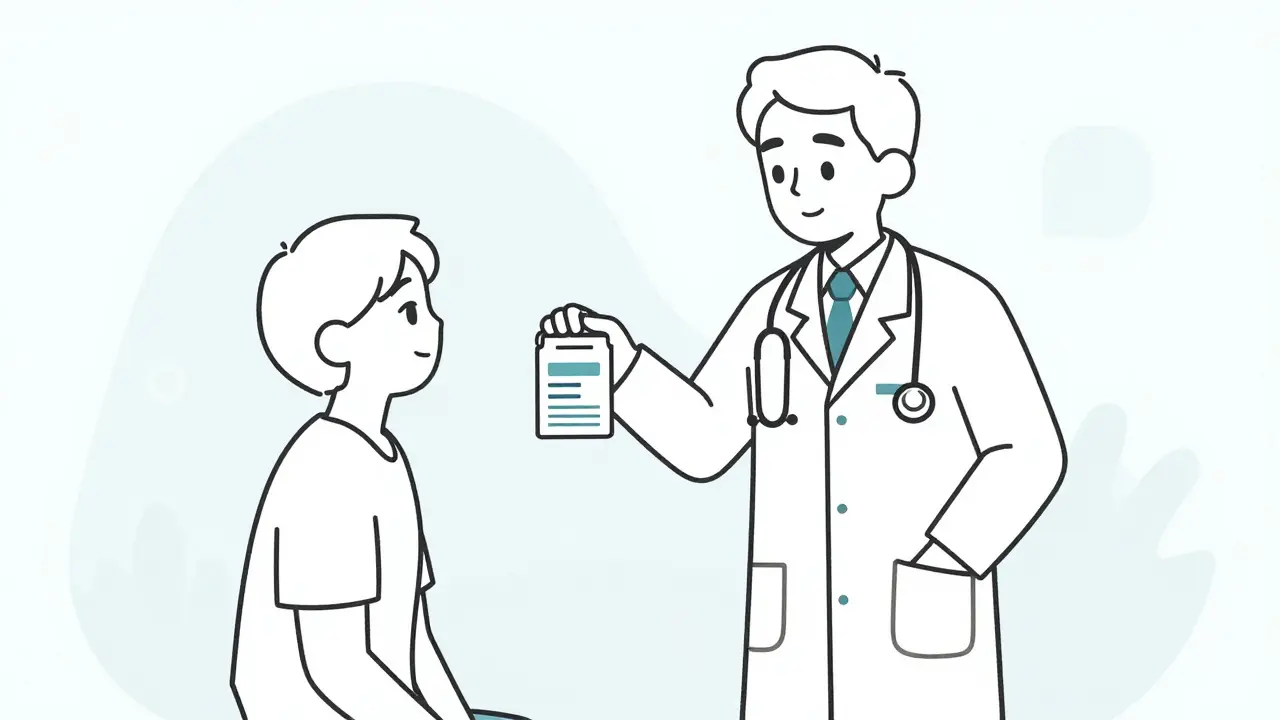
Doctors and pharmacists play a critical role in either triggering or mitigating the nocebo effect. Professor Luana Colloca of the University of Maryland notes that "negative expectations can be as powerful as the pharmacological properties of a drug." If a clinician hesitates when handing over a generic, or says, "This is the cheaper version," they signal doubt. That doubt transfers to the patient.
Research indicates that telling patients "this is a generic version that might not work as well" increases nocebo responses by 65% compared to neutral statements. Conversely, when clinicians provide positive framing-explaining that generics contain identical active ingredients and undergo rigorous testing-patient-reported adverse effects decrease by 37%. Dr. Karin Ried of the National Institute of Complementary Medicine explains that multiple influences converge during a brand change, including the clinician's interaction and the information provided.
Training programs for healthcare providers now incorporate nocebo effect education. A 2022 study in Patient Education and Counseling showed that physicians who received this training reduced patient-reported adverse effects during generic switches by 28%. Simple changes in communication style can dramatically improve patient outcomes.
Economic and Systemic Impact
The nocebo effect isn't just a personal health issue; it’s an economic one. Generic medications comprise 90% of prescriptions filled in the United States but represent only 24% of pharmaceutical spending. When patients discontinue effective generic treatments due to nocebo-induced side effects, they often return to expensive brand-name drugs. Research published in JAMA Internal Medicine estimates that nocebo-related discontinuation costs the U.S. healthcare system approximately $1.2 billion annually in avoidable brand-name prescriptions and additional medical consultations.
The World Health Organization identified "negative perceptions about generic medicines" as a key barrier to optimal medication use in 67% of surveyed countries. Pharmaceutical companies are beginning to invest in "nocebo mitigation" strategies. Pfizer’s 2021 initiative for their generic atorvastatin reported a 22% reduction in adverse event reports through improved patient communication materials. Regulatory agencies like the FDA have issued guidance requiring that patient information leaflets for generics avoid language that might induce negative expectations.
How to Protect Yourself from the Nocebo Effect
If you are switching to a generic medication, you can actively manage your expectations to minimize nocebo risks. Here are practical steps based on current research:
- Educate yourself on bioequivalence: Understand that generics must meet strict regulatory standards to ensure they deliver the same amount of active ingredient into your bloodstream within a similar timeframe as the brand name.
- Reframe the narrative: Instead of viewing the generic as a "downgrade," view it as a scientifically validated equivalent that saves you money without sacrificing efficacy.
- Monitor objectively: Keep a simple symptom diary. Record any side effects along with other factors like stress, diet, or sleep. Often, patterns emerge that show symptoms are unrelated to the medication switch.
- Communicate positively with your provider: Ask your doctor or pharmacist to confirm the equivalence of the drug. Their confidence can reinforce your own.
- Avoid online echo chambers: While sharing experiences is valuable, reading extensive lists of side effects before starting a medication can prime your brain to notice them. Focus on evidence-based information rather than anecdotal horror stories.
Current developments focus on personalized communication. A 2023 multicenter trial published in The Lancet Digital Health tested an AI-powered communication tool that tailors generic medication information based on individual patient beliefs, reducing nocebo responses by 41%. As we move toward more personalized medicine, managing expectations will become as important as prescribing the right dose.
Is the nocebo effect dangerous?
While the nocebo effect causes real discomfort and can lead to treatment discontinuation, it is generally not life-threatening. However, stopping essential medications like blood pressure or heart drugs due to perceived side effects can have serious health consequences. The danger lies in the decision to stop effective therapy, not in the side effects themselves.
Are generic drugs really the same as brand names?
Yes. By law, generic drugs must have the same active ingredient, strength, dosage form, and route of administration as the brand-name drug. They must also demonstrate bioequivalence, meaning they perform similarly in the body. Differences in inactive ingredients (like dyes or fillers) are minimal and rarely cause clinical differences, though allergies to specific fillers are possible.
Why do I feel worse when I switch to a generic?
You may be experiencing the nocebo effect. If you expect the generic to be less effective or more harmful, your brain can trigger physical symptoms like headaches, fatigue, or nausea. Additionally, heightened awareness of your body can make you notice normal sensations that you previously ignored, attributing them to the new medication.
Can doctors help prevent the nocebo effect?
Absolutely. Doctors can mitigate the nocebo effect by using positive language, explaining the scientific equivalence of generics, and avoiding warnings that emphasize potential side effects unless necessary. Studies show that positive framing from clinicians reduces reported adverse effects by nearly 40%.
Does the nocebo effect happen with all medications?
The nocebo effect can occur with any treatment, but it is particularly common with medications that have high-profile side effect profiles or where patients have strong pre-existing beliefs. Drugs like statins, antidepressants, and opioids are frequently cited in nocebo research due to the significant impact of expectations on their perceived efficacy and tolerability.
