
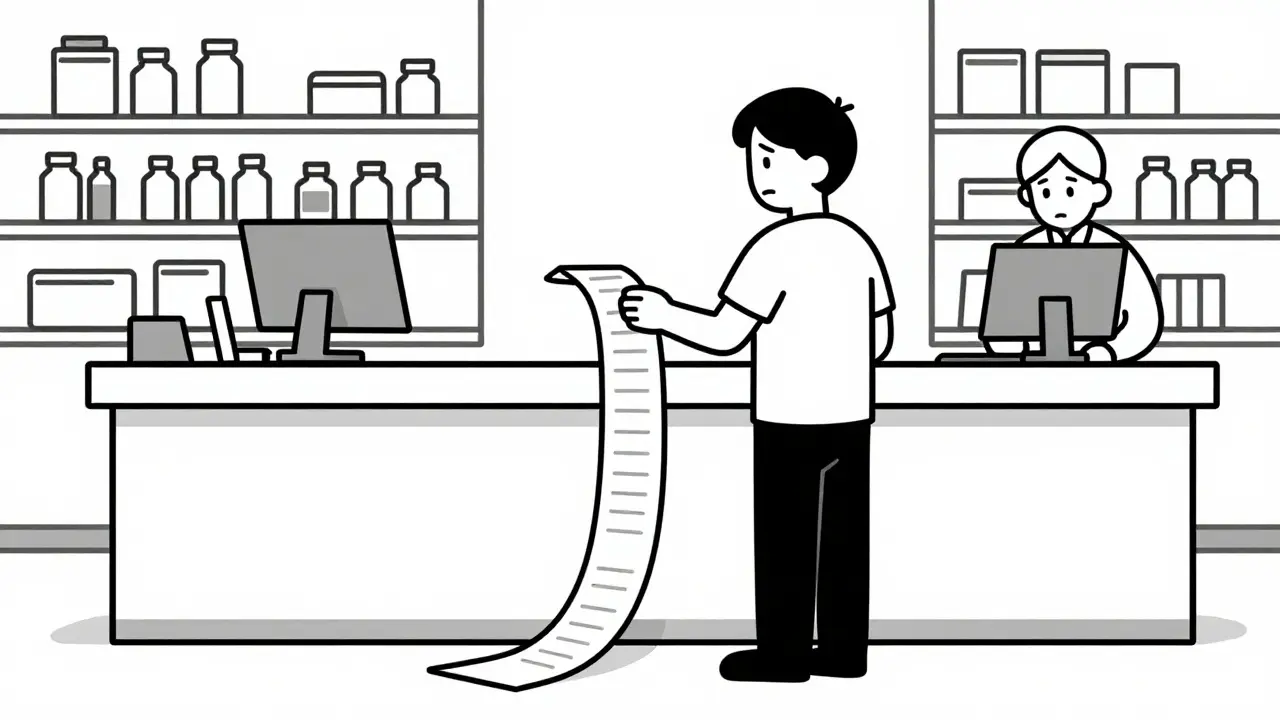
Have you ever stared at a pharmacy receipt, wondering how a simple pill could cost more than your weekly grocery bill? You are not alone. In the United States, the gap between what a drug costs to make and what you pay at the counter is often massive. This isn't just bad luck; it's a complex system involving manufacturers, insurers, and middlemen that leaves patients footing the bill for inefficiencies.
The good news is that the landscape is shifting. With new federal rules taking effect in 2026 and smarter strategies available today, you have more power than ever to lower those costs. Whether you are on Medicare, private insurance, or paying out of pocket, understanding the mechanics of medication costs can save you hundreds, if not thousands, of dollars every year.
Understanding the Hidden Price Tag
To fight high prices, you first need to understand where they come from. The price you see on the bottle is rarely the 'real' price. It starts with the list price, which pharmaceutical companies set. Then, Pharmacy Benefit Managers (PBMs)-the intermediaries between insurers and pharmacies-negotiate rebates. These rebates often stay hidden from the patient, meaning your insurance plan might look cheap because of high rebates, but your individual copay stays high.
This opacity creates a situation where Americans pay significantly more for branded drugs than citizens in other developed nations. According to analysis by Oliver Wyman, the net price for branded drugs in the US is often two or three times higher than in comparable countries. This pricing structure has historically supported industry investment, but recent policy shifts aim to correct this imbalance without stifling innovation.
The Power of Generic Drugs
If there is one silver bullet for lowering medication costs, it is switching to generics. A generic drug contains the same active ingredient as the brand-name version but skips the costly research, development, and marketing expenses since the original patent has expired. The result? Prices that are often 80% to 85% lower than their brand-name counterparts.
However, not all generics are created equal in terms of availability. Some rare conditions or specialized treatments may only have brand options. For common ailments like high blood pressure, cholesterol, or depression, generics are widely available. Always ask your doctor, "Is there a generic alternative?" If the answer is yes, insist on it unless there is a specific medical reason why your body reacts poorly to the generic formulation.
Innovative models are also emerging to further reduce costs. For instance, Mark Cuban’s Cost-Plus Drugs Company demonstrated that a transparent, cost-plus pricing model can save customers upwards of 30% on generic drugs by eliminating the spread-based markup traditional pharmacies rely on. While not yet ubiquitous, this trend highlights a growing demand for transparency in the supply chain.
Navigating Prescription Drug Coupons
Manufacturer coupons are the most visible tool for reducing costs, but they come with strings attached. These coupons, often found online or provided by pharmacists, can drop the price of a brand-name drug from hundreds of dollars to $10 or $25. However, there is a catch: many insurance plans do not count coupon discounts toward your deductible or out-of-pocket maximums.
This means you might pay less at the register, but you aren't making progress toward reaching the point where your insurance covers 100% of the cost. Before using a coupon, check with your insurer. If you are close to hitting your annual cap, it might be better to pay the full copay so that amount counts toward your limit. Additionally, some states prohibit the use of manufacturer coupons for Medicaid beneficiaries, so eligibility varies.
- Check Eligibility: Not all drugs or plans accept coupons. Some require you to be uninsured or underinsured.
- Compare Plans: Sometimes, a different insurance tier within your network offers a lower copay than any coupon could provide.
- Watch for Expiration: Coupons often expire quickly. Keep digital copies ready before you go to the pharmacy.
The Hurdle of Prior Authorizations
You’ve probably heard the phrase "prior authorization" (PA) with dread. It happens when your insurance company refuses to cover a prescribed drug until your doctor proves it is medically necessary. This process can delay treatment for days or even weeks, adding stress to an already difficult health situation.
Why do insurers do this? To control costs. They want to ensure you try cheaper, generic alternatives first-a strategy known as "step therapy." If the generic fails, then they approve the brand-name drug. While frustrating, PAs are a standard part of the commercial insurance landscape.
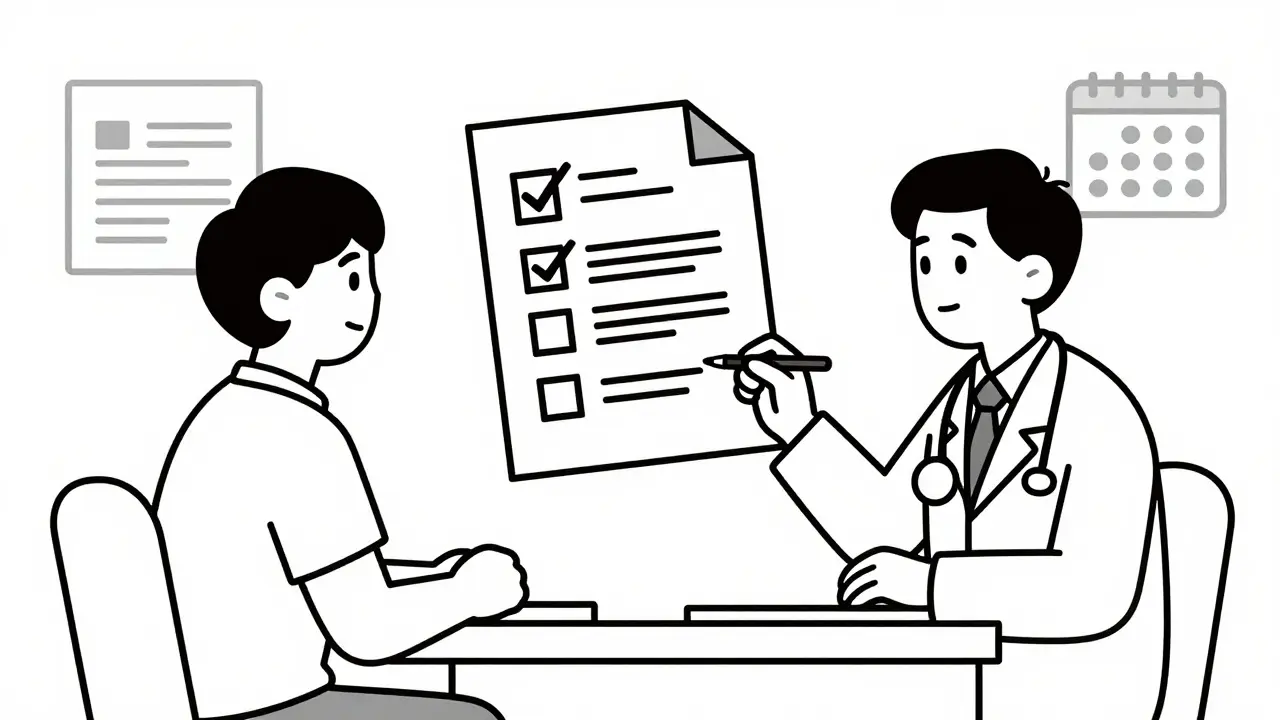
To speed up the process, build a strong relationship with your doctor’s office staff. They handle these requests daily and know the specific language insurers require. Ask them to submit the PA electronically rather than by fax, which is faster and less prone to getting lost. If your PA is denied, don’t give up. Your doctor can appeal the decision, providing additional medical records or literature supporting the necessity of the specific drug.
New Federal Rules: Medicare Price Negotiation
A major shift occurred with the Inflation Reduction Act (IRA) of 2022, which allowed the Centers for Medicare & Medicaid Services (CMS) to negotiate drug prices directly with manufacturers. This was a historic change, as the federal government had previously been barred from such negotiations.
In August 2024, CMS published negotiated prices for the first 10 drugs, including popular treatments for diabetes and cancer. These new prices take effect in January 2026. For millions of Medicare beneficiaries, this translates to direct savings. The Congressional Budget Office estimates that expanding these negotiations could generate over $450 billion in savings for Medicare over ten years.
What does this mean for you? If you are on Medicare Part D, keep an eye on your formulary updates in late 2025. Drugs subject to negotiation will likely move to lower tiers, reducing your copay. Furthermore, the IRA introduced a $2,000 out-of-pocket cap for Medicare Part D enrollees starting in 2025, eliminating the dreaded "coverage gap" or "donut hole." This cap includes deductibles, coinsurance, and copays, providing a hard ceiling on your annual spending.
| Feature | Previous Rule | New Rule (Effective 2025/2026) |
|---|---|---|
| Out-of-Pocket Cap | No hard cap (gap phase required 25% coinsurance) | $2,000 annual cap for Part D enrollees |
| Price Negotiation | Federal government prohibited from negotiating | CMS negotiates prices for top-spending drugs |
| Inflation Rebates | None | Manufacturers must rebate if prices rise faster than inflation |
| First Negotiated Drugs | N/A | 10 drugs effective January 2026 |
State-Level Innovations and Affordability Boards
While federal changes roll out slowly, states are experimenting with their own solutions. Nine states have established prescription drug affordability boards. These boards have the authority to review drug prices and set upper payment limits if they deem a price unreasonable.
Minnesota, for example, uses the prices negotiated under the Inflation Reduction Act as a guide for its own upper payment limits. This approach ensures that state residents benefit from federal negotiations even if they are not on Medicare. If you live in a state with an affordability board, check your state’s health department website for lists of drugs subject to price caps. This can be particularly helpful for high-cost specialty drugs used to treat autoimmune diseases or cancer.
Practical Steps to Lower Your Bills Today
You don’t have to wait for federal laws to change to save money. Here is a actionable checklist to manage your medication costs right now:
- Review Your Formulary: Log into your insurance portal and check which tier your medications fall into. Tier 1 (generics) is cheapest; Tier 4 or 5 (specialty brands) is most expensive.
- Ask About Therapeutic Alternatives: If a brand-name drug is too expensive, ask your doctor if another drug in the same class is covered at a lower tier. Often, multiple drugs treat the same condition effectively.
- Use Discount Cards Wisely: If you are uninsured, use verified discount cards like GoodRx or SingleCare. Compare prices across local pharmacies, as costs vary wildly between chains and independents.
- Appeal Denials: If your insurance denies coverage or a prior authorization, file an appeal immediately. Include letters of medical necessity from your doctor.
- Consider Patient Assistance Programs (PAPs): Most large pharmaceutical companies offer PAPs for low-income, uninsured patients. These programs can provide drugs for free or at a very low cost. Check NeedyMeds.org for a comprehensive database.
Looking Ahead: Value-Based Pricing
The future of medication costs lies in value-based pricing. Instead of paying a fixed price per pill, insurers and manufacturers are beginning to tie payments to patient outcomes. This model is already being tested for high-cost cell and gene therapies, such as Novartis’ Zolgensma. If the therapy works, the manufacturer gets paid in full. If it fails, they refund the cost.
While this model is currently limited to ultra-expensive, one-time treatments, advocates hope it will expand to chronic conditions. Imagine paying for a heart medication only if your blood pressure actually improves. This aligns the interests of patients, insurers, and manufacturers, ensuring that money is spent on drugs that truly work. As data collection improves and regulatory frameworks adapt, we may see this approach become more common in the coming decade.
Will my medication get cheaper in 2026?
If you are on Medicare, yes. Starting January 2026, negotiated prices for 10 high-cost drugs will take effect, likely lowering your copays. Additionally, the $2,000 out-of-pocket cap for Medicare Part D remains in place, protecting you from catastrophic costs. For private insurance, savings depend on your specific plan and whether your employer negotiates better rates.
Are generic drugs as safe as brand-name drugs?
Yes. The FDA requires generic drugs to have the same active ingredient, strength, dosage form, and route of administration as the brand-name drug. They must also demonstrate bioequivalence, meaning they work in the body in the same way and over the same amount of time. The only differences are usually inactive ingredients, color, or shape.
Should I use a manufacturer coupon if I have insurance?
It depends. Manufacturer coupons often do not count toward your deductible or out-of-pocket maximum. If you are early in the year and far from your cap, a coupon might save you immediate cash. However, if you are close to your cap, paying the full copay is better because it brings you closer to free coverage for the rest of the year. Always check with your pharmacist or insurer.
What is a prior authorization and why do I need one?
A prior authorization (PA) is a permission slip from your insurance company before they will cover a specific drug. Insurers use PAs to ensure that a more expensive drug is medically necessary and that cheaper alternatives have been tried and failed. It is a cost-control measure that can delay treatment but is often required for brand-name specialty drugs.
How can I find financial help for expensive prescriptions?
Start by checking the manufacturer’s website for a Patient Assistance Program (PAP). Non-profit organizations like NeedyMeds and RxHope also maintain databases of grants and assistance programs. If you are uninsured, compare prices using tools like GoodRx, which can show discounts at local pharmacies. Finally, ask your doctor about sample medications, which can bridge the gap while you secure long-term funding.

8 Comments
Naresh Chandra
May 24 2026
Oh my! This is such a vital topic!! I have seen so many friends struggle with these costs!! It breaks my heart to see them choose between food and medicine!! The part about PBMs hiding rebates is shocking!! Why do they keep this secret from us?? We deserve transparency!! Please share this everywhere!!
Cyburg Adeoye
May 26 2026
Let's embrace the power of knowledge together!!! Understanding your formulary tiers is key to financial health!!! Don't let the jargon intimidate you!!! You are capable of navigating this system!!! Reach out to patient assistance programs if needed!!! We are all in this together!!! Stay positive and proactive!!! Your well-being matters most!!!
Joseph Teichman
May 26 2026
just checked my portal. tier 4 drugs are crazy expensive. switched to generic last month. saved like 200 bucks. dont be shy ask doc for generic. works same.
Grace Gayle McMullen
May 28 2026
i mean sure generics are cheaper but sometimes they just dont work for me. had a bad reaction to a generic blood pressure med once. felt terrible for days. doctor finally listened and put me back on brand name. cost more but worth it for not feeling like crap. also goodrx is hit or miss depending on where u live.
Tim Reynolds
May 29 2026
It is all a lie!! The government knows!! They want us sick so we pay more!! Check the dates!! 2026 is too late!! They are waiting for us to die!! Wake up people!! The big pharma lobby controls everything!! Do not trust the coupons!! They are tracking you!!
Groman Neta
May 30 2026
This article is painfully obvious to anyone who has actually tried to save money. The author assumes everyone is naive enough to fall for manufacturer coupons without reading the fine print. Most people already know about GoodRx, so listing it as a 'pro tip' is insulting. The real issue is that insurance companies are designed to deny care, not provide it. Stop pretending there is a simple fix for a broken system.
Ryan Jones
June 1 2026
you think its about saving money? nah its about control. they want you dependent on their system. every time you use a coupon they record your data. prior authorization is just a way to make you suffer longer. why do you think they delay treatment? to break your spirit. the new rules in 2026 are just smoke and mirrors. nothing will change. stay angry.
Ramanath Rao
June 2 2026
In India we have generic medicines available at very low cost. Why US cannot do same? Patent laws are manipulated by big corporations. You should demand price caps immediately. Stop accepting high prices as normal. Fight for your rights. The system is rigged against common people. Organize and protest.