
Key Takeaways for Staying Safe
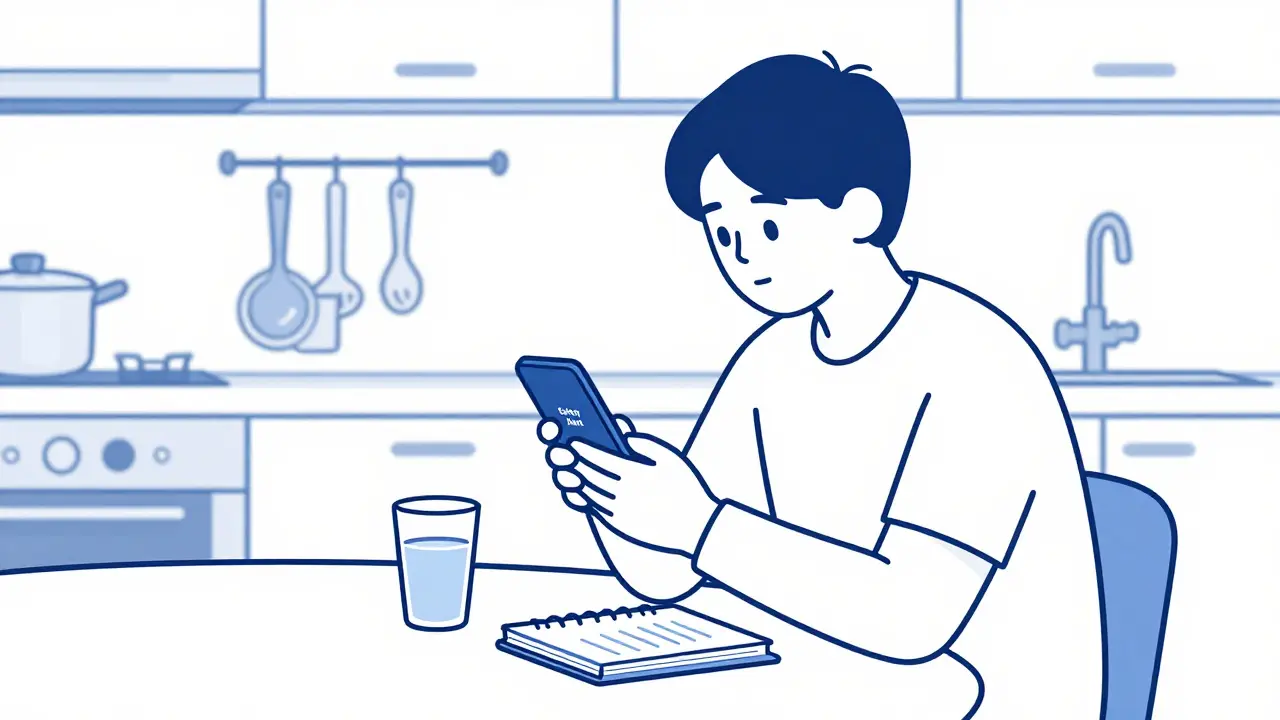
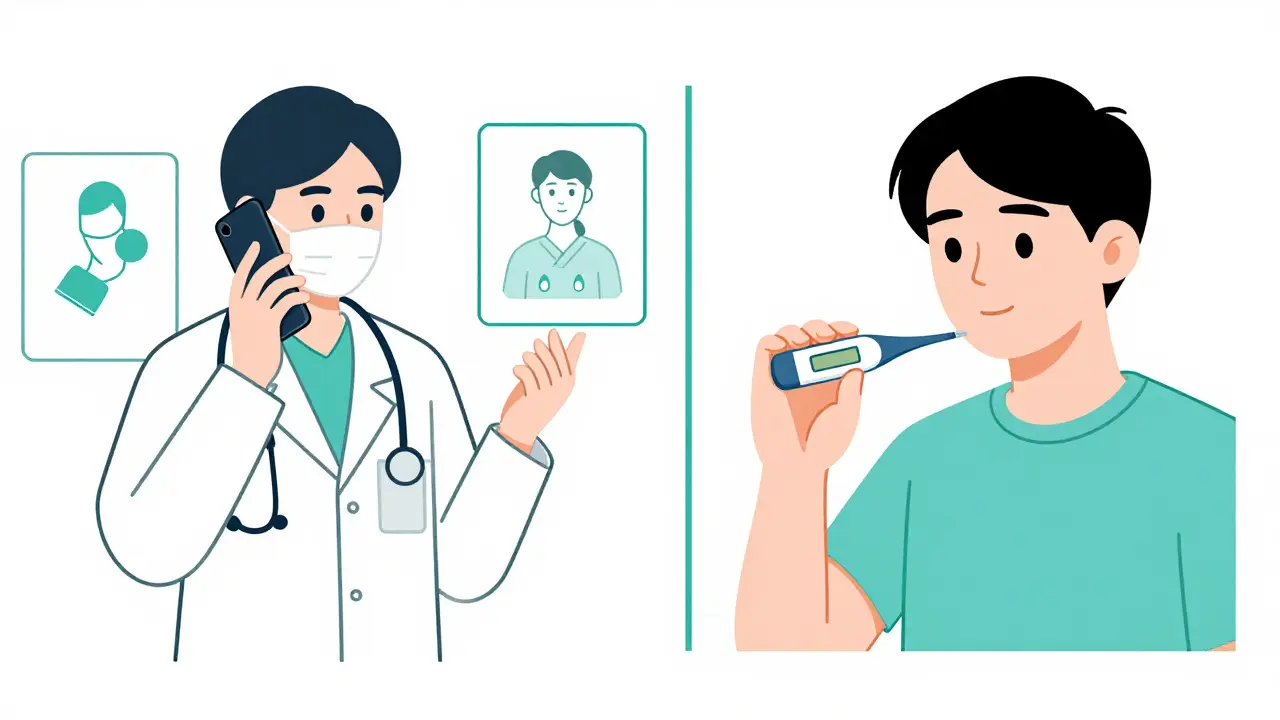
- Active vs. Passive: Active monitoring involves daily check-ins from health providers; passive monitoring means you track your own symptoms and report only when something changes.
- Be Specific: Don't just look for "feeling bad." Focus on the exact symptoms listed in the safety communication.
- Use Tools: Digital checklists and apps can reduce missed symptoms by up to 42% compared to memory-based tracking.
- Know the Escalation: Have a clear plan for who to call and where to go the moment a symptom appears.
Understanding Your Monitoring Level
Not every safety alert requires the same level of vigilance. Health organizations, including the CDC, typically categorize risks to determine how closely a person needs to be watched. If you are in a high-risk category-perhaps due to a direct exposure or a high-severity device failure-you will likely undergo active monitoring. This means the healthcare system takes the lead. You can expect daily contacts via text, phone, or app. This approach is highly effective; in workplace settings, it has been shown to reduce transmission events by 37% because it catches issues before the person even realizes they are symptomatic. For those with low-risk exposure, passive monitoring is the standard. Here, the responsibility shifts to you. You keep an eye on your health and only reach out if you notice a "positive indicator" (a symptom mentioned in the alert). While this is less intrusive, it requires more self-discipline to ensure you don't overlook subtle changes in your health.What Exactly Should You Be Tracking?
It is easy to fall into the trap of "scanning" your body for any weird feeling, which often leads to unnecessary anxiety. To avoid this, focus on the specific parameters outlined in the safety communication. Effective monitoring usually covers four main areas:- Vital Signs: Depending on the alert, this might include tracking your temperature, blood pressure, or heart rate.
- Specific Adverse Events: These are the "red flags" mentioned in the notice. For example, if a drug safety alert mentions "unexplained bruising," that is your primary target, not a general headache.
- Frequency: Decide if you are checking once a day or once a week. Consistency is more important than intensity.
- Baseline Data: Know what "normal" looks like for you. If you always have a slightly elevated heart rate, you won't panic when you see it on a monitor.
| Feature | Active Monitoring | Passive (Self) Monitoring |
|---|---|---|
| Initiator | Health Institution / Provider | The Individual / Patient |
| Frequency | Daily or scheduled check-ins | As needed / Upon symptom onset |
| Best For | High-risk exposure, severe alerts | Low-risk, general surveillance |
| Main Benefit | Reduced missed symptoms/errors | Less "alert fatigue" and intrusion |
Tools for Accurate Tracking
How you record your symptoms matters. Many people rely on memory, but humans are notoriously bad at remembering exactly when a symptom started or how severe it was three days ago. Digital tools have changed the game. Electronic Health Records (EHR) integrated tools can reduce diagnostic errors by 31% because they give clinicians real-time data. If your provider offers a portal or a specific tracking app, use it. Even a simple standardized checklist is better than a blank notebook; studies show that checklists reduce miscommunication errors by 53%. However, be mindful of privacy. Not all apps are created equal. Some lack HIPAA compliance, meaning your health data might not be as secure as it would be in a doctor's office. Always check the privacy settings before uploading sensitive health information.Dealing with "Alert Fatigue"
There is a downside to high-intensity monitoring: alert fatigue. This happens when you get so many notifications-texts, emails, and app pings-that you start ignoring them. This is a real danger in drug safety, as a critical warning can be lost in a sea of "How are you feeling today?" messages. To fight this, aim for a balance. Research suggests that about 4 to 5 check-ins a day are optimal for high-risk situations. If you are receiving 8 or more, you are more likely to experience burnout and start skipping entries. If you feel overwhelmed, talk to your care team about streamlining the communication. Use a framework like SBAR (Situation, Background, Assessment, Recommendation) when reporting to your doctor. Instead of saying "I feel weird," say: "I've had a mild fever for two days (Situation), I'm monitoring after the X-drug alert (Background), it's not responding to Tylenol (Assessment), and I want to know if I should come in for a test (Recommendation)."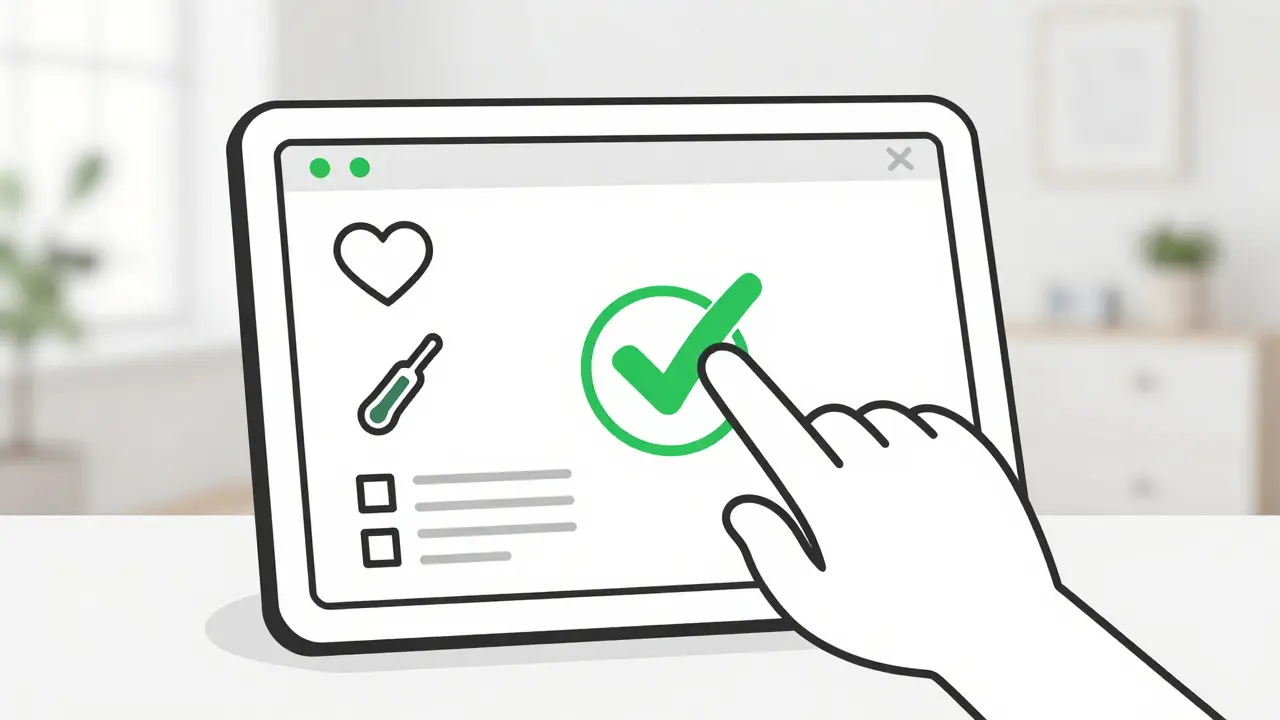
The Path to Recovery and Return
Monitoring isn't permanent. The goal is to move from a state of surveillance back to your normal routine. This transition should be based on clear criteria, not a gut feeling. For those monitoring a workplace exposure or a medical device issue, the FDA and OSHA often require specific "return-to-work" or "clearance" benchmarks. This might involve a negative test result, a specific number of symptom-free days, or a physical examination by a licensed professional. Keep a dedicated folder or digital file of all your monitoring logs. If you are dealing with an occupational exposure, some regulations require records to be kept for up to 30 years. While that seems extreme, having a documented history of your symptoms can be a lifesaver if a long-term health issue emerges years down the road.What should I do if I find a symptom listed in the safety communication?
Immediately follow the escalation protocol provided in the alert. This usually involves contacting your prescribing physician or the manufacturer's safety hotline. Do not wait for your next scheduled check-in; report the symptom as soon as it is identified to ensure early intervention.
Is passive monitoring safe for high-risk alerts?
Generally, no. High-risk alerts typically require active monitoring because the risk of missing a subtle but critical symptom is too high. Passive monitoring relies on the user's ability to recognize a symptom, which can be delayed in severe cases.
How do I know if the app I'm using for tracking is secure?
Look for mentions of HIPAA compliance in the app's privacy policy or settings. If the app is provided directly by your healthcare provider through an EHR system like Epic or Cerner, it is generally much more secure than a third-party wellness app downloaded from a public store.
How long do I need to monitor my symptoms?
The duration varies by the type of risk. For infectious diseases, it's usually the length of the incubation period. For drug or device safety, it may be until a specific clinical milestone is met or for a period defined by the FDA's post-market surveillance guidelines.
What is "presenteeism" and why does monitoring prevent it?
Presenteeism is when a person continues to work while they are sick. Structured monitoring prevents this by identifying symptoms early, allowing the individual to isolate or seek treatment before they are well enough to go to work but sick enough to spread a pathogen or suffer a medical crisis.
Next Steps and Troubleshooting
If you're struggling to keep up with your monitoring, try these adjustments:- The "Anchor" Method: Tie your symptom check to an existing habit, like brushing your teeth or having your morning coffee. This prevents missed entries.
- Set a "Safe Word" with Family: If you are monitoring for neurological symptoms (like confusion or dizziness), ask a partner or roommate to help. They may notice changes in your behavior that you can't see yourself.
- Digital Backups: If you use a paper log, take a photo of the page once a week and upload it to a cloud drive. This ensures your data is safe if the notebook is lost.
- Clarify the "Why": If you find yourself skipping checks, ask your doctor exactly why that specific symptom matters. Understanding the risk makes the tedious task of monitoring feel more purposeful.

15 Comments
Carol Yang
April 23 2026
This is actually super helpful for anyone who gets anxious with those scary health alerts! Just stay calm and follow the steps. :)
Daniel Runion
April 24 2026
Oh, please!!! As if a "digital checklist" is some kind of revolutionary breakthrough in human history!!! I've been using a basic calendar for decades and it works just fine!!! Absolutely ridiculous to pretend this is some kind of scientific miracle!!!
Vijay AGarwal
April 24 2026
The SBAR framework is an absolute game-changer in clinical communication! It transforms a vague, anxious conversation into a precise, actionable medical report that saves precious time and lives! People really underestimate how much a structured approach prevents diagnostic errors in high-stress situations!
Brittney Prince
April 25 2026
Sure, "track your symptoms" on an app. Just give your most private health data to some company that'll sell it to insurance firms before you've even finished the check-in. Typical.
Nila Sawyer
April 26 2026
I just love how this guide breaks everything down so clearly for us!! 🌟 It's so important to remember that we're not alone in this and that having a support system like a partner or roommate to help with those neurological checks is such a beautiful way to care for each other! Keep your spirits high everyone, we can totally handle this with a positive mindset and a little bit of organization! ✨💖
Nikita Shabanov
April 27 2026
Passive monitoring is appropriate for low-risk scenarios, but the discipline required is often underestimated. It's essential to maintain a strict baseline of what constitutes "normal" for your specific physiology to avoid false positives.
Ben Jima
April 29 2026
Using the "Anchor" method is a brilliant piece of behavioral psychology applied to healthcare. By tying a new requirement to an existing habit, you effectively remove the cognitive load of remembering to monitor, which significantly increases compliance rates.
Sharyl Foster
April 30 2026
The part about 4-5 check-ins being "optimal" is just a guess. Everyone's stress threshold is different, and forcing a number on people is just going to cause more alert fatigue if they're already overwhelmed.
James Harrison
April 30 2026
It's interesting how we've shifted the burden of surveillance onto the individual. There's a certain tension between the safety of the collective and the psychological weight of constant self-monitoring.
William Zhigaylo
May 2 2026
The utter incompetence of the healthcare system is highlighted by the fact that patients must be taught how to communicate using a framework like SBAR just to be heard. It is an absolute travesty that the burden of clarity falls upon the suffering patient rather than the trained professional.
Saptatshi Biswas
May 3 2026
The insistence on using EHR integrated tools is a transparent attempt to centralize data control! We are seeing a global push toward total surveillance under the guise of "patient safety" and it is frankly disgusting how blindly people accept these digital shackles in the name of health!
Sarah Watters
May 4 2026
The 30-year record requirement is the most honest part of this. They know they can't fix the problem now, so they just want a paper trail to cover their backs when the lawsuits start hitting in two decades.
Michael Deane
May 5 2026
I don't care about some fancy app from overseas or some corporate bureaucracy, we need to make sure our own people are taking care of the basics first and not just relying on a screen to tell them if they're sick when common sense used to be enough for any red-blooded citizen to figure it out!
Nicole Antunes
May 6 2026
It is very prudent to check for HIPAA compliance before utilizing any third-party application. Protecting one's sensitive health information is paramount in the digital age. (^_^)
sachin singh
May 7 2026
The distinction between active and passive monitoring is very clear and provides a helpful framework for patient expectations.