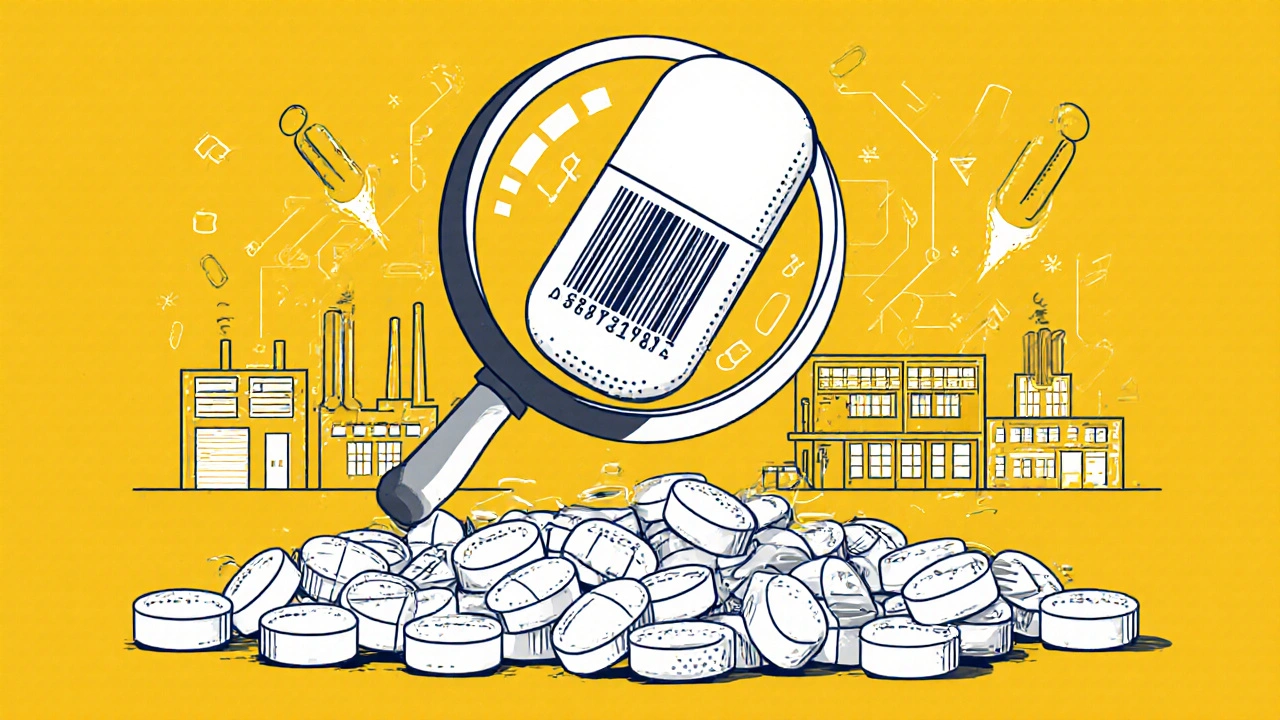
Lot numbers and serial codes are critical tools in stopping counterfeit drugs. Learn how track-and-trace systems work, why they save lives, and what you can do to protect yourself from fake medication.
Lot Numbers: What They Are and Why They Matter for Your Medications
When you pick up a prescription, the tiny code printed on the bottle or box isn’t just random text—it’s a lot number, a unique identifier assigned to a specific batch of medication during manufacturing. Also known as a batch number, it’s your medicine’s fingerprint. If something goes wrong—like contamination, mislabeling, or a manufacturing flaw—this number lets regulators and pharmacies quickly pull only the affected pills, not every version of the drug in existence. Without lot numbers, a single bad batch could put thousands at risk.
Lot numbers are tied to expiration dates, the date after which a medication may lose potency or become unsafe. Heat, humidity, and improper storage can break down drugs long before that date, and lot numbers help trace which bottles were made under the same conditions. That’s why the FDA and Health Canada require every pill, capsule, and vial to carry one. If you’ve ever seen a recall notice for a specific brand of blood pressure pill or diabetes medicine, that’s the lot number at work. It’s not about the drug name—it’s about the exact batch. Even something as simple as a misprinted label or a faulty seal can trigger a recall, and only the lot number tells you if your bottle is part of the problem.
Knowing how to find and use your lot number can protect you. Look on the bottle, the box, or the blister pack—it’s usually near the expiration date, sometimes labeled "Lot," "Batch," or "Lot No." Write it down with the date you filled the prescription. If your doctor says your medication suddenly isn’t working, or if you notice weird discoloration or smell, check the lot number. You can call your pharmacy or the manufacturer directly. They’ll tell you if it’s part of a known issue. You don’t need to be a pharmacist to use this info—you just need to know it exists.
Lot numbers also connect to pharmaceutical recalls, official actions taken when a drug is found to be unsafe or ineffective. In 2022, a batch of generic metformin was pulled after trace amounts of a cancer-causing chemical were found. Only people who had that specific lot number needed to act. Everyone else could keep taking their pills safely. That’s the power of this system. It’s not perfect, but it’s the best tool we have to stop problems before they spread.
And it’s not just about recalls. Lot numbers help pharmacies manage inventory, track returns, and even investigate side effect reports. If ten people report the same weird reaction to a drug, regulators look at the lot numbers to see if it’s a coincidence—or a pattern. That’s how new safety warnings get added to labels. Your lot number is part of a bigger safety net, one you don’t see but rely on every time you take a pill.
Below, you’ll find real-world guides that show how lot numbers tie into medication safety, storage, recalls, and even digital tracking tools like QR codes on prescriptions. Whether you’re managing chronic illness, caring for an elderly parent, or just trying to avoid a bad batch of medicine, these posts give you the practical steps to stay safe.