
Antidepressant Discontinuation Timeline Calculator
Calculate Your Timeline
Estimated Results
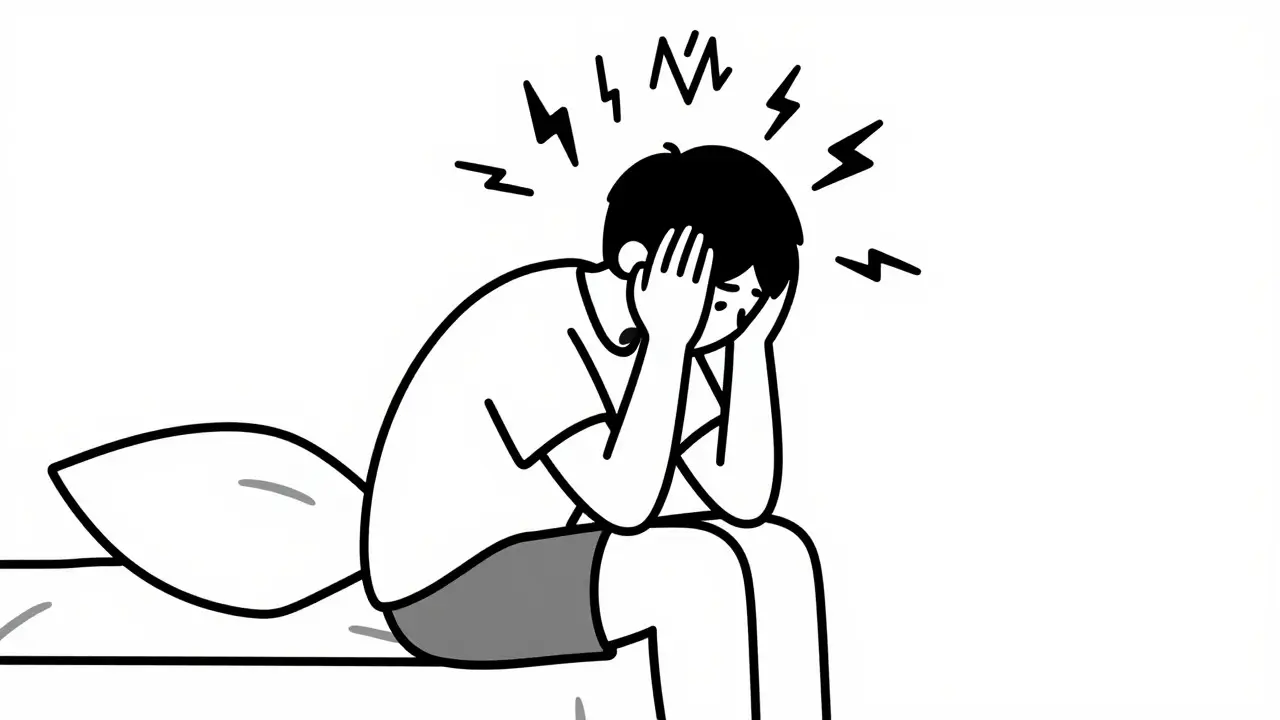
Stopping an antidepressant isn't as simple as putting the last pill in the trash. For many patients, the moment they reduce their dose or stop taking SSRIs (selective serotonin reuptake inhibitors) or SNRIs (serotonin-norepinephrine reuptake inhibitors), a wave of physical and emotional symptoms crashes down. This isn't necessarily a relapse of depression; it’s often Antidepressant Discontinuation Syndrome (ADS), a recognized medical condition that affects up to 80% of people who stop these medications abruptly.
If you are planning to come off your medication, understanding the timeline is critical. The speed at which symptoms appear depends entirely on the drug's half-life-how long it stays in your body. Some drugs leave you feeling fine for days, while others trigger 'brain zaps' within 24 hours. Knowing what to expect can save you from panic, misdiagnosis, and unnecessary suffering.
How Half-Life Dictates Your Withdrawal Timeline
The single most important factor in predicting when withdrawal symptoms will start is the medication's half-life. Symptoms typically begin once 90% or more of the drug has cleared your system. This creates two distinct groups of antidepressants with very different discontinuation timelines.
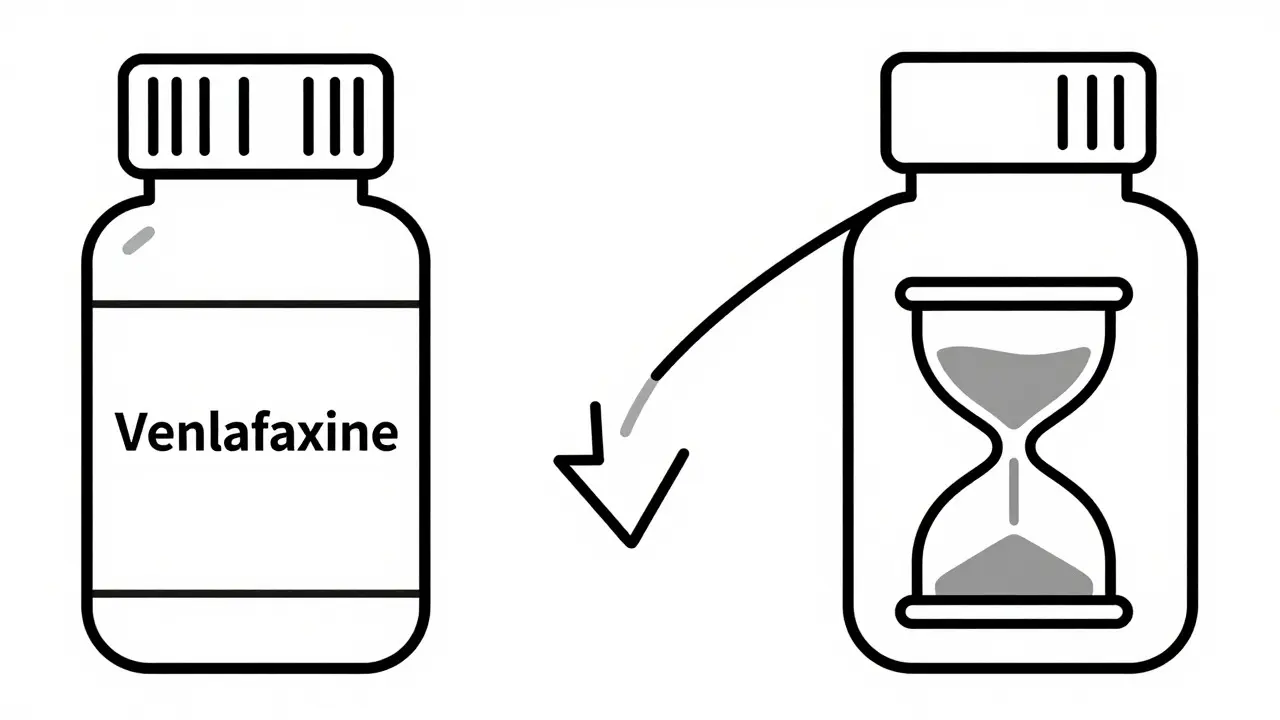
Short-half-life medications hit fast. Venlafaxine (Effexor), an SNRI with a mere 5-hour half-life, often triggers symptoms within 24 to 48 hours of a missed dose or reduction. Similarly, Paroxetine (Paxil) and Sertraline (Zoloft) have half-lives around 24-26 hours, meaning symptoms usually surface within 1 to 3 days. These drugs require careful monitoring because the window between taking a dose and feeling the effects of withdrawal is narrow.
On the other end of the spectrum is Fluoxetine (Prozac). With a half-life of 4 to 6 days, Fluoxetine acts as its own taper. It lingers in the body for weeks, delaying symptom onset significantly. While this makes initial discontinuation smoother, it requires a longer observation period-up to three months-to catch late-emerging withdrawal symptoms that might otherwise be mistaken for a return of anxiety or depression.
| Medication | Type | Half-Life | Typical Symptom Onset |
|---|---|---|---|
| Venlafaxine (Effexor) | SNRI | 5 hours | 24-48 hours |
| Duloxetine (Cymbalta) | SNRI | 12 hours | 1-3 days |
| Paroxetine (Paxil) | SSRI | 24 hours | 1-3 days |
| Sertraline (Zoloft) | SSRI | 26 hours | 1-3 days |
| Escitalopram (Lexapro) | SSRI | 27-32 hours | 2-4 days |
| Citalopram (Celexa) | SSRI | 36 hours | 3-5 days |
| Fluoxetine (Prozac) | SSRI | 4-6 days | Weeks (delayed) |
The Conflict Between Clinical Guidelines and Patient Reality
Here is where things get complicated. Official clinical guidelines often recommend short tapers of just 2 to 4 weeks. However, patient data tells a drastically different story. A 2023 investigation published in the British Medical Journal found that 68% of discontinuation attempts resulted in relapse or severe withdrawal when tapers lasted less than 8 weeks. In contrast, only 22% failed when tapers exceeded 20 weeks.
This gap exists because standard guidelines were written before extensive real-world data on long-term use was available. Many doctors still follow older protocols, unaware that modern evidence supports much slower reductions. The British Association of Psychopharmacology admitted in 2015 that there is a "lack of evidence" for optimal taper rates, yet most general practitioners stick to rapid schedules. This mismatch leaves thousands of patients struggling with symptoms they don’t understand.
Hyperbolic Tapering: A Safer Approach
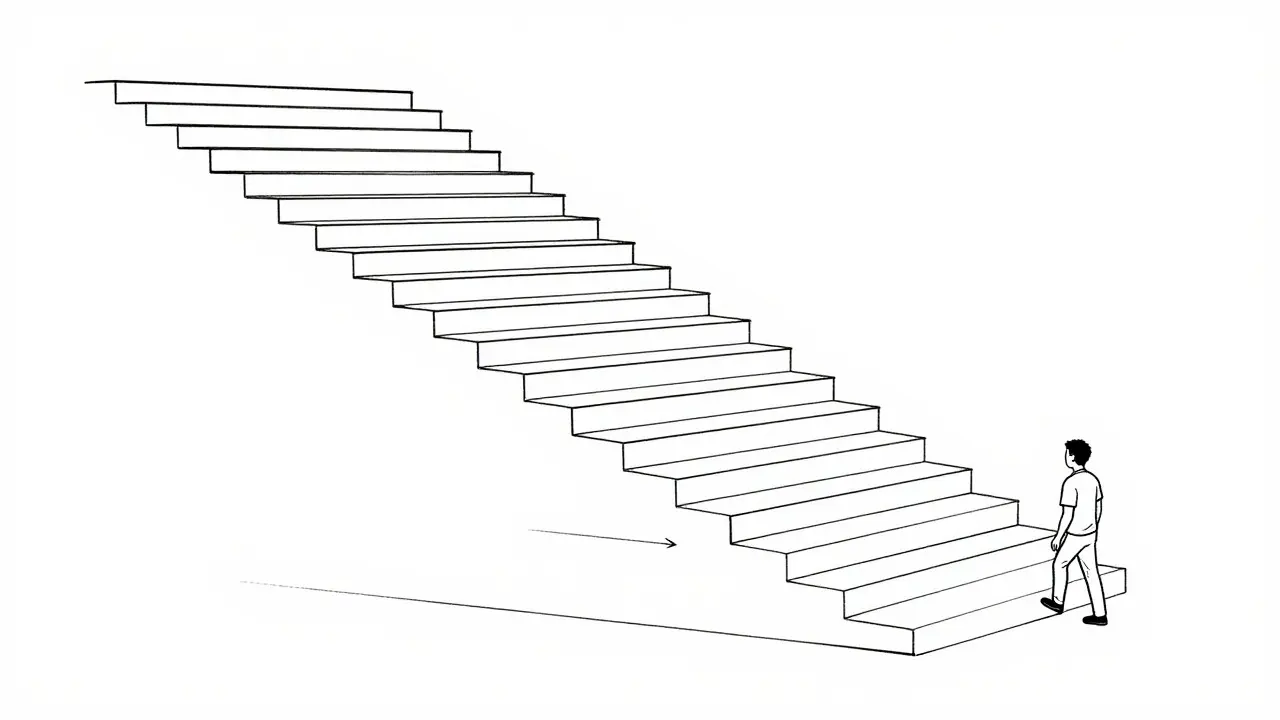
To bridge this gap, experts like Dr. Mark Horowitz advocate for hyperbolic tapering. Unlike linear tapering (reducing by fixed amounts, e.g., 10mg every week), hyperbolic tapering reduces the dose by a percentage of the *remaining* occupancy of serotonin transporters. This means larger cuts at the beginning and microscopic cuts at the end.
Why does this matter? Because your brain adapts non-linearly to serotonin levels. A drop from 100mg to 90mg might feel manageable, but a drop from 10mg to 0mg is a massive physiological shock. Hyperbolic schedules often span 6 to 12 months, allowing the brain to adjust gradually. The "10% Rule" suggests reducing serotonin transporter occupancy by no more than 10% per step, waiting 4 to 8 weeks between reductions to monitor for delayed symptoms.
Common Symptoms and When to Worry
Knowing what normal withdrawal looks like helps distinguish it from a mental health crisis. Common symptoms include:
- Brain Zaps: Electric shock-like sensations in the head, reported by over 60% of patients stopping Venlafaxine.
- Dizziness and Vertigo: Particularly common with short-half-life drugs.
- Nausea and Gastrointestinal Distress: Often peaks within the first few days of reduction.
- Irritability and Anxiety: Emotional volatility that can mimic original depressive symptoms.
- Insomnia or Vivid Dreams: Sleep disturbances are among the most persistent complaints.
Most symptoms resolve within 1 to 2 weeks if the dose is stabilized. However, 10-20% of patients experience protracted symptoms lasting months. If symptoms are severe, the standard advice is to restart at the previous effective dose and taper more slowly. Severe warning signs requiring immediate medical attention include suicidal ideation (occurring in about 4% of cases) and uncontrollable agitation.
Practical Tips for a Smoother Exit
If you are preparing to discontinue, consider these actionable steps:
- Track Your Symptoms: Keep a daily journal. Note mood, sleep quality, and physical sensations. This data helps your doctor differentiate between withdrawal and relapse.
- Avoid Generic Switches Mid-Taper: Different manufacturers may have slight variations in bioavailability. Switching generics during a sensitive taper can mimic abrupt discontinuation.
- Consider Liquid Formulations: Tablets make micro-tapering difficult. Compounded liquid versions allow for reductions as small as 1-2.5%, which can significantly reduce severity.
- Don't Rush: If you feel worse after a cut, hold the dose steady until stable. There is no prize for finishing quickly.
- Consult an Expert: Seek out providers familiar with gradual deprescribing. General practitioners may not be updated on the latest 2023-2024 guidelines regarding long-term tapers.
Frequently Asked Questions
How long do SSRI withdrawal symptoms last?
For most patients, acute withdrawal symptoms resolve within 1 to 2 weeks after stabilizing the dose. However, 10-20% of individuals experience protracted symptoms that can last for several months. Short-half-life drugs like Paroxetine and Venlafaxine tend to cause faster-onset but potentially shorter-lived acute phases compared to Fluoxetine, which may have delayed but prolonged effects.
What is the safest way to stop taking SSRIs?
The safest method is a slow, symptom-guided taper rather than a fixed schedule. Current evidence supports tapers lasting 6 to 12 months or longer, using hyperbolic reductions (smaller cuts as the dose gets lower). Working with a healthcare provider experienced in deprescribing is crucial to adjust the pace based on your specific reactions.
Can switching from brand name to generic cause withdrawal?
Yes. While generics are chemically equivalent, slight differences in bioavailability or inactive ingredients can affect how the drug is absorbed. During a sensitive taper, even a 5-10% difference in blood concentration can trigger discontinuation symptoms. It is generally recommended to stay with one manufacturer throughout the tapering process.
Why does Venlafaxine cause such bad withdrawal?
Venlafaxine has a very short half-life of approximately 5 hours. This means it clears the body rapidly, leading to a sudden drop in serotonin and norepinephrine levels. This rapid decline shocks the nervous system, causing intense symptoms like dizziness, nausea, and "brain zaps" within 24-48 hours of a dose change.
Is it better to switch to Fluoxetine to stop antidepressants?
Switching to Fluoxetine (cross-tapering) is a common strategy because of its long half-life, which provides a natural buffer against withdrawal symptoms. However, this approach requires careful management by a psychiatrist, as Fluoxetine interacts with many other medications and can take weeks to fully clear the system, complicating future treatment if needed.
