
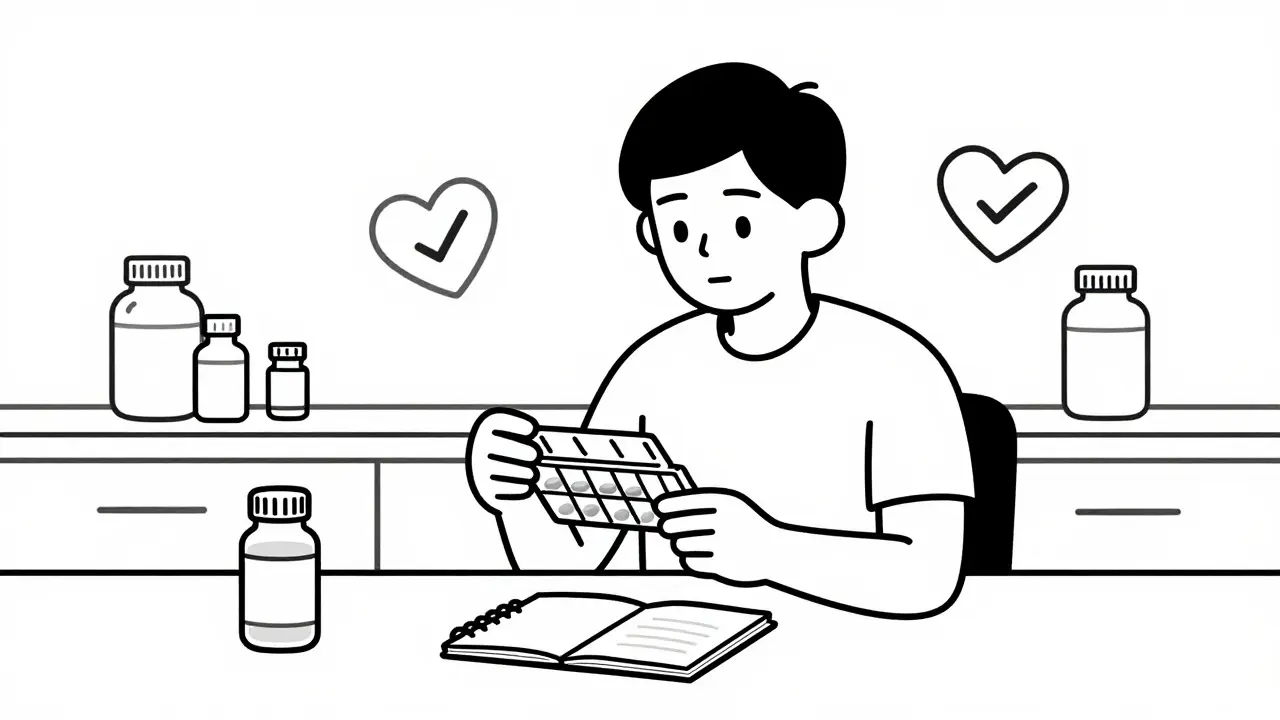
Surviving a heart attack is a turning point. You are alive, but the rules of your daily life have changed. The next few months are critical. It is not just about healing the damaged muscle; it is about rewiring your habits to prevent a second event. Many people feel overwhelmed by the sheer amount of advice coming from doctors, nurses, and family members. This guide cuts through the noise. We will look at the three pillars of recovery: the medicines you must take, the food you should eat, and how much you can move. These elements work together. Ignore one, and the others lose their power.
The Critical Role of Medication Adherence
Your healthcare team will start you on new medicines immediately after the procedure or hospital stay. It is easy to feel like a burden when you leave the hospital with a bag full of pills. However, these drugs are your first line of defense. They do different jobs. Some keep blood vessels open. Others lower cholesterol to prevent plaque buildup. Still, others manage blood pressure to reduce strain on the heart. The American Heart Association notes that consistent use of these agents significantly reduces the risk of recurrent ventricular arrhythmias and ongoing ischemia. In simple terms, they keep the electrical and physical systems of your heart stable.
You might wonder if you can stop taking them once you feel better. The short answer is no. A heart attack is a chronic condition management issue, not a one-time cure. The NHS recommends creating a personal medication list that you carry with you at all times. Include the name, dosage, and purpose of each drug. Why? Because if you visit an emergency room or see a different specialist, they need this information instantly. Pharmacists are also key partners here. Do not skip your pharmacy visits. Ask them to explain what each pill does. If you experience side effects, talk to them before stopping the medication. Sudden cessation can sometimes be more dangerous than the side effect itself.
Building a Heart-Healthy Plate
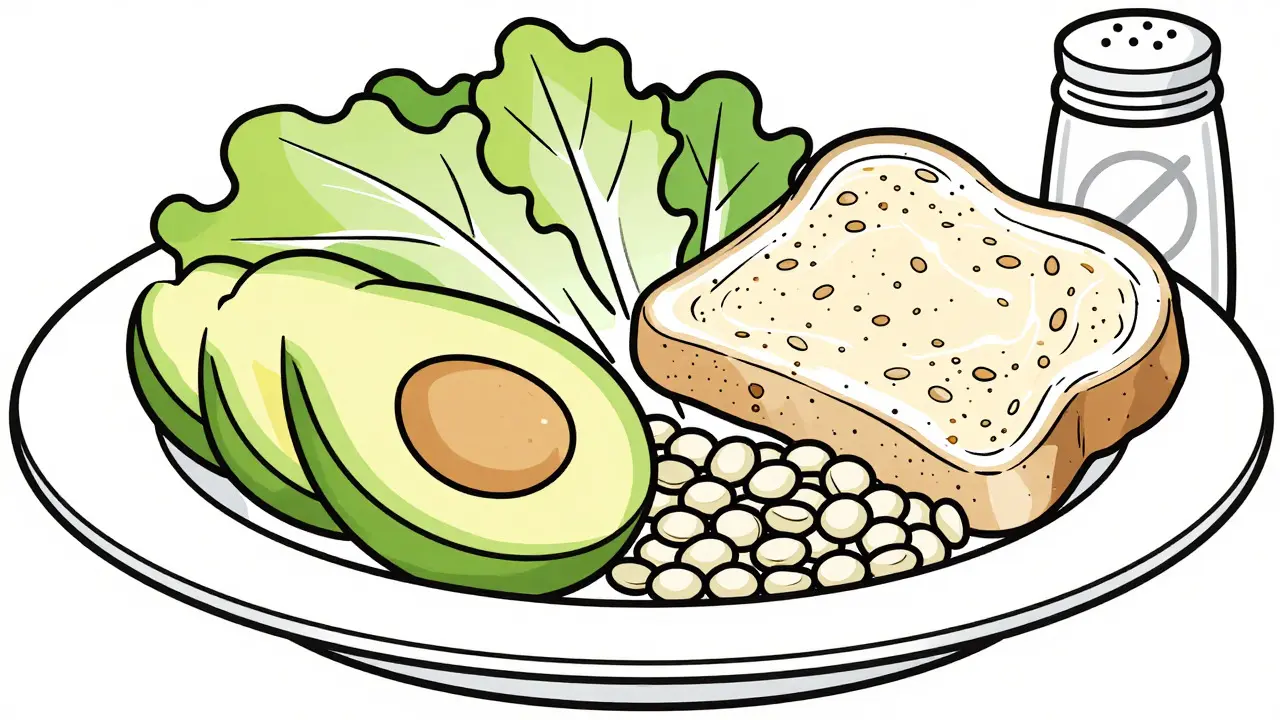
Diet is where many patients struggle. It is not about starving yourself or giving up all joy in eating. It is about shifting the balance. The Cleveland Clinic identifies following a heart-healthy diet as essential for lowering future risk. Think of your diet as fuel for repair. After a heart attack, your body needs nutrients to heal tissue and maintain energy without spiking inflammation.
- Reduce Sodium: High salt intake raises blood pressure. Aim for less than 2,300 mg per day, or lower if your doctor advises. Check labels on processed foods like canned soups and deli meats.
- Choose Healthy Fats: Swap saturated fats (butter, fatty meats) for unsaturated fats (olive oil, avocados, nuts). These help manage cholesterol levels.
- Increase Fiber: Vegetables, fruits, and whole grains help remove cholesterol from the body. Oats, beans, and lentils are excellent sources.
- Limit Sugar: Excess sugar contributes to weight gain and inflammation. Be careful with hidden sugars in sauces and beverages.
Registered dietitians within cardiac rehabilitation programs create personalized plans. They consider your cultural preferences and metabolic needs. For example, if you love pasta, you do not have to give it up. You just switch to whole wheat versions and load up on vegetable toppings rather than heavy cream sauces. Small, sustainable changes beat drastic, temporary diets every time.
Gradual Activity and Cardiac Rehabilitation
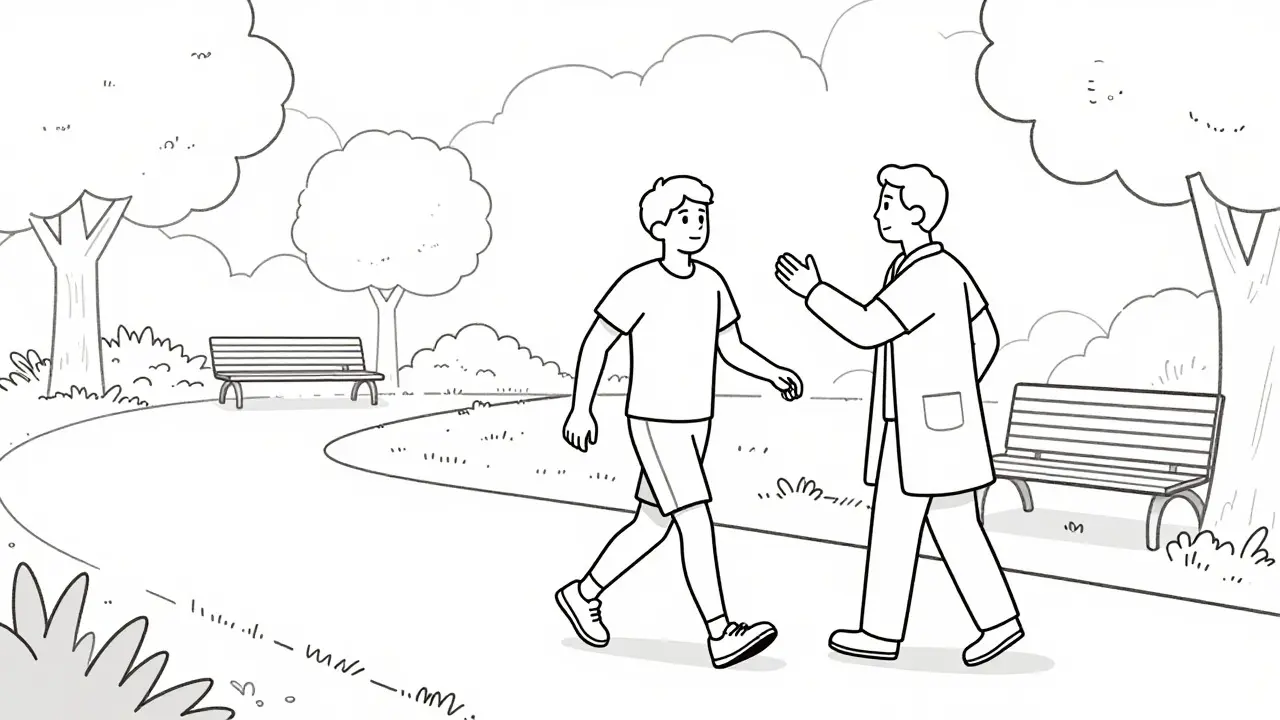
Movement is scary after a heart attack. You worry about tearing something or triggering another event. This fear is normal. But rest alone is not enough. You need to rebuild strength. The NHS emphasizes that recovery takes several months and warns against rushing. The Cleveland Clinic suggests a timeline of two weeks to three months for initial recovery, but long-term fitness takes longer.
This is where cardiac rehabilitation comes in. It is a medically supervised program designed to restore physical fitness safely. It is not just a gym session. It includes education, stress management, and psychological support. The program tailors exercises to your age, fitness level, and specific medical issues. Most exercises are aerobic, such as walking, cycling, or swimming. These activities strengthen the heart muscle, improve circulation, and lower blood pressure. You start slow. Maybe just walking up and down stairs a few times a day. Then you increase the duration and intensity gradually over weeks. The goal is to find a balance between resting to heal and being active to recover.
Managing the Mental Side of Recovery
We often focus on the physical, but the mental toll is real. Anxiety and low mood are common after a major health scare. The NHS explicitly includes psychological support in cardiac rehab for this reason. You may feel anxious about resuming normal activities. You might worry that any chest tightness means another attack is coming. Talking to a professional helps distinguish between normal post-procedure discomfort and warning signs. Support groups can also be valuable. Connecting with others who have been through the same journey provides perspective and practical tips that doctors might not mention. Remember, mental health is part of physical health. Stress raises cortisol levels, which can negatively impact blood pressure and heart rate. Managing stress is a medical necessity, not a luxury.
Long-Term Monitoring and Follow-Up
Recovery does not end when you leave the hospital. It transitions into a phase of home-based care and regular monitoring. You will likely have a follow-up appointment four to six weeks after discharge. Your provider will check your progress, review your medications, and adjust your plan if needed. Keep these appointments. They are your safety net. At home, monitor your vital signs if instructed. Keep a log of your blood pressure and heart rate. Bring this log to your appointments. Data helps your doctor make precise adjustments. Also, know your warning signs. While some fatigue is normal in the first week, sudden severe pain, shortness of breath at rest, or dizziness requires immediate attention. Being proactive saves lives.
| Phase | Timeline | Primary Focus | Key Actions |
|---|---|---|---|
| Hospitalization | Days 1-7 | Stabilization and Assessment | Start medications, initial diagnostics, meet care team |
| Early Home Recovery | Weeks 2-6 | Rest and Light Activity | Short walks, light household tasks, strict medication adherence |
| Cardiac Rehab | Weeks 4-12 | Supervised Exercise and Education | Aerobic training, diet planning, stress management |
| Long-Term Maintenance | Months 3+ | Lifestyle Integration | Regular exercise routine, ongoing diet changes, annual check-ups |
Frequently Asked Questions
How long does it take to fully recover from a heart attack?
Initial physical recovery typically takes two weeks to three months, according to the Cleveland Clinic. However, full restoration of pre-event fitness levels and long-term habit integration can take six months or more. The pace depends on your age, the extent of damage, and your commitment to cardiac rehabilitation.
Can I go back to work after a heart attack?
Most people return to work, but the timing varies. Desk jobs may allow a return in four to six weeks. Physical labor jobs may require three to six months. Your cardiologist will provide a clearance letter based on your specific test results and functional capacity during rehab.
What are the most important medications to take after a heart attack?
Common classes include antiplatelet agents (like aspirin), statins for cholesterol, beta-blockers to reduce heart workload, and ACE inhibitors for blood pressure. The exact combination depends on your specific condition. Always consult your pharmacist or doctor to understand the role of each prescription.
Is it safe to exercise at home without supervision?
It is generally safe once you have completed the initial phase of cardiac rehabilitation and received clearance from your doctor. Start with low-intensity activities like walking. Monitor your heart rate and stop if you feel dizzy, excessively short of breath, or experience chest pain. Supervised rehab is preferred for the first few months to ensure proper technique and safety.
How does smoking affect heart attack recovery?
Smoking significantly increases the risk of a second heart attack. It damages blood vessels and lowers oxygen levels in the blood. Quitting smoking is one of the most effective steps you can take. Nicotine replacement therapy or counseling can help manage withdrawal symptoms while your heart heals.
