
Drug-Induced Arrhythmia Risk Checker
This tool helps you evaluate potential risks associated with common medications. It is not a medical diagnosis. Always consult your healthcare provider before changing medications.
1. Select Your Medications
Select all classes of medications you are currently taking.
2. Personal Risk Factors
Check any that apply to you.
Your Risk Assessment
LowWhy this score?
Recommended Actions
Disclaimer: This tool provides general educational information based on current medical literature regarding drug-induced arrhythmias. It does not replace professional medical advice, diagnosis, or treatment. If you experience chest pain, shortness of breath, or fainting, seek emergency care immediately.
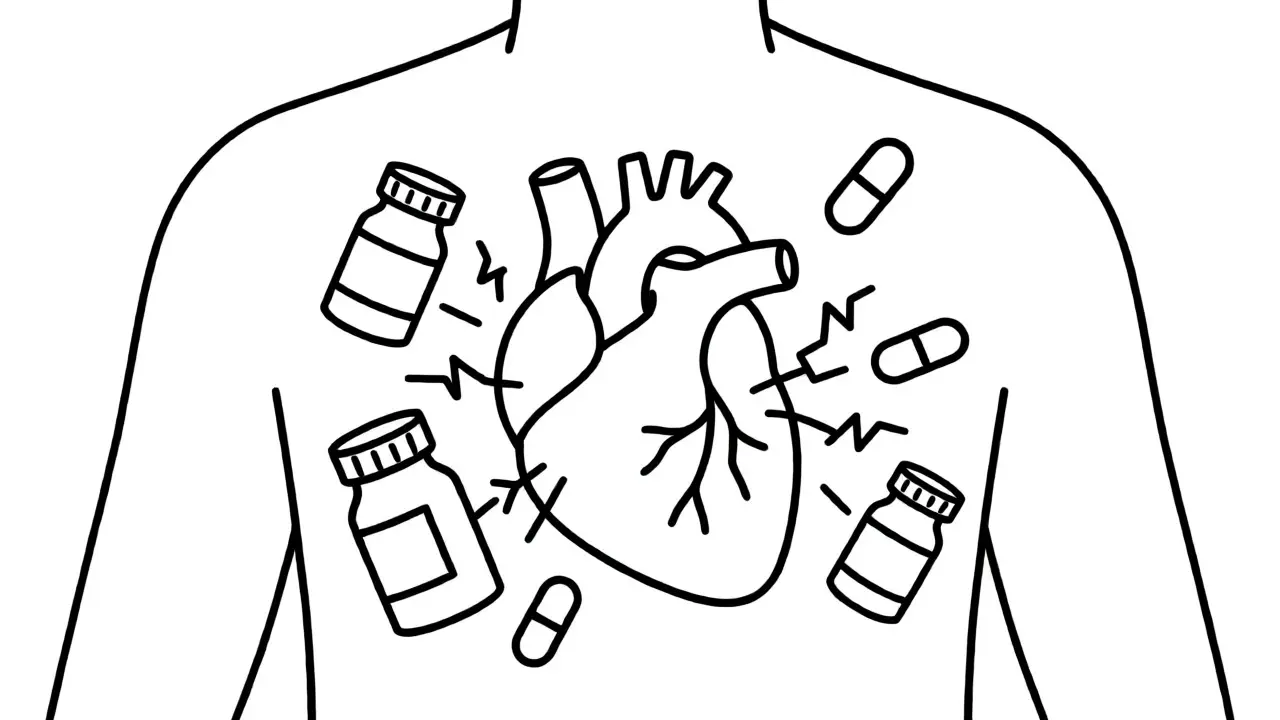
You take your morning pills to stay healthy, but what if one of them is secretly messing with your heartbeat? It sounds counterintuitive, yet over 400 common medications-from antibiotics to antidepressants-can trigger or worsen heart arrhythmias. This isn't rare; it accounts for a significant chunk of hospital admissions. If you've felt your chest fluttering since starting a new prescription, this guide breaks down exactly which drugs are the usual suspects, what warning signs to watch for, and how to manage the risk without stopping your treatment abruptly.
Why Your Meds Might Be Racing Your Heart
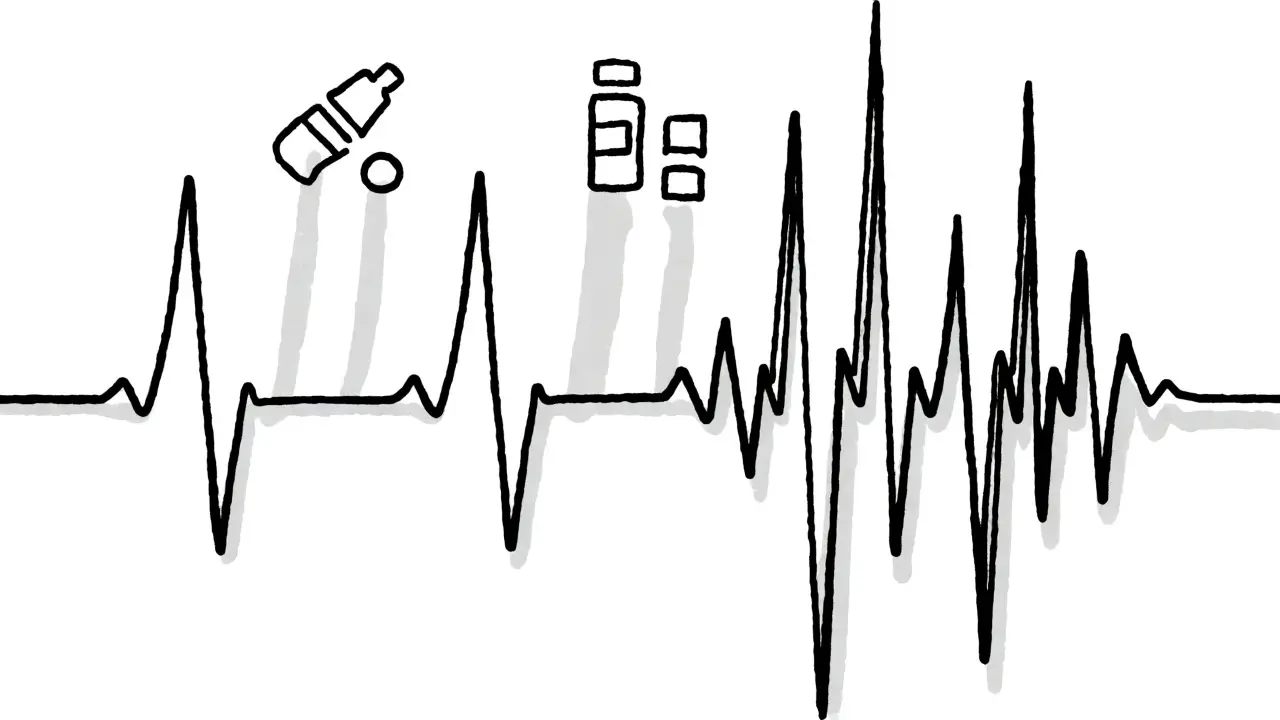
The connection between pills and pulse issues dates back to the 1960s when doctors noticed that quinidine, a drug meant to fix irregular heartbeats, was actually causing dangerous ones. Today, we know that drug-induced arrhythmias occur through three main pathways: disrupting the electrical channels in your heart cells, throwing off your body's chemical balance (like potassium levels), or stressing the nervous system that controls your heart rate. The most notorious mechanism is QT interval prolongation, where the time it takes for your heart muscle to recharge after beating gets too long. This delay creates a perfect storm for life-threatening rhythms like torsades de pointes.
Your genetics play a huge role here, too. About 15% of people of African ancestry carry a specific genetic variant (S1103Y) that makes them more sensitive to these electrical disruptions. Similarly, 12% of those of East Asian ancestry have a different variant (R1193Q) that raises susceptibility. If you fall into these groups, standard doses might hit harder than they do for others. It’s not just about the drug itself; it’s about how your unique biology processes it.
The Usual Suspects: High-Risk Drug Classes
Not all medications pose the same threat. While any pill can theoretically cause an issue, certain classes are well-documented culprits. Antibiotics, particularly macrolides like azithromycin and fluoroquinolones like levofloxacin, are frequent offenders. They can prolong the QT interval in 3-5% of users, with the highest risk occurring in the first week of therapy. Antidepressants and antipsychotics follow closely behind, often altering electrolyte balances or directly affecting ion channels.
Ironically, some drugs designed to treat heart conditions can make them worse. Antiarrhythmic agents themselves cause new or worsened arrhythmias in 5-10% of patients. Amiodarone, a powerful tool for controlling atrial fibrillation, can paradoxically induce it in 2-5% of cases due to thyroid complications. Beta-blockers, while generally safe, can slow the heart too much, leading to symptomatic bradycardia. If you’re on digoxin, keep an eye on your kidney function; toxicity here can cause paroxysmal atrial tachycardia, especially if serum concentrations exceed 2 ng/mL.
| Drug Class | Common Examples | Primary Risk Mechanism | Risk Level |
|---|---|---|---|
| Antibiotics | Azithromycin, Levofloxacin | QT Prolongation | Moderate-High |
| Antidepressants | Citalopram, Amitriptyline | Ion Channel Blockade | Moderate |
| Antiarrhythmics | Flecainide, Amiodarone | Proarrhythmic Effect | High |
| Beta-Blockers | Metoprolol, Atenolol | Excessive Bradycardia | Low-Moderate |
| Digoxin | Lanoxin | Toxicity / Electrolyte Shift | High (if toxic) |
Warning Signs You Shouldn’t Ignore
How do you know if your meds are affecting your rhythm? The symptoms range from subtle annoyances to alarming emergencies. Palpitations are the most common complaint, reported by 70-80% of affected patients. You might feel a skipped beat, a flutter, or a sudden race in your chest. Dizziness follows closely, affecting 40-50% of people, often because the heart isn’t pumping efficiently enough to supply the brain with blood.
Fatigue is another red flag, though it’s easy to dismiss as stress or poor sleep. However, if you’re suddenly exhausted despite adequate rest, your heart rate might be too slow or too fast to sustain normal activity. Chest discomfort occurs in 15-20% of cases, and syncope (fainting) happens in 5-10%. Fainting is critical-it suggests a temporary loss of blood flow to the brain, often due to a pause or rapid spike in heart rhythm. If you faint, seek medical attention immediately. Don’t wait to see if it happens again.
Risk Factors That Multiply the Danger
Taking one QT-prolonging drug is risky; taking two or more is dangerous. Dr. Victoria L. Vetter notes that combination therapy increases arrhythmia risk by 300-500% compared to monotherapy. This "stacking effect" is why pharmacists double-check interactions. But it’s not just about the number of pills. Age matters significantly. Patients over 65 account for 60-70% of severe cases because their bodies process drugs more slowly and their hearts are less resilient.
Electrolyte imbalances are silent killers in this context. Low potassium (hypokalemia) affects 20% of hospitalized patients, while low magnesium (hypomagnesemia) affects 10-15%. These minerals are essential for electrical stability. Diuretics, often prescribed for high blood pressure, flush these minerals out, creating a perfect setup for drug-induced arrhythmias. Alcohol consumption also plays a role; drinking more than three drinks daily can increase risk by 200-300% by irritating the heart muscle and altering electrolyte levels.
Management and Prevention Strategies
The good news is that most cases are manageable. Cleveland Clinic data shows that adjusting medications resolves drug-induced arrhythmias in 75-85% of cases. This might mean lowering the dose, switching to a safer alternative, or adding a medication to protect the heart. For beta-blocker-induced bradycardia, dose reduction fixes symptoms in 60-70% of patients. Only a small fraction (10-15%) require permanent pacemakers to continue necessary therapy.
Prevention starts with monitoring. Before starting high-risk meds, get a baseline ECG. Repeat it within 72 hours of beginning therapy to catch early changes. Keep your electrolytes in check-aim for potassium levels above 4.0 mEq/L and magnesium above 2.0 mg/dL. Lifestyle tweaks help too. The Mayo Clinic recommends avoiding smoking, limiting caffeine (which causes palpitations in 25-30% of people), and maintaining a healthy weight. Stress management is crucial, as adrenaline surges can trigger events in vulnerable hearts.
When to Seek Immediate Help
Not every flutter needs an ER visit, but some do. Call emergency services if you experience chest pain, shortness of breath, or fainting. If you have a known history of heart disease and feel a sustained rapid heartbeat (over 100 bpm at rest) that doesn’t settle with rest, contact your doctor urgently. Do not stop cardiac medications on your own; abrupt withdrawal can cause rebound hypertension or worsening arrhythmias. Always consult your prescriber before making changes.
Can I still exercise if my medication causes mild palpitations?
It depends on the severity and type of arrhythmia. Mild palpitations during exercise might be tolerable, but if you feel dizzy, lightheaded, or short of breath, stop immediately. Consult your cardiologist before continuing intense workouts. Often, adjusting the timing of your medication relative to exercise helps.
Does coffee really affect heart rhythm?
Yes, for some people. Caffeine is the most common substance linked to palpitations, with 25-30% of patients reporting a correlation. However, serious arrhythmias caused solely by moderate caffeine intake are rare. If you notice a pattern, try reducing intake to see if symptoms improve.
Are natural supplements safe for heart rhythm?
Not always. Supplements like St. John’s Wort, ginseng, and ephedra can interact with heart medications or directly affect rhythm. St. John’s Wort, for instance, speeds up the metabolism of many drugs, potentially reducing their effectiveness or causing toxicity issues depending on the drug. Always disclose supplement use to your pharmacist.
How quickly can drug-induced arrhythmias appear?
They can appear within days. For antibiotics like azithromycin, the highest risk period is the first seven days of therapy. Other drugs may take weeks to accumulate in the system or alter electrolyte balances sufficiently to trigger an event. Baseline monitoring is key to catching these early shifts.
Will I need a pacemaker if my heart rate drops too low?
Not necessarily. Most cases of medication-induced bradycardia resolve with dose adjustments or switching medications. Only about 10-15% of patients requiring rate control for conditions like atrial fibrillation end up needing a permanent pacemaker to safely continue their necessary medication regimen.

11 Comments
Adam Viruet
September 3 2026
Oh, look at another article trying to scare us into submission with statistics that mean nothing without context... it's exhausting really. You cite "over 400 medications" as if that's a small number; in reality, it's basically everything you can swallow, chew, or inject. The part about genetic variants is cute, sure, but unless you have the budget for whole-genome sequencing before every antibiotic prescription, it's just academic fluff. And don't get me started on the "warning signs" section; telling people to watch for palpitations when everyone has them occasionally is like telling drivers to watch out for rain. It’s lazy writing and fear-mongering rolled into one neat little package.
Jenn Bell
September 4 2026
This is such a helpful reminder! I remember when my mom started taking azithromycin last year and she was so worried because her heart felt a little fluttery. It’s reassuring to know that most cases are manageable and that we shouldn’t panic too much. It’s good to see the emphasis on talking to your doctor instead of just stopping meds cold turkey. We all need that gentle nudge to stay informed but not overwhelmed. Thanks for breaking down the scary stuff into simple steps!
Eric Schultze
September 5 2026
The pharmaceutical industry has known this since the 1960s and yet they continue to push these drugs without adequate warnings. They prioritize profit over patient safety, plain and simple. When they mention "genetic susceptibility," they are hiding the fact that standard dosing protocols are fundamentally flawed for large portions of the population. This isn't just bad luck; it is systemic negligence designed to keep patients dependent on more medication to treat the side effects of the first medication. Wake up.
Jeremy Westcott
September 6 2026
Dude, the QT interval thing is wild. It’s like your heart is playing a dangerous game of musical chairs with its own electricity. If you mess up the rhythm, boom, torsades de pointes comes crashing in like an uninvited guest who eats all your food. I had a buddy who took ciprofloxacin for a sinus infection and ended up in the ER because his heart went full disco mode. The doctors didn't even ask about his magnesium levels until he was hooked up to monitors. It’s crazy how many moving parts there are just to keep the beat steady. Don't trust the pill bottle blindly, man.
Amanda SF
September 8 2026
I simply cannot believe the audacity of suggesting that lifestyle tweaks alone can mitigate this risk. It is utterly absurd to imply that avoiding caffeine will save someone from a drug-induced arrhythmia when their ion channels are being blocked by a potent antidepressant. Furthermore, the claim that 75-85% of cases resolve with adjustment is statistically dubious at best. Most patients I speak with end up cycling through three different cardiologists before finding a regimen that doesn't make them feel like they are dying. This article paints a rosy picture that does not reflect the grim reality of polypharmacy.
Neil Martin
September 9 2026
From a clinical perspective, the discussion on electrolyte imbalances is paramount. Hypokalemia and hypomagnesemia are indeed silent killers that exacerbate QT prolongation significantly. However, the article glosses over the importance of renal clearance rates in elderly populations. Digoxin toxicity, for instance, is rarely seen in younger patients with normal GFR, but in those over 65, even therapeutic serum concentrations can lead to fatal arrhythmias due to decreased clearance. One must also consider the CYP450 enzyme interactions which are not adequately addressed here. A baseline ECG is insufficient; continuous telemetry during the initiation phase is often warranted for high-risk profiles.
Kim Pender
September 9 2026
Stop scaring people with rare genetic variants. Most people just need to take their meds and not die. Simple.
Neil Sahli
September 11 2026
Oh wow, thanks for the doom and gloom! Really needed that existential crisis before breakfast. But hey, at least we know that if we faint, we should probably call 911? Groundbreaking advice. Love the sarcasm potential here though, definitely keeps the blood pressure up, which might be good for some of us slow hearts. Keep fighting the good fight against your own biology, folks!
Pramay Dattani
September 13 2026
In India we have same problem but our doctors are better at handling it. Why US always complain? Maybe you eat too much junk food and coffee. Our ayurvedic approach helps balance body naturally. You people rely too much on chemicals. Fix your diet first then talk about arrhythmias. Its obvious.
Falgun R Patel
September 15 2026
It is fascinating to observe how interconnected our physiological systems truly are. The idea that a simple antibiotic can ripple through our electrical pathways highlights the profound complexity of human biology. Rather than viewing this as a failure of medicine, perhaps we should see it as an invitation to deeper self-awareness. Listening to our bodies, respecting the subtle signals of fatigue or dizziness, allows us to coexist harmoniously with necessary treatments. It is a journey of patience and understanding, not just medical intervention.
Aurelio Haney
September 15 2026
Great info! 👍 Just remember to check your potassium levels 🥑🍌. Your heart will thank you ❤️. Stay safe out there! 🚑