
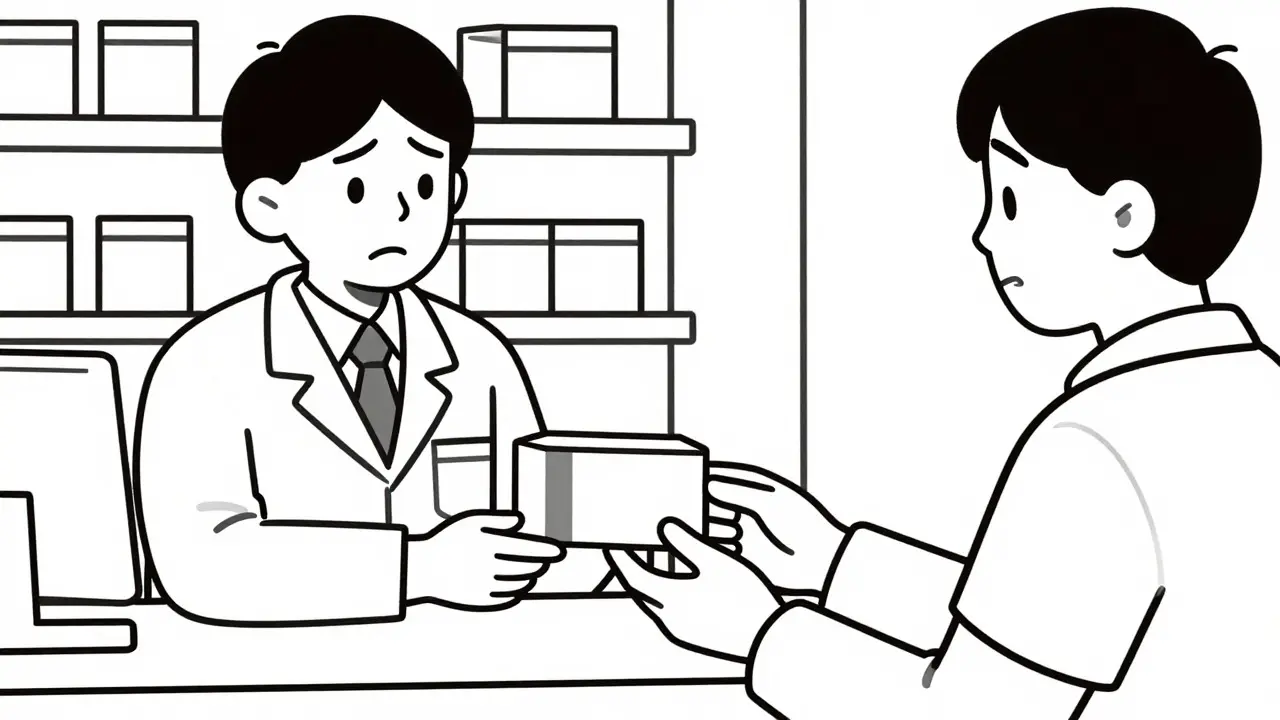
You pick up your prescription at the pharmacy counter, and the pharmacist hands you a box that looks different from what you usually get. The label says it’s an authorized generic, but you don’t see the familiar brand logo. Your heart might skip a beat. Is this the same medicine? Or did they swap it for something cheaper and less effective?
The short answer is yes, it is the exact same drug. But understanding why requires looking past the packaging. Authorized generics are a specific regulatory category in the U.S. pharmaceutical market that sits right between brand-name drugs and traditional generics. They are not just "similar"; they are chemically and physically identical to the brand product, differing only in the absence of the brand name on the label.
What Exactly Is an Authorized Generic?
To understand the value of an authorized generic, we first need to define it clearly. According to the U.S. Food and Drug Administration (FDA), an authorized generic is an approved brand-name drug marketed without the brand name on its label. That’s it. No new formula, no new manufacturing process, no separate safety review.
This concept emerged as a strategic response to the Hatch-Waxman Act of 1984, which established the modern pathway for generic drugs. While traditional generics go through a rigorous approval process called an Abbreviated New Drug Application (ANDA), authorized generics ride under the original New Drug Application (NDA) of the brand drug. This means the FDA does not require a separate application or approval for the authorized generic because it is legally considered the same product as the brand version.
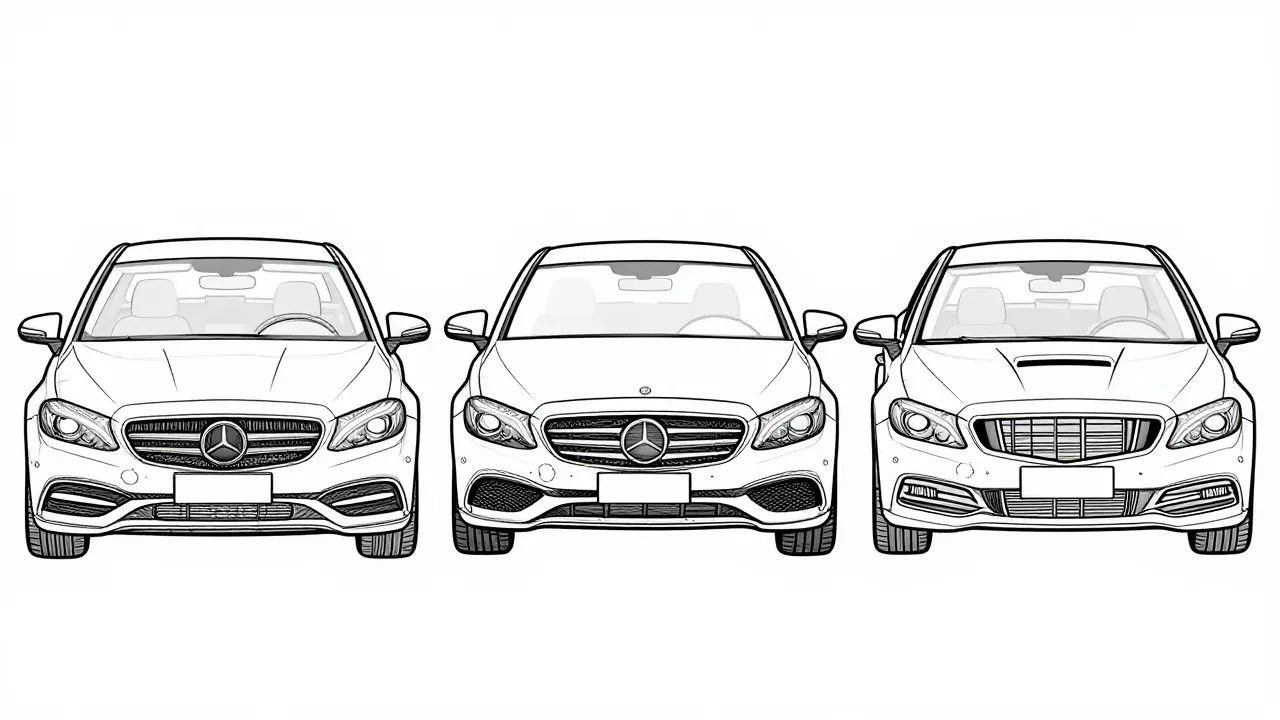
Think of it this way: if the brand drug is a Toyota Camry, the authorized generic is also a Toyota Camry, just with the dealership stickers removed. A traditional generic, however, is like a Honda Civic that meets all the same performance standards but has a different engine block and interior trim.
How It Differs From Traditional Generics
The distinction between authorized generics and traditional generics is subtle but critical for patients who are sensitive to inactive ingredients. Both types contain the same active ingredient, strength, dosage form, and route of administration. However, the difference lies in the excipients-the inactive components like fillers, binders, dyes, and preservatives.
Traditional generics must demonstrate bioequivalence to the brand drug, meaning they deliver the active ingredient into the bloodstream at a similar rate and extent. To achieve this, manufacturers can use different inactive ingredients. For most people, this doesn’t matter. But for patients with allergies or sensitivities, these minor differences can sometimes trigger reactions or affect absorption.
Authorized generics, by contrast, use the exact same inactive ingredients as the brand drug. Because they are manufactured under the original NDA, the formulation is locked down. If the brand uses lactose as a filler, the authorized generic uses lactose. If the brand uses a specific dye, the authorized generic uses that same dye. This makes authorized generics the safest option for patients who have had adverse reactions to traditional generics due to non-active components.
| Feature | Brand-Name Drug | Authorized Generic | Traditional Generic |
|---|---|---|---|
| Active Ingredient | Original Formula | Identical to Brand | Bioequivalent to Brand |
| Inactive Ingredients | Original Formula | Identical to Brand | May Differ from Brand |
| FDA Approval Pathway | New Drug Application (NDA) | Same NDA as Brand | Abbreviated New Drug Application (ANDA) |
| Orange Book Listing | Listed | Not Listed Separately | Listed with Equivalence Rating |
| Typical Cost | Highest | Moderate (Lower than Brand) | Lowest |
| Manufacturer | Brand Owner | Brand Owner or Licensee | Third-Party Manufacturer |
Why Do Companies Create Them?
You might wonder why a pharmaceutical company would voluntarily strip the brand name off their product and sell it for less. The answer is competitive strategy. When a patent expires, third-party companies rush to launch traditional generics, which typically undercut the brand price significantly. To protect their market share, brand manufacturers often introduce authorized generics themselves.
By launching an authorized generic, the brand owner keeps the sales volume within their own ecosystem while offering a lower price point than their flagship brand product. It’s a defensive move. According to a 2022 study published in Health Affairs, there were 152 authorized generic products across 55 unique drugs in the U.S. market as of 2021. These products are sold directly by the brand manufacturer, by a wholly-owned subsidiary, or by a licensed third party.
For consumers, this means more choice. You aren’t forced to choose between the expensive brand and a potentially unfamiliar generic. You get a middle ground that offers the exact same quality as the brand at a reduced cost.
Pricing and Insurance Coverage
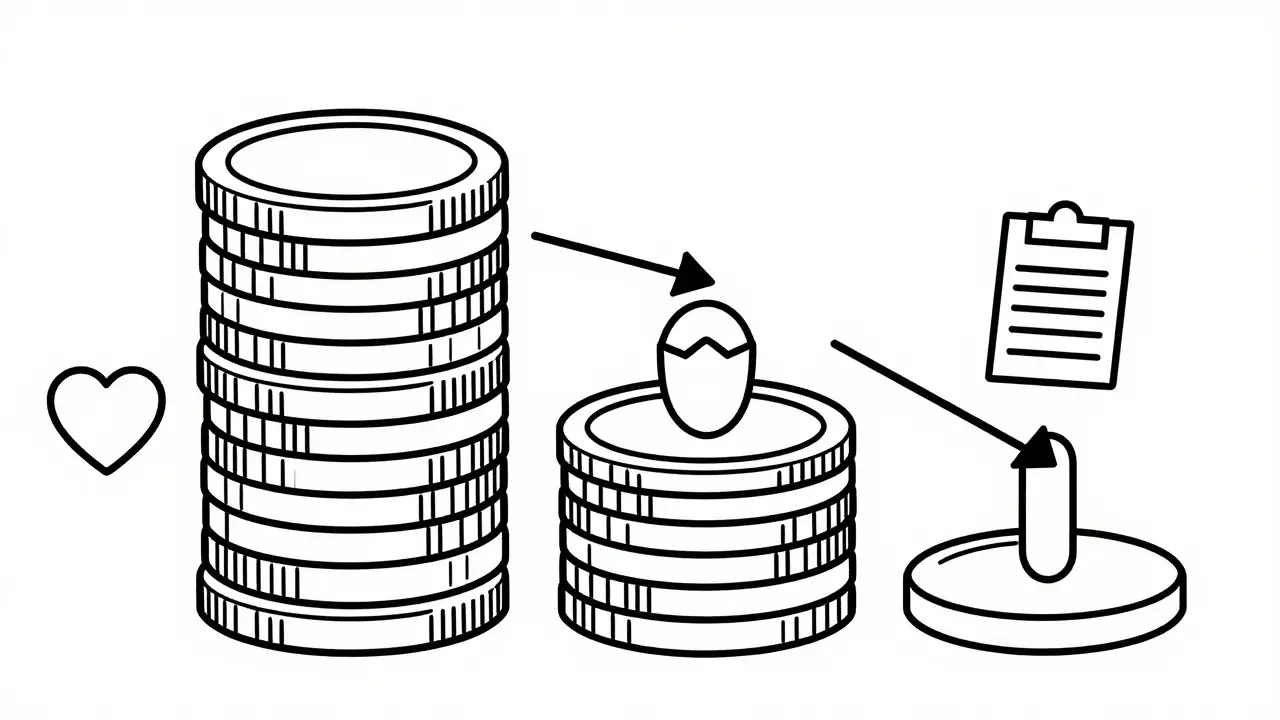
One of the biggest concerns for patients is cost. Generally, brand-name drugs are significantly more expensive than generics. Data from GoodRx indicates that brand-name drugs can cost 80-85% more than traditional generics. Authorized generics fall somewhere in the middle. They are almost always cheaper than the brand-name version, but they may not be as cheap as traditional generics.
In some cases, the discount on an authorized generic is modest-perhaps only 15-20% below the brand price-especially if the brand manufacturer is using it to blunt the impact of aggressive generic competition. However, for many chronic medications, the savings are substantial.
Insurance coverage plays a huge role here. Most health insurance plans cover generic versions of a drug instead of the brand name. Since authorized generics are classified as generics for insurance purposes, they often fall into the same formulary tier as traditional generics. This means your out-of-pocket copay will likely be the same whether you take the authorized generic or the traditional one, even though the authorized generic is technically identical to the brand drug.
Is There Any Difference in Efficacy?
From a clinical standpoint, there is no difference in efficacy between an authorized generic and its brand-name counterpart. Because the formulation is identical, the drug behaves exactly the same way in the body. Dr. Choudhry, a researcher cited in Harvard Health, notes that while traditional generics allow for a 20% variation in active ingredient concentration (though actual variation averages around 4%), authorized generics have zero variation because they are the same product.
A comprehensive review published in the National Center for Biotechnology Information (PMC) concluded that the safety and efficacy profiles between an authorized generic and the branded drug should be identical. In contrast, traditional generics could plausibly, though unlikely, differ slightly due to formulation changes. For most patients, this distinction is academic. But for those with complex medical histories, knowing that the authorized generic is a carbon copy of the brand drug provides peace of mind.
Navigating the Pharmacy Counter
When you receive an authorized generic, you might feel confused. Pharmacists report that about 30% of patients question the switch, even when told the drugs are identical. This confusion stems from the lack of clear labeling. Unlike traditional generics, which are clearly marked as such, authorized generics look like brand drugs minus the logo.
If you prefer the brand name specifically, you can ask your doctor to write "Dispense As Written" (DAW) on your prescription. This prevents the pharmacist from substituting any generic version, including authorized ones. However, for most patients, accepting the authorized generic is the smart move. It saves money without compromising quality.
Pharmacists are key resources here. If you’re unsure whether you received an authorized generic or a traditional one, ask them. They can check the National Drug Code (NDC) number on the box. Authorized generics often share the same NDC prefix as the brand drug, which is a quick way to verify their status.
Future Trends and Regulatory Changes
The landscape for authorized generics is evolving. The FDA continues to monitor this segment closely, recognizing its importance in balancing innovation with affordability. Recent discussions in stakeholder meetings suggest that the FDA may consider mandatory disclosure of authorized generic pricing in the Orange Book to increase transparency. Currently, authorized generics do not appear in the Orange Book, which lists approved drug products with therapeutic equivalence evaluations.
Industry analysts project that authorized generics will maintain a 5-7% market share of the total generic segment through 2028. This niche is expected to grow in therapeutic areas where inactive ingredients significantly impact patient outcomes, such as allergy medications and certain cardiovascular drugs.
Legislative proposals, like the Affordable Prescriptions for Patients Act of 2023, aim to limit brand manufacturers’ ability to use authorized generics purely as a defensive tactic to keep prices high. These efforts seek to ensure that authorized generics provide genuine cost savings rather than just a marketing shield for brand owners.
Frequently Asked Questions
Are authorized generics approved by the FDA?
Yes, but indirectly. They are approved under the original New Drug Application (NDA) of the brand-name drug. This means they don't need a separate FDA approval process because they are legally the same product as the brand drug.
Can I tell the difference between an authorized generic and a brand drug?
Visually, yes, because the brand name is missing from the label. Chemically and clinically, no. The active and inactive ingredients are identical, so the drug works exactly the same way in your body.
Why are authorized generics more expensive than traditional generics?
Brand manufacturers often price authorized generics higher than traditional generics to maintain profit margins while competing with third-party generics. The goal is to offer a lower price than the brand drug but not so low that it erodes the brand's overall revenue.
Should I ask my doctor for an authorized generic specifically?
You can request one if you have sensitivities to inactive ingredients in traditional generics. However, since pharmacists substitute based on state laws and insurance formularies, it’s best to discuss your preference with your doctor and pharmacist to ensure the right product is dispensed.
Do authorized generics appear in the FDA Orange Book?
No. The Orange Book lists traditional generics with their therapeutic equivalence ratings. Authorized generics are not listed separately because they are considered part of the brand drug's NDA. This lack of listing can sometimes cause confusion for patients and providers.
