
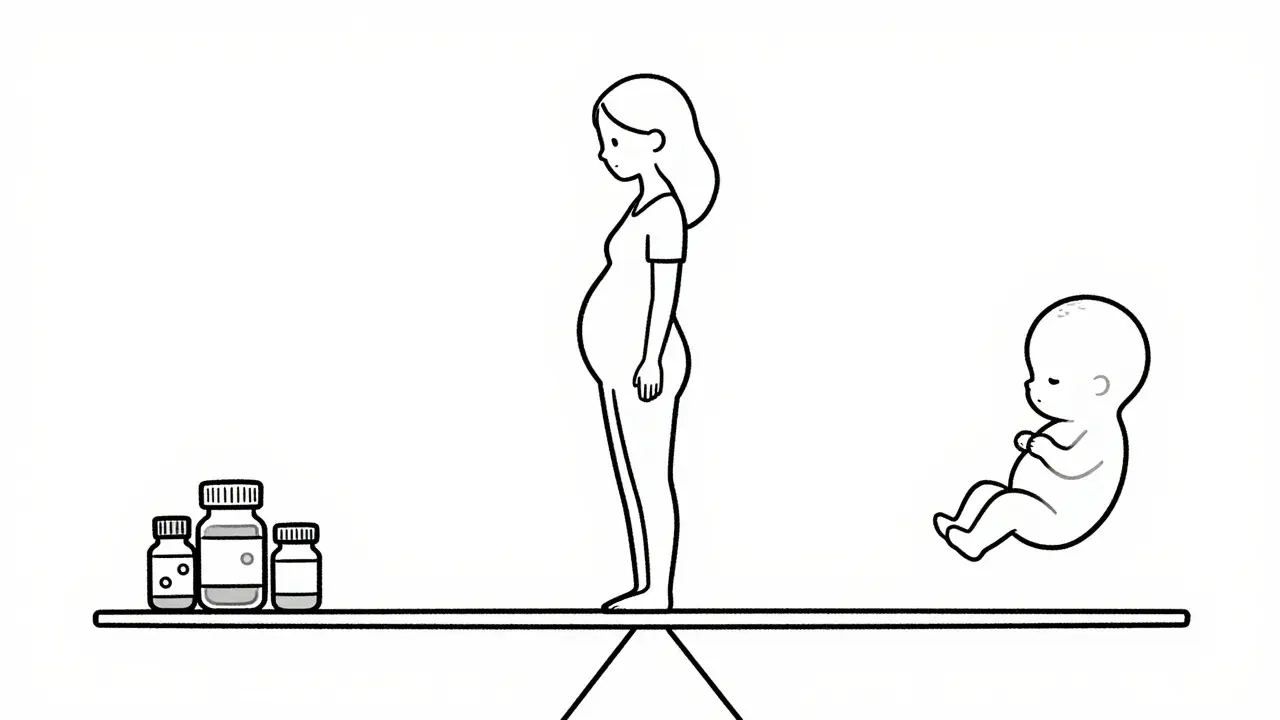
If you are pregnant or planning to conceive, the decision to continue taking medication for pain, anxiety, or seizures can feel like walking a tightrope. For many women, gabapentinoids, which include gabapentin (Neurontin) and pregabalin (Lyrica), have been a lifeline for managing chronic conditions. But as prescriptions for these drugs have skyrocketed in recent years, so has the concern about how they affect fetal development. You want to know if the medicine helping you stay stable could be harming your baby. The short answer is that while the risk of major birth defects appears low compared to older seizure medications, there are specific concerns regarding heart defects and newborn withdrawal symptoms that require careful management.
Understanding the current safety evidence isn't just about reading a label; it’s about looking at large-scale studies from the last decade. This guide breaks down what we know about prenatal exposure to gabapentinoids, separating the myths from the data so you can have informed conversations with your healthcare provider.
Key Takeaways on Gabapentinoid Safety
- Major Birth Defects: The overall risk of major congenital malformations is slightly higher than average but significantly lower than with older antiepileptic drugs like valproic acid.
- Heart Defects: Consistent use (two or more prescriptions) during pregnancy shows a specific increased risk for cardiac malformations, particularly conotruncal defects.
- Newborn Health: Babies exposed to gabapentin until delivery have a much higher chance of needing intensive care due to adaptation issues, such as tremors and feeding difficulties.
- Pregabalin vs. Gabapentin: Regulatory bodies in Europe are increasingly cautious about pregabalin, often recommending against its use unless no alternatives exist.
- Decision Making: These medications should only be used if non-pharmacological treatments fail and the condition is severe enough to justify the potential risks.
What Are Gabapentinoids and Why Are They Prescribed?
To understand the risks, you first need to understand the drug. Gabapentinoids are a class of medications originally developed to treat epilepsy but now widely used for neuropathic pain, anxiety disorders, and fibromyalgia. They work by calming overactive nerve signals in the brain.
Gabapentin was approved by the FDA in 1993, and pregabalin followed in 2004. Over time, their use expanded far beyond seizure control. Today, they are among the most prescribed medications in the United States. In fact, prescriptions for gabapentin among pregnant women rose from 0.2% in 2000 to nearly 4% by 2014. This surge means that thousands of women are potentially exposed to these drugs during critical periods of fetal development.
The key characteristic that matters for pregnancy is that these drugs cross the placenta easily. Because gabapentin is small and water-soluble, it reaches the fetal brain quickly. Studies confirm that therapeutic levels found in the mother’s blood also appear in the fetus, creating sustained exposure throughout the pregnancy.
Risk of Major Birth Defects: The Big Picture
The biggest fear for any expectant parent is whether the medication will cause structural birth defects. A landmark study published in PLOS Medicine in 2020 by researchers at Harvard Medical School provided some of the most comprehensive data available. They analyzed hundreds of thousands of pregnancies using Medicaid data.
Here is what the numbers show:
- Overall Risk: The relative risk (RR) for major malformations with gabapentin exposure was 1.07. This translates to an absolute risk increase of less than 1%. If the baseline risk for any pregnancy is about 3%, gabapentin raises this to roughly 3.2%.
- Comparison to Older Drugs: This risk is drastically lower than that of valproic acid, an older seizure medication linked to a 10-11% risk of major defects. It is also comparable to or slightly higher than lamotrigine, which is generally considered safer.
So, while gabapentin is not completely risk-free, it does not carry the same heavy burden of teratogenicity (birth defect-causing potential) as some older epilepsy drugs. However, "low risk" doesn't mean "no risk," and specific areas of concern have emerged.
The Cardiac Signal: Heart Defects Concern
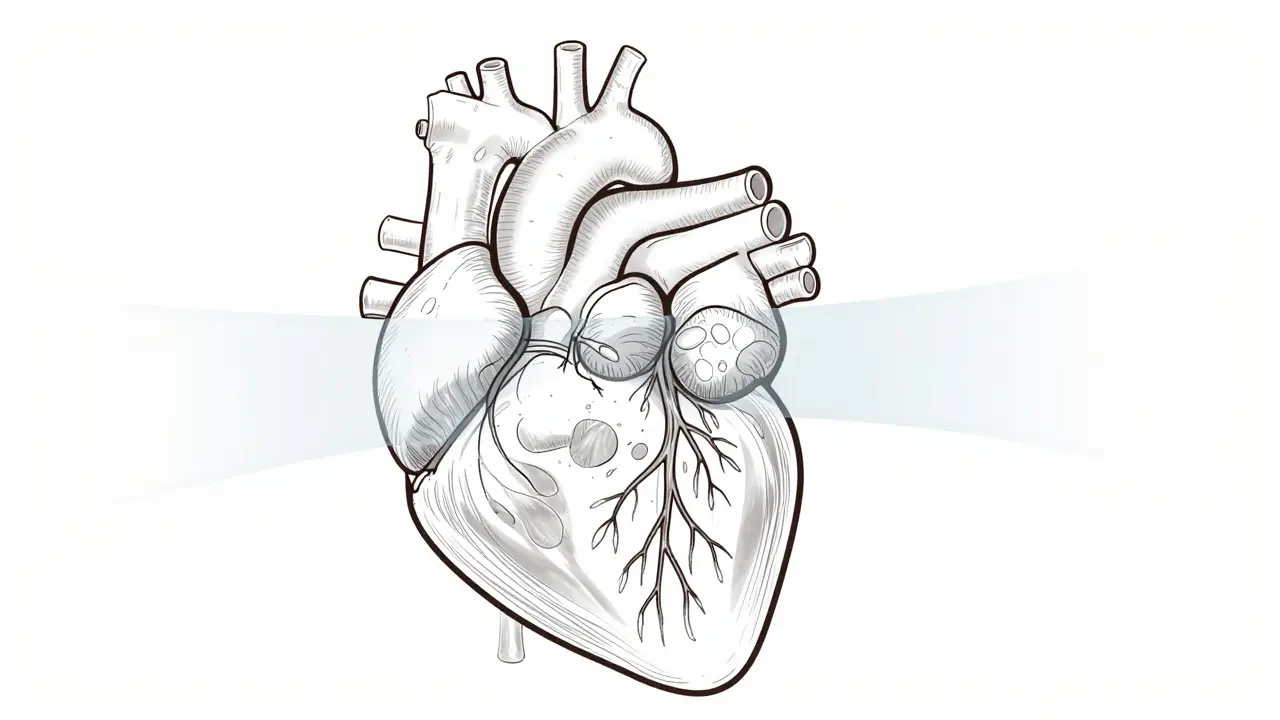
While the overall rate of birth defects is low, the 2020 PLOS Medicine study identified a specific pattern that warrants attention. Women who took gabapentin consistently-defined as having two or more prescriptions during pregnancy-showed an increased risk of cardiac malformations.
The relative risk for heart defects was 1.40. Specifically, the study noted a higher incidence of conotruncal defects, which are abnormalities in the upper part of the heart where the main arteries originate. This finding was not seen with lamotrigine, suggesting it may be unique to gabapentinoids.
Dr. Lori L. Altshuler, a psychiatrist at UCLA, notes that this cardiac signal requires careful consideration, especially at higher doses. If you are taking gabapentin regularly throughout your pregnancy, your doctor may recommend a detailed fetal echocardiogram (a specialized ultrasound of the baby’s heart) around 18-22 weeks to check for these specific issues.
| Medication | Risk of Major Malformations | Specific Concerns | FDA Pregnancy Category |
|---|---|---|---|
| Gabapentin | ~3.2% (RR 1.07) | Cardiac defects (conotruncal) | C (Risk cannot be ruled out) |
| Valproic Acid | 10-11% | Neural tube defects, cognitive impairment | D/X (Positive evidence of risk) |
| Lamotrigine | ~3.0% (RR 0.8-1.0) | Lip/cleft palate (slight increase) | C |
| Pregabalin | Data limited | Developmental toxicity in animals | C |
Newborn Adaptation Syndrome: The Third-Trimester Risk
If you get through pregnancy without structural defects, the next challenge is delivery. The most significant risk associated with gabapentinoids occurs when the medication is taken late in pregnancy, leading up to birth.
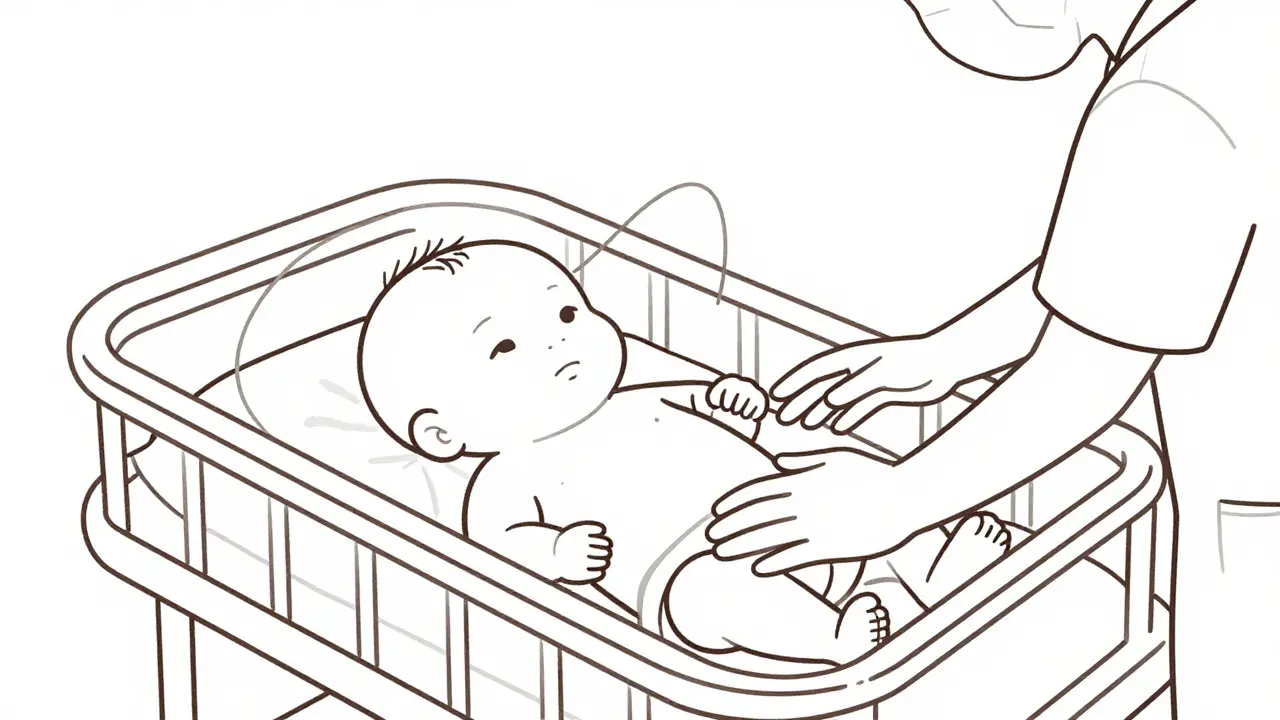
Babies exposed to gabapentin in utero can experience neonatal adaptation syndrome. This is similar to withdrawal symptoms seen in babies born to mothers using opioids, though typically milder and less frequent. Symptoms can include:
- Tremors and jitteriness
- Irritability and excessive crying
- Feeding difficulties
- Sleep disturbances
A study published in Neurology found that 38% of infants exposed to gabapentin until delivery required admission to the Neonatal Intensive Care Unit (NICU), compared to only 2.9% of unexposed infants. While most cases resolve within days or weeks as the drug clears the baby’s system, the NICU stay can be stressful for families.
Additionally, late-pregnancy exposure is linked to preterm birth (relative risk 1.34) and being small for gestational age (relative risk 1.22). These factors contribute to the higher NICU admission rates. If you are taking gabapentin, your obstetrician might discuss tapering the dose in the third trimester, but this must be done carefully to avoid triggering seizures or severe pain flares in the mother.
Mechanistic Insights: What Happens in the Fetal Brain?
Why do these effects occur? Recent research provides a glimpse into the cellular level. A 2022 study in Frontiers in Pharmacology looked at how gabapentin affects developing neurons in lab cultures.
The researchers found that therapeutic concentrations of gabapentin altered the morphology of dopaminergic neurons in the ventral midbrain-a region critical for movement and reward processing. Specifically:
- Total neurite length (the branches neurons use to connect) decreased by approximately 37%.
- Key developmental genes, including Nurr1, En1, and Bdnf, were significantly downregulated.
This suggests that gabapentin might interfere with normal brain wiring during critical developmental windows. While these findings are from cell cultures and animal models, they provide a biological plausibility for why neurodevelopmental follow-up is important. The National Institutes of Health is currently funding longitudinal studies to track children exposed to gabapentin in utero through age five to see if there are long-term cognitive or behavioral impacts.
Gabapentin vs. Pregabalin: Is There a Difference?
Although both drugs belong to the same class, regulators are treating them differently. Pregabalin has shown more concerning signals in animal studies regarding developmental toxicity. Consequently, the European Medicines Agency (EMA) issued a safety communication in 2022 highlighting potential concerns with pregabalin use during pregnancy.
In the UK, the British National Formulary advises avoiding gabapentin unless benefits clearly outweigh risks, but the stance on pregabalin is even stricter in many European guidelines. In the US, both remain Category C, meaning risks cannot be ruled out. However, market trends suggest that pregabalin use in pregnancy may decline by 25-35% by 2027 as clinicians shift toward alternatives like duloxetine or non-pharmacological interventions.
Practical Steps for Patients and Clinicians
If you are currently taking gabapentin or pregabalin and are pregnant or planning to become pregnant, here is how to navigate the situation:
- Do Not Stop Abruptly: Suddenly stopping these medications can trigger severe withdrawal symptoms, seizures, or rebound pain, which can be dangerous for both you and the baby. Any changes must be gradual and supervised.
- Preconception Counseling: If possible, discuss your medication plan before conceiving. Your doctor might switch you to a medication with a longer safety record, such as lamotrigine, if appropriate for your condition.
- Use the Lowest Effective Dose: If you must continue gabapentin, aim for the lowest dose that controls your symptoms. Higher doses correlate with higher risks of adverse outcomes.
- Monitor Closely: Request detailed anatomy scans, including a fetal echocardiogram if you have consistent exposure. Monitor for signs of growth restriction in the third trimester.
- Prepare for Delivery: Inform your labor and delivery team about your medication use. They can prepare the pediatric team to monitor for neonatal adaptation syndrome, ensuring your baby gets support immediately if needed.
The American College of Obstetricians and Gynecologists (ACOG) recommends that gabapentin should only be used when non-pharmacological approaches have failed and the indication is severe. For mild anxiety or occasional pain, physical therapy, cognitive behavioral therapy, or acetaminophen might be safer alternatives.
Future Outlook and Ongoing Research
The landscape of gabapentinoid safety is evolving. In January 2024, the FDA announced new requirements for manufacturers to conduct post-marketing surveillance studies tracking 5,000 pregnancy outcomes by 2027. This will provide much-needed real-world data on long-term child development.
Until then, the decision to use gabapentinoids during pregnancy remains a balance of individual risk and benefit. For women with severe neuropathic pain or refractory epilepsy, the relief these drugs provide may outweigh the modest increase in risks. For others, exploring alternatives is wise. Stay informed, ask questions, and work closely with a healthcare team that understands both your medical history and the latest safety evidence.
Can I take gabapentin while breastfeeding?
Gabapentin passes into breast milk, but usually in small amounts. The concentration in milk is typically less than 1% of the maternal dose. Most experts consider it compatible with breastfeeding, especially if the infant is full-term and healthy. However, watch for excessive sedation or poor feeding in your baby. Consult your pediatrician before starting or continuing breastfeeding while on gabapentin.
Is pregabalin safer than gabapentin during pregnancy?
No, pregabalin is generally considered to have a less favorable safety profile in pregnancy than gabapentin. Animal studies have shown more pronounced developmental toxicity with pregabalin. Regulatory agencies in Europe have issued stronger warnings against pregabalin use in pregnancy compared to gabapentin. If a gabapentinoid is necessary, gabapentin is often preferred due to more extensive human data.
Will gabapentin cause autism or ADHD in my child?
Current evidence does not establish a direct causal link between prenatal gabapentin exposure and autism spectrum disorder or ADHD. However, because gabapentin affects neuronal development in lab studies, long-term neurodevelopmental outcomes are still being studied. The ongoing NIH-funded studies tracking exposed children through age five will help clarify these risks. Currently, the immediate risks of birth defects and neonatal adaptation are the primary concerns.
What are the symptoms of neonatal adaptation syndrome?
Symptoms typically appear within hours to days after birth and may include tremors, jitteriness, irritability, high-pitched crying, sleep disturbances, and feeding difficulties (such as poor sucking or vomiting). In rare cases, seizures may occur. Most symptoms are mild and resolve spontaneously within 1-2 weeks as the drug leaves the baby's system. Supportive care in the NICU is often sufficient.
Should I stop taking gabapentin if I find out I'm pregnant?
Do not stop abruptly. Sudden discontinuation can cause severe withdrawal symptoms, seizures, or rebound pain, which pose significant risks to both you and the fetus. Contact your healthcare provider immediately. They will help you weigh the risks of continued use against the risks of withdrawal and may create a slow tapering plan or switch to a safer alternative if clinically appropriate.
Does the dose of gabapentin matter for fetal risk?
Yes, dose and consistency matter. The increased risk of cardiac malformations was specifically linked to consistent use (multiple prescriptions) during pregnancy, suggesting cumulative exposure plays a role. Higher doses are also associated with greater transfer to the fetus and potentially more severe neonatal adaptation symptoms. Always use the lowest effective dose to manage your condition.
Are there safer alternatives to gabapentin for pain during pregnancy?
For mild to moderate pain, acetaminophen is generally considered safe. Physical therapy, acupuncture, and cognitive behavioral therapy are excellent non-pharmacological options. For neuropathic pain, some clinicians may consider duloxetine or certain antidepressants, though all medications carry some risk. Lamotrigine is often preferred for seizure control due to its longer safety record. The best alternative depends on your specific diagnosis and medical history.
