
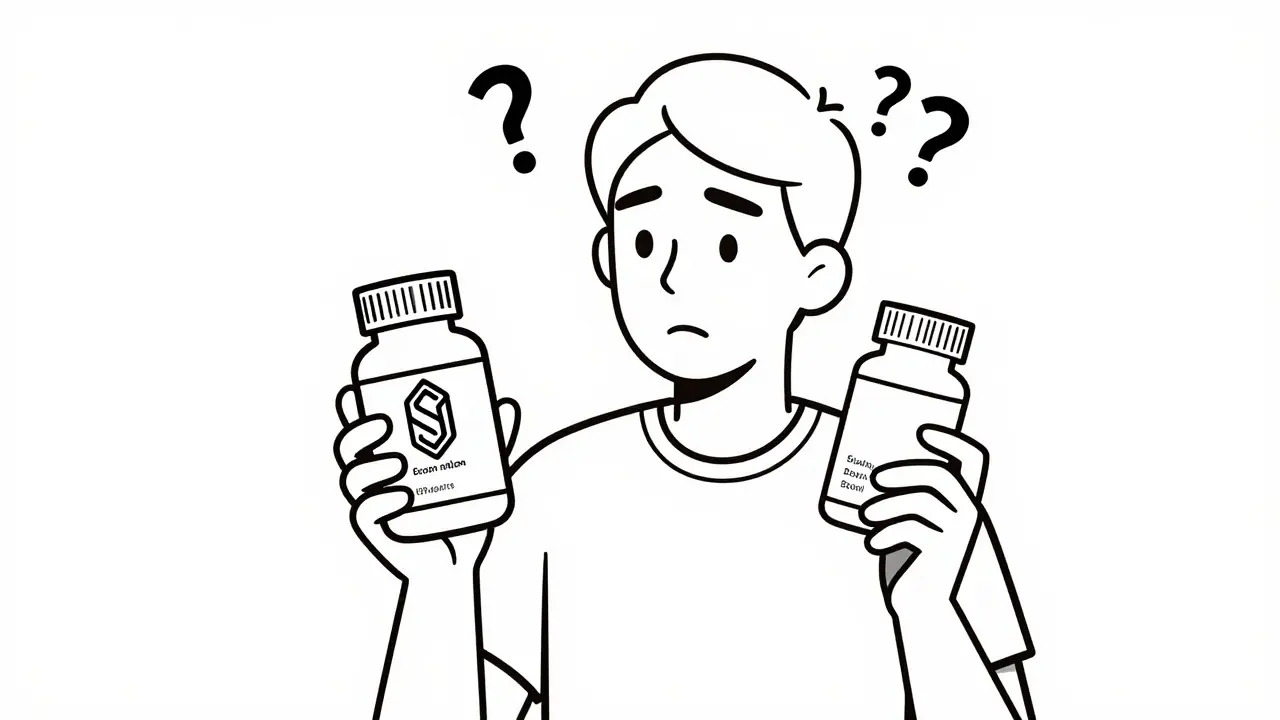
Imagine this scenario: You’ve been taking a brand-name drug for years. It works. Your doctor switches you to the generic version without asking. The pill looks different-maybe smaller, maybe a different color. Suddenly, you’re worried. Is it as strong? Will it still work? This hesitation is common, and it’s costing patients money and healthcare systems billions.
Generic medications are not just cheaper alternatives; they are rigorously tested pharmaceutical products that must meet strict standards to reach your pharmacy shelf. Yet, despite making up 90% of all prescriptions dispensed in the United States, many patients remain skeptical. Research shows that while comfort with generics has risen from 60% in 2007 to over 90% in recent surveys, significant pockets of doubt persist, particularly among those with lower health literacy or less trust in their providers.
The gap between scientific fact and patient perception isn’t about intelligence-it’s about communication. When providers fail to explain bioequivalence, patients fill that silence with fear. This article breaks down research-backed strategies to bridge that gap, turning skepticism into confidence through clear, empathetic, and evidence-based dialogue.
Understanding the Science: Why Generics Are Safe
To build confidence, we first need to demystify what a generic drug actually is. A Generic Medication is a pharmaceutical product containing the same active ingredient, dosage form, strength, route of administration, and intended use as a previously approved brand-name drug. The key term here is Bioequivalence is the measure of the rate and extent to which the active ingredient becomes available at the site of drug action when administered at the same molar dose.
The U.S. Food and Drug Administration (FDA) requires generic drugs to demonstrate bioequivalence within a tight statistical range. Specifically, the 90% confidence interval for pharmacokinetic parameters like Area Under the Curve (AUC) and Maximum Concentration (Cmax) must fall between 80% and 125% of the brand-name reference. In plain English? The generic delivers the same amount of medicine to your body at the same speed as the brand name. There is no clinically meaningful difference in how it works.
This process is governed by the Hatch-Waxman Act is the 1984 Drug Price Competition and Patent Term Restoration Act that established the abbreviated approval pathway for generic drugs. This legislation created the Abbreviated New Drug Application (ANDA) process, allowing manufacturers to skip costly clinical trials if they can prove equivalence to an existing brand. The result? Generic drugs cost 80-85% less than their brand-name counterparts, saving the U.S. healthcare system approximately $370 billion annually.
| Feature | Brand-Name Drug | Generic Medication |
|---|---|---|
| Active Ingredient | Unique chemical compound | Identical to brand-name |
| Cost | High (full R&D recovery) | Low (80-85% savings) |
| FDA Approval Path | New Drug Application (NDA) | Abbreviated New Drug Application (ANDA) |
| Bioequivalence Requirement | N/A (Reference Standard) | 80-125% CI for AUC/Cmax |
| Appearance | Consistent branding | Varies by manufacturer |
The Psychology of Skepticism: Why Patients Hesitate
If the science is so clear, why do patients resist? A 2024 study published in PLOS ONE revealed that nearly half of participants believed physicians should prescribe more generics, yet another national survey showed only 37.6% of Americans actively preferred them. The disconnect lies in perception, not data.
Several factors drive this skepticism:
- Visual Differences: Generics often look different due to inactive ingredients (fillers, dyes). For patients who associate “look” with “quality,” a smaller or differently colored pill feels inferior.
- Nocebo Effect: If a patient believes a drug is weaker, they may experience reduced efficacy or increased side effects purely due to expectation. This is a real physiological response driven by psychology.
- Lack of Communication: Many patients report being switched without explanation. As noted in FDA interviews, patients want to be active partners in their care. Silent substitutions breed distrust.
- Demographic Gaps: Research highlights that negative beliefs correlate with lower income, lower education levels, and non-white racial backgrounds. For example, one study found 50.3% of patients with low health literacy believed generics were less effective.
A machine learning analysis of Greek patients’ perceptions (Frontiers in Drug Safety and Regulation, 2024) added nuance: 69.8% expressed positive inclination toward generics when recommended by a provider, but 30.2% preferred brands due to perceived higher quality (53.7%) or better efficacy (26.8%). This underscores that trust in the messenger-the healthcare provider-is often more important than the message itself.
Strategies for Healthcare Providers: Building Trust Through Dialogue
Providers hold the key to unlocking patient confidence. Here are research-backed strategies to improve acceptance:
1. Proactive, Not Reactive, Communication
Don’t wait for the patient to ask. Initiate the conversation before dispensing. A study by Shrank et al. found that generic medication use was most significantly associated with provider communication (p<0.001). Even a 2-3 minute dedicated discussion can shift attitudes. Explain why you’re recommending the switch: “This generic has the exact same active ingredient as your current medication, and it will save you $X per month.”
2. Demystify Bioequivalence Simply
Avoid jargon. Instead of citing AUC/Cmax intervals, say: “The FDA tests these pills to make sure they dissolve and absorb in your body at the same rate as the brand name. Think of it like two different brands of bottled water-they taste slightly different because of minerals, but they both hydrate you exactly the same way.”
3. Address Appearance Concerns Head-On
Acknowledge that the pill looks different. Explain that inactive ingredients (like binders or colors) don’t affect therapeutic outcome. If a patient had a bad experience with a specific generic manufacturer’s filler in the past, note that multiple manufacturers exist, and switching to another generic brand might resolve issues.
4. Leverage Pharmacist Expertise
Pharmacists are uniquely positioned to educate. The US Pharmacist article notes that pharmacists who provide detailed explanations see higher satisfaction rates. Encourage patients to ask their pharmacist questions. Studies show 84.7% of patients who received an explanation from their pharmacist felt comfortable with the switch, compared to only 63.2% who received none.
5. Validate Concerns Without Dismissing Them
If a patient says, “I feel worse on the generic,” listen. Rule out other causes, but also consider the nocebo effect. Reassure them that their concern is valid, but remind them of the rigorous testing. Offer a trial period with close monitoring rather than an immediate return to the expensive brand.
Tailoring Approaches for Specific Populations
One size does not fit all. Different groups require nuanced strategies:
- Patients with Low Health Literacy: Use visual aids. Show graphs comparing cost savings. Avoid complex statistics. Focus on tangible benefits: “This will leave more money for groceries or rent.”
- Elderly Patients: Those over 60 showed higher confidence in generics (71.4% considered them safe in one study). Emphasize consistency and reliability. Reassure them that their trusted doctor is recommending it.
- Polypharmacy Patients: Those on multiple medications benefit most from cost savings. Frame generics as a tool for financial sustainability of their entire regimen.
- Culturally Diverse Communities: Build trust through community health workers or bilingual materials. Address historical mistrust in medical systems by emphasizing transparency and shared decision-making.
The Role of Policy and Systemic Support
Individual conversations matter, but systemic changes amplify impact. The FDA’s Generic Drug User Fee Amendments (GDUFA III), implemented in October 2022, includes initiatives to enhance patient communication. Meanwhile, state laws vary widely: 18 states allow pharmacist substitution without physician notification, while 12 require explicit authorization. Standardizing proactive communication protocols across pharmacies could reduce confusion.
Hospitals achieve 95% generic utilization rates through formulary management, compared to 82% in retail settings. Integrating automatic counseling prompts into electronic health records (EHRs) could help retail pharmacies match hospital-level success.

Measuring Success: What Does Improved Confidence Look Like?
Success isn’t just higher prescription volumes. It’s measured in:
- Adherence Rates: Patients who trust their medication are more likely to take it consistently.
- Reduced Switch-Backs: Fewer patients requesting brand names after initial generic fills.
- Patient Satisfaction Scores: Higher ratings for communication and perceived care quality.
- Cost Savings Realized: Actual out-of-pocket reductions reported by patients.
The Congressional Budget Office projects generic drugs will save the U.S. healthcare system $1.7 trillion over the next decade-but only if patient confidence is maintained. Every conversation is an investment in that future.
Next Steps for Providers and Patients
For providers: Start small. Pick one high-cost medication you frequently prescribe and practice explaining its generic equivalent using simple analogies. Train your staff to offer brief educational handouts during pickup.
For patients: Ask questions. If you’re unsure about a switch, request a quick chat with your pharmacist. Know your rights-you can always discuss options with your doctor. Remember, choosing a generic isn’t settling for less; it’s choosing smarter, safer, and more sustainable care.
Are generic medications as effective as brand-name drugs?
Yes. Generic medications must demonstrate bioequivalence to their brand-name counterparts, meaning they deliver the same amount of active ingredient to your body at the same rate. The FDA requires strict testing to ensure identical therapeutic outcomes. While inactive ingredients may differ, they do not affect efficacy.
Why do some people feel different side effects on generics?
Side effect differences are rare but can occur due to variations in inactive ingredients (fillers, dyes) or individual sensitivities. More commonly, perceived differences stem from the nocebo effect-where anxiety about the change leads to expected symptoms. If issues arise, consult your provider; switching to a different generic manufacturer may help.
Can my pharmacist switch me to a generic without telling my doctor?
It depends on your state. In 18 U.S. states, pharmacists can substitute generics without notifying the prescribing physician. In others, explicit authorization is required. Regardless of law, best practice involves transparent communication with both patient and provider to maintain trust.
How much money can I save by using generic medications?
On average, generic drugs cost 80-85% less than brand-name equivalents. For example, a brand-name statin costing $100/month might have a generic alternative for $15. These savings add up significantly over time, especially for chronic conditions requiring long-term treatment.
What should I do if I’m uncomfortable with a generic switch?
Talk to your pharmacist or doctor immediately. Express your concerns clearly. They can explain the safety data, address specific fears, or explore alternative generic manufacturers. Never stop taking prescribed medication without consulting your healthcare team.
