
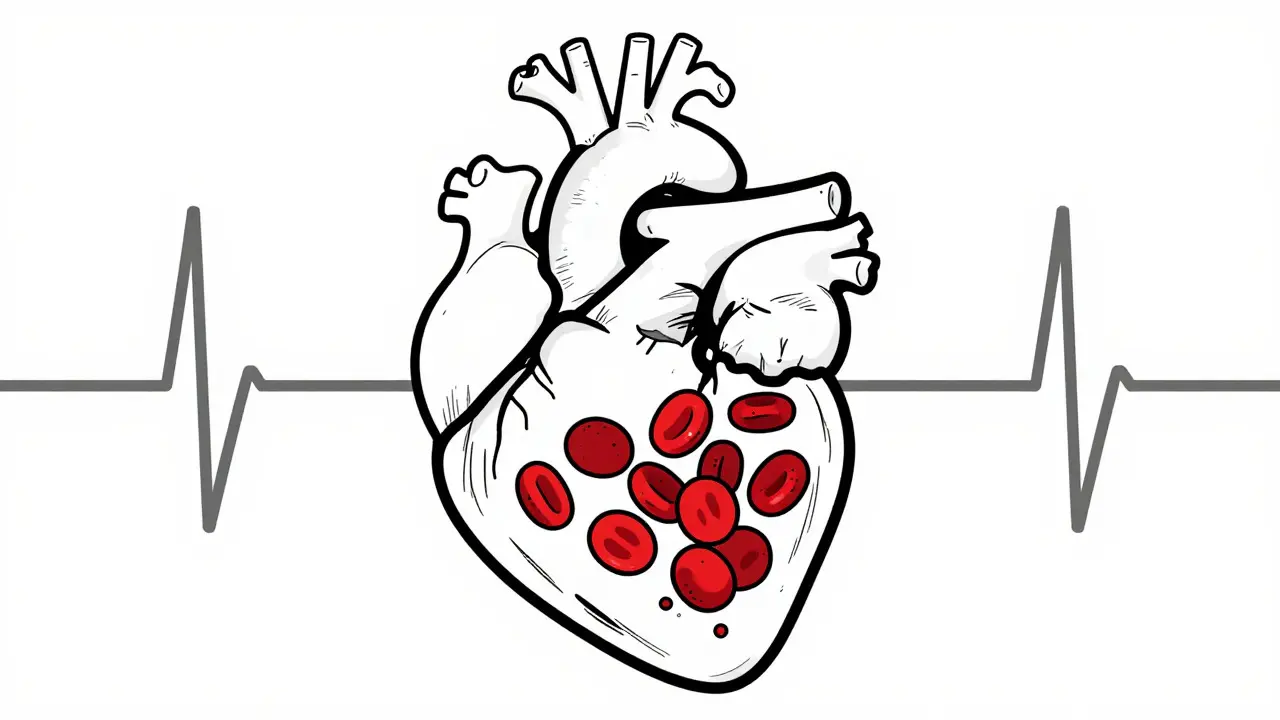
Imagine your blood is a river. If it flows too slowly or hits a rough patch, debris can clump together and form a dam. In your body, that dam is a clot. If that clot travels to your brain, the result is an ischemic stroke-a medical emergency that can be devastating. For millions of people with atrial fibrillation (often called Afib), where the heart beats irregularly, this risk is real and constant. The solution? Medications known as blood thinners, or more accurately, anticoagulants.
These drugs don’t actually "thin" your blood like adding water to soup. Instead, they interrupt the chemical chain reaction that allows blood to clot. Choosing the right one isn't just about picking a pill; it’s about balancing the massive benefit of preventing a stroke against the risk of bleeding. With new options hitting the market and patents expiring in 2024 and 2025, the landscape has changed dramatically. Here is what you need to know to make sense of your options.
The Old Guard: How Warfarin Works
For decades, Warfarin (brand name Coumadin) was the only game in town for oral anticoagulation. Discovered in the 1950s, it works by blocking vitamin K, which your liver needs to produce clotting factors. It’s effective, but it’s also finicky.
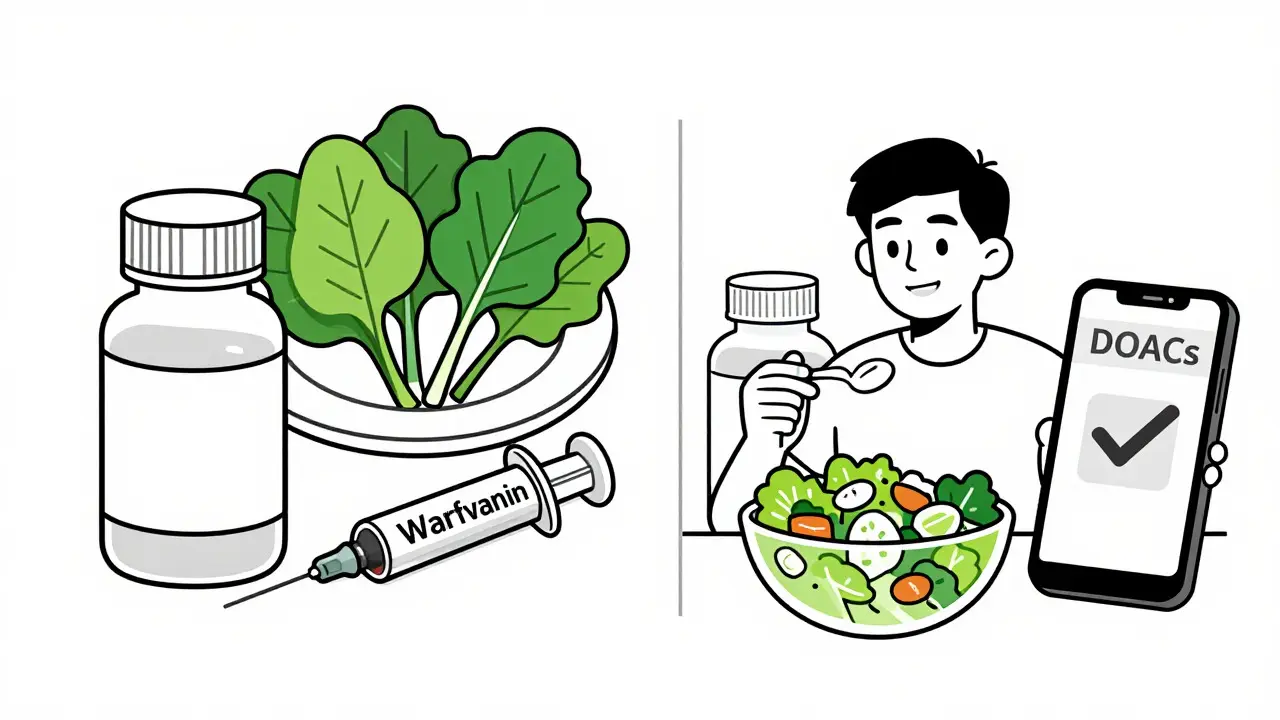
Because Warfarin interacts with vitamin K found in foods like broccoli, spinach, and kale, your diet can directly impact how well the drug works. Eat a big salad one day, and your blood might clot too easily. Skip greens the next week, and you might bleed too much. This requires regular blood tests called INR checks to ensure your dosage is in the "therapeutic range."
- Monitoring: You’ll need frequent blood draws-sometimes weekly at first, then monthly.
- Dietary Restrictions: You must keep your vitamin K intake consistent, not necessarily low.
- Drug Interactions: Many common medications, including antibiotics, can interfere with Warfarin.
Despite these hurdles, Warfarin remains the standard of care for patients with mechanical heart valves or severe mitral stenosis. For everyone else, however, newer options have largely taken over.
The New Standard: Direct Oral Anticoagulants (DOACs)
In the last decade, a new class of drugs emerged: Direct Oral Anticoagulants, or DOACs. These include Apixaban (Eliquis), Rivaroxaban (Xarelto), Dabigatran (Pradaxa), and Edoxaban (Savaysa). Unlike Warfarin, they target specific proteins in the clotting process directly.
Why are doctors prescribing them so heavily now? Because they are easier to live with. No routine blood tests. No strict dietary rules. They work faster and wear off quicker if needed. According to 2023 data, DOACs now account for nearly 80% of new prescriptions for Afib in the United States.
| Feature | Warfarin (Coumadin) | Apixaban (Eliquis) | Rivaroxaban (Xarelto) | Dabigatran (Pradaxa) |
|---|---|---|---|---|
| Dosing Frequency | Once daily | Twice daily | Once daily | Twice daily |
| Blood Monitoring | Required (INR) | None routine | None routine | None routine |
| Dietary Restrictions | Yes (Vitamin K) | No | No | No |
| Reversal Agent | Vitamin K / PCC | Andexanet alfa | Andexanet alfa | Idarucizumab |
| Generic Availability | Yes (Low Cost) | Yes (Since Jan 2024) | Yes (Since Sept 2023) | Yes (Since May 2023) |
Safety Profile: Bleeding Risks Explained
All blood thinners carry a risk of bleeding. That’s the trade-off. However, the type of bleeding matters. The biggest fear with anticoagulants is intracranial hemorrhage-bleeding in the brain. This is rare but serious.
Studies show that DOACs significantly reduce the risk of bleeding into the brain compared to Warfarin. A 2021 systematic review involving over 2 million patients found that NOACs (another term for DOACs) lowered the risk of major bleeding by 32% compared to Warfarin. Specifically, the risk of intracranial bleeding was cut by more than half.
However, there are nuances. Dabigatran has been associated with a higher rate of gastrointestinal (stomach) bleeding compared to other DOACs. If you have a history of ulcers or stomach issues, this might be a factor to discuss with your doctor. Apixaban generally shows the most favorable safety profile regarding both stroke prevention and bleeding risks in head-to-head comparisons.
Cost and Accessibility in 2026
Price has long been the biggest barrier to DOACs. Brand-name Eliquis and Xarelto could cost hundreds of dollars a month without insurance assistance. But the tide turned recently. Patents for Apixaban expired in January 2024, Rivaroxaban in September 2023, and Dabigatran in May 2023.
This means generic versions are now widely available. As of early 2024, generic Apixaban costs roughly $450-$500 per month, a significant drop from brand prices. While still more expensive than generic Warfarin (which costs around $65 for a month’s supply plus testing fees), the gap is narrowing. For many Medicare beneficiaries, this makes switching to a DOAC financially viable for the first time.
Who Should Take What?
Your doctor will likely use a scoring system called CHA₂DS₂-VASc to determine your stroke risk based on age, gender, blood pressure, diabetes, and prior stroke history. If your score indicates high risk, anticoagulation is usually recommended.
Here is how clinicians typically decide between options:
- Choose a DOAC if: You have non-valvular Afib, want to avoid frequent blood tests, and have normal kidney function. Apixaban is often the top choice due to its balance of efficacy and safety.
- Stick with Warfarin if: You have a mechanical heart valve, moderate-to-severe mitral stenosis, or end-stage renal disease requiring dialysis (where evidence for DOACs is still limited).
- Consider Kidney Function: DOACs are cleared by the kidneys. If you have chronic kidney disease, your dose may need adjustment, or Warfarin might be safer. Regular creatinine checks are essential.
Living with Blood Thinners: Practical Tips
Starting a blood thinner is a lifestyle adjustment, not just a prescription fill. Here is how to stay safe:
- Adherence is Key: Missing doses of DOACs is dangerous because they leave your system quickly. Set phone alarms. Use a pill organizer. If you miss a dose of a twice-daily drug, take it as soon as you remember unless it’s close to the next dose.
- Watch for Bleeding: Minor nosebleeds or bruising are common. Seek immediate help if you experience coughing up blood, black/tarry stools, severe headaches, or falls with head trauma.
- Tell Every Provider: Before any dental work, surgery, or new medication, remind providers you are on a blood thinner. Some procedures require pausing your medication for a few days.
- Avoid NSAIDs: Painkillers like ibuprofen (Advil, Motrin) and naproxen (Aleve) increase bleeding risk when combined with anticoagulants. Stick to acetaminophen (Tylenol) for pain relief unless told otherwise.
The Future of Stroke Prevention
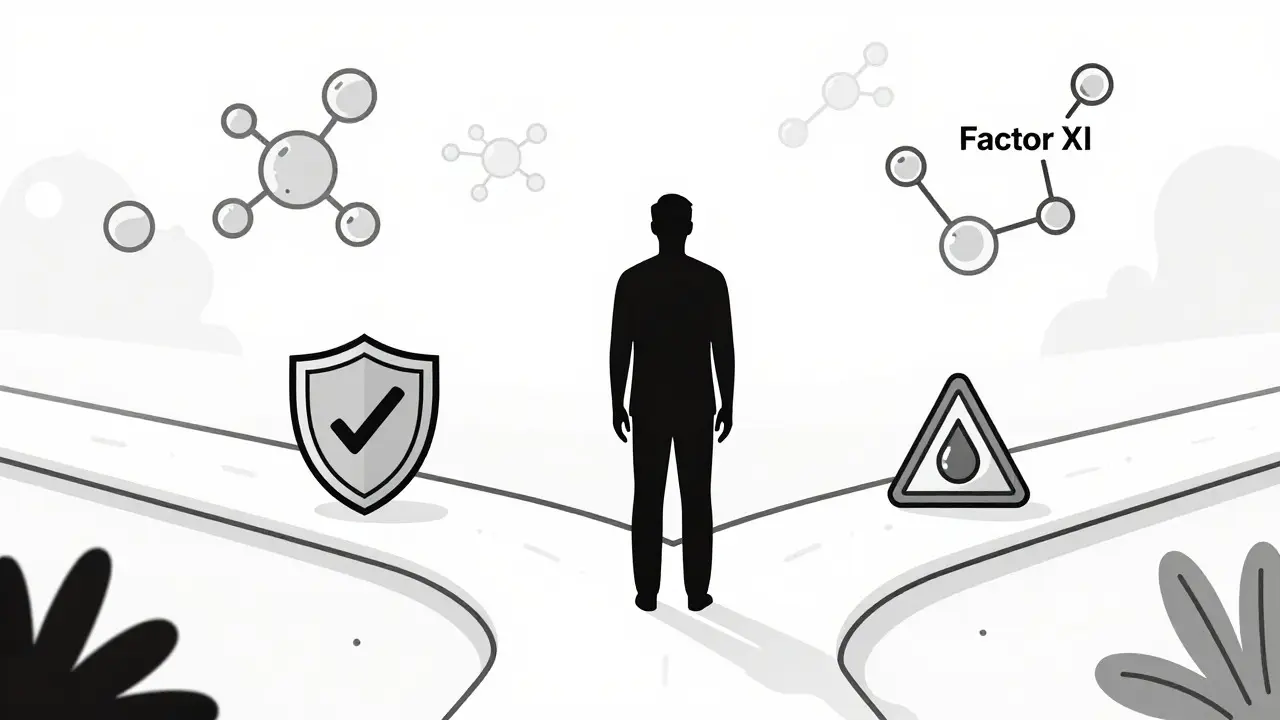
Science doesn’t stop here. Researchers are developing "next-generation" anticoagulants that target Factor XI, a protein earlier in the clotting chain. Drugs like milvexian and abelacimab are in late-stage trials, showing promise for reducing bleeding risks even further while maintaining stroke protection. By 2028, we may see personalized medicine approaches where genetic testing guides your specific drug choice, minimizing trial and error.
For now, the message is clear: if you have Afib, do not ignore the risk. Talk to your cardiologist about whether a DOAC is right for you. With generics now available, there is less reason than ever to suffer through the hassle of Warfarin if a safer, easier option exists for your specific health profile.
Can I eat leafy greens if I am on Apixaban or Rivaroxaban?
Yes. Unlike Warfarin, DOACs like Apixaban and Rivaroxaban do not interact with vitamin K. You can enjoy salads and cooked greens without worrying about changing your blood’s ability to clot. Just maintain a healthy, balanced diet.
Do I need blood tests if I switch from Warfarin to a DOAC?
You no longer need routine INR monitoring. However, your doctor will likely check your kidney function (creatinine levels) every 6 to 12 months to ensure the drug is being cleared properly and to adjust the dose if necessary.
Which blood thinner causes the least bleeding?
Clinical data suggests Apixaban has the lowest risk of major bleeding, particularly intracranial bleeding, among the commonly prescribed DOACs. It is often preferred for elderly patients or those with a higher baseline bleeding risk.
Are generic blood thinners as effective as brand names?
Yes. Generic versions of Apixaban, Rivaroxaban, and Dabigatran must meet the same FDA standards for safety and efficacy as their brand-name counterparts. They contain the same active ingredients and work identically in the body.
What should I do if I miss a dose of my blood thinner?
If you take a twice-daily medication like Apixaban or Dabigatran and miss a dose, take it as soon as you remember on the same day. Then take your next dose at the usual time. Do not double up. If you forget until the next day, skip the missed dose and resume your normal schedule. Always check your specific patient information leaflet for guidance.
