
Side Effect Onset Predictor
How This Tool Works
Enter your medication information below to see when side effects typically appear for your drug class. This tool uses evidence-based patterns from the article to help you recognize when symptoms might be medication-related.
Note This is for informational purposes only. Always consult your healthcare provider about symptoms.
Your Medication
Onset Results
Select a drug class and start date to see when side effects typically appear.
Expected Onset Window
Have you ever started a new medication and felt something off-maybe muscle aches, dizziness, or swelling-but couldn’t tell if it was the drug, your condition, or just bad luck? You’re not alone. Many people assume side effects show up right away, but that’s not always true. Some hit within hours. Others creep in weeks or even months later. Understanding time-to-onset patterns isn’t just for doctors-it’s key to knowing when to worry, when to wait, and when to speak up.
Why Timing Matters More Than You Think
When a side effect shows up after you start a drug, the clock starts ticking. But not all drugs follow the same schedule. A reaction that appears in 24 hours is very different from one that shows up after six months. If you mistake a delayed reaction for something else-like a cold, stress, or aging-you might miss the real cause. And that can lead to dangerous delays in treatment. Research shows that most side effects happen early. In fact, about 78% of adverse reactions occur within the first few days or weeks of starting a drug. But that’s not the whole story. Some drugs have delayed patterns that catch even experienced clinicians off guard. The trick is knowing which drugs fall into which category.Fast-Onset Reactions: Hours to Days
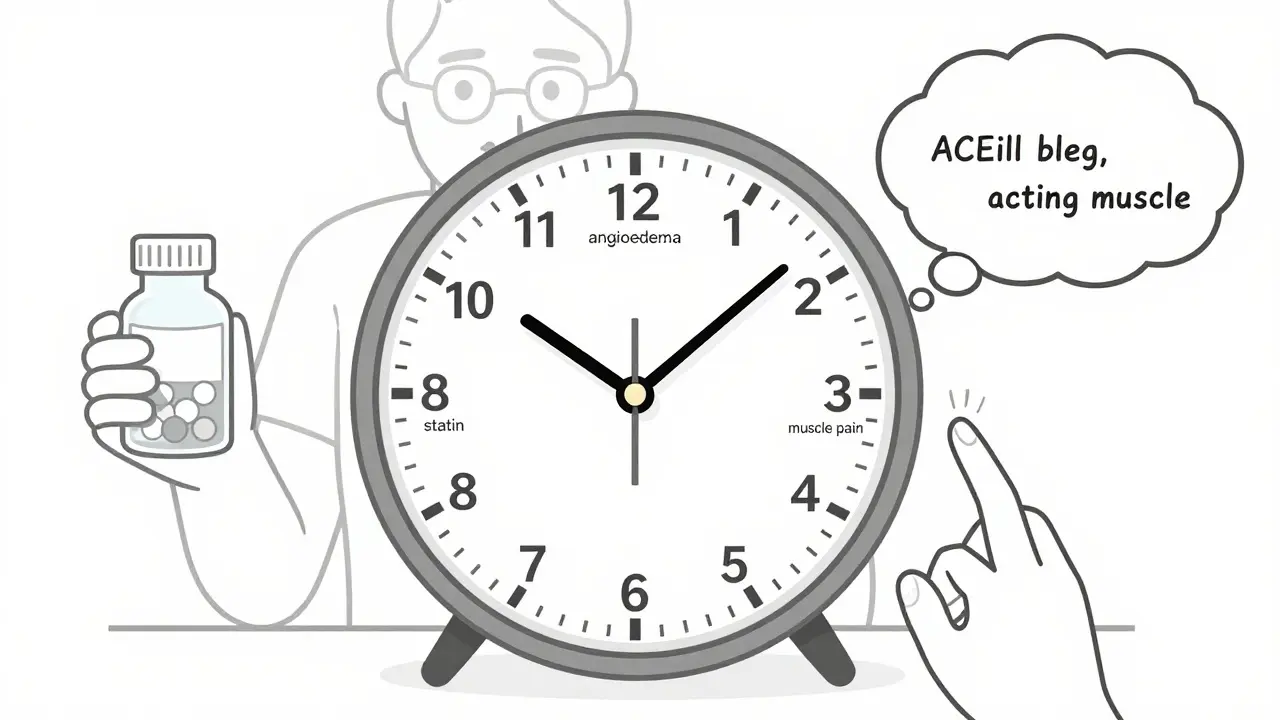
Some side effects are like a light switch-they flip on fast. These usually come from direct chemical reactions or immune responses. Angioedema from ACE inhibitors is a classic example. If you’re taking lisinopril or enalapril and your lips or tongue swell up, it could be this. But here’s the catch: it doesn’t always happen right away. Histamine-related angioedema shows up within hours. But the bradykinin type-caused by ACE inhibitors-can take anywhere from one week to six months. One patient reported severe swelling four months after starting the drug. Her doctor didn’t connect it until she found the research herself. Antibiotics like ciprofloxacin are another fast actor. Peripheral nerve damage (tingling, burning, numbness) hits a median of just two days after starting. And it hits women faster than men-2 days vs. 4 days on average. If you’re on cipro and feel odd sensations in your hands or feet within 48 hours, don’t brush it off. This isn’t normal muscle soreness. It’s a known reaction with a clear timeline. Acetaminophen overdose is a medical emergency. Unlike most drugs, it doesn’t wait. Liver damage can begin within 24 hours. That’s why taking more than recommended-even just a few extra pills-can be deadly.Delayed Reactions: Weeks to Months
Not all side effects rush in. Some sneak up slowly, making them easy to ignore. Statins like atorvastatin or simvastatin are often blamed for muscle pain. But here’s the twist: studies show that in people who think they’re intolerant, half report improvement within three days of stopping-even if they were given a placebo. That points to the nocebo effect: the expectation of side effects makes you feel them. Still, true statin myopathy does occur. When it does, it usually shows up between one and four weeks. If you’ve been on statins for months without issue and suddenly feel like you’ve been hit by a truck, it’s worth talking to your doctor. Antiepileptics like pregabalin and gabapentin cause dizziness, fatigue, and brain fog. Most people notice these within the first week. But the median time to onset is 19 days for pregabalin and 31 days for gabapentin. That means if you’ve been taking it for three weeks and suddenly feel foggy, it’s likely the drug-not your job stress. Drug-induced hepatitis from medications like methotrexate or certain antibiotics can take 20 to 117 days to appear. The median? 42 days. That’s almost six weeks. If you’re on a long-term medication and suddenly feel tired, yellow, or have dark urine, don’t assume it’s the flu. Get your liver checked.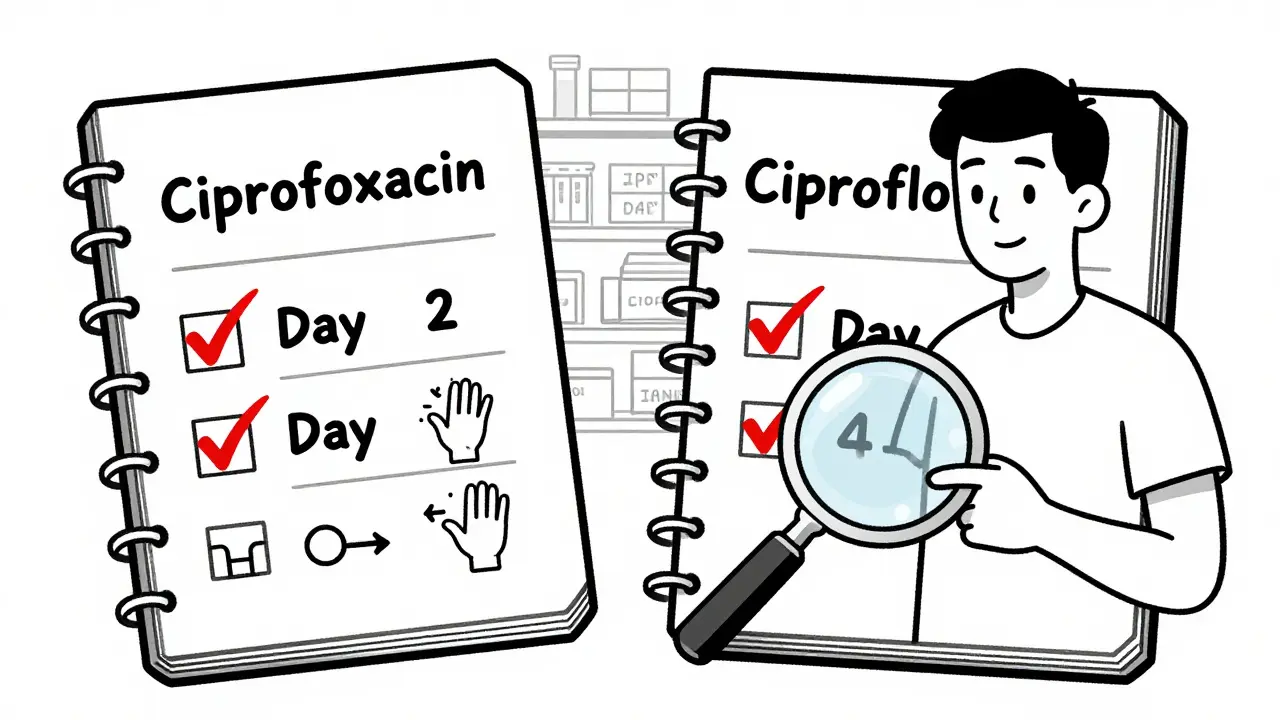
Long-Term Triggers: Months to Years
Some reactions are so slow they look like aging or disease progression. Natalizumab, used for multiple sclerosis, can cause peripheral neuropathy. The median time to onset? 141.5 days-almost five months. Patients often think their MS is worsening, not realizing the drug is the culprit. This delay makes diagnosis tricky. Interferon beta-1a, another MS drug, has the longest recorded median time-to-onset for nerve damage: 526.5 days. That’s over a year and a half. If you’ve been on this drug for 18 months and start feeling numbness, it’s not too late to connect the dots. These patterns aren’t random. They’re shaped by how the drug works in your body. Some build up slowly. Others trigger immune changes over time. That’s why knowing the drug class matters more than just the brand name.How Doctors Use This Info
Hospitals and clinics aren’t just guessing anymore. Systems like Epic now use algorithms to flag side effects based on timing. Mayo Clinic saw a 22% increase in detecting drug reactions after adding time-to-onset rules to their alerts. The FDA requires that any reaction happening within 30 days of starting a drug gets special review. That’s because early reactions are more likely to be drug-related. Pharmacovigilance teams at drug companies use statistical models-like the Weibull distribution-to predict when side effects are likely to appear. This isn’t science fiction. It’s standard practice in Europe, where all new drug applications must include this analysis since 2020. In the U.S., adoption is slower, but growing.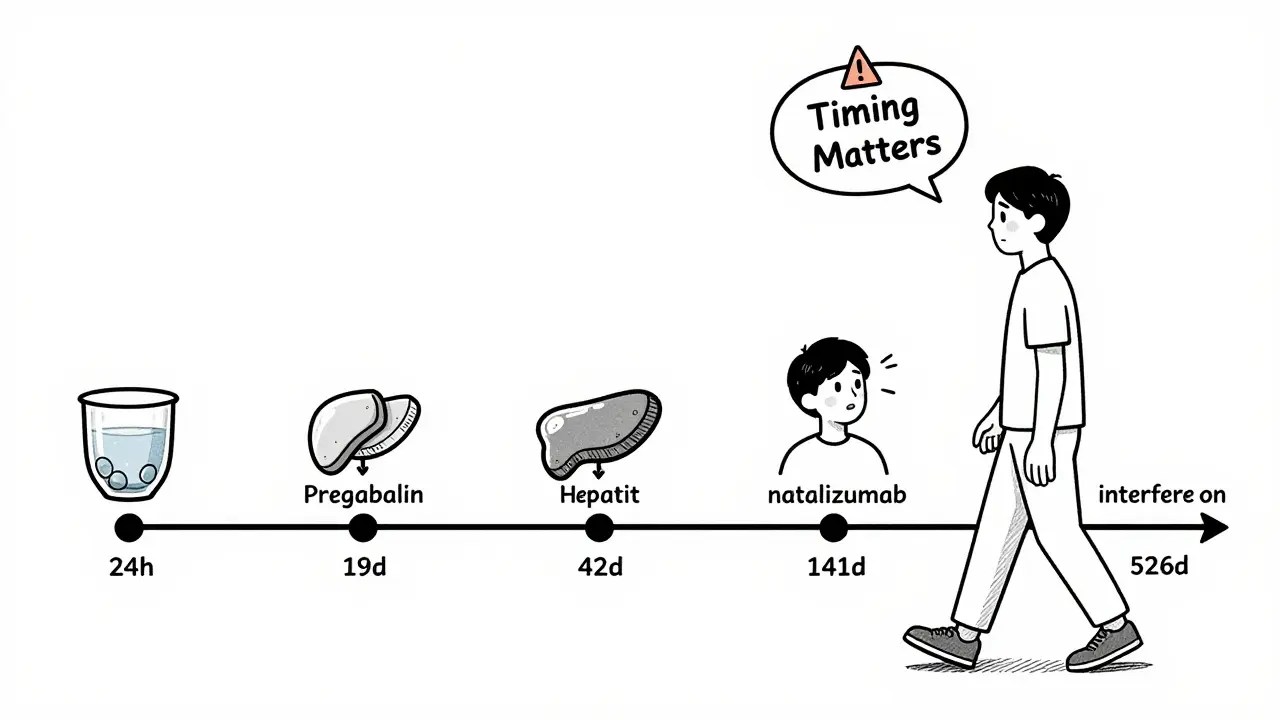
What You Can Do
You don’t need to be a doctor to use this knowledge. Here’s how to protect yourself:- Write down when you started each medication. Keep a simple log: drug name, dose, start date.
- Track new symptoms. Note when they started, how bad they are, and if anything makes them better or worse.
- Know the common timelines for your drug class. If you’re on an antibiotic, watch the first 72 hours. If you’re on a statin, pay attention to weeks 2-4. If you’re on an MS drug, be alert past the six-month mark.
- Don’t assume it’s "just aging" or "stress." If something new shows up after starting a drug, consider the medication first.
- Ask your pharmacist. They know the timing patterns better than most doctors.
What Doesn’t Work
Just because a side effect shows up after you start a drug doesn’t mean it’s caused by the drug. Timing is a clue, not proof. Dr. David Healy warns that correlation isn’t causation. A headache that starts the day you begin a new pill might be from lack of sleep, not the pill. Also, don’t stop medication without talking to your doctor. Stopping suddenly can be dangerous. If you suspect a side effect, document it, then call your provider. They can help you decide if it’s worth switching, reducing the dose, or monitoring.The Bigger Picture
This isn’t just about avoiding discomfort. Understanding time-to-onset helps prevent serious harm. Delayed liver damage, nerve injury, or autoimmune reactions can become permanent if missed. And with more people taking multiple drugs, the risk of hidden interactions grows. New tools are coming. The NIH’s All of Us program plans to include genetic data in time-to-onset models by mid-2025. Imagine a future where your phone alerts you: "Your gene variant makes you more likely to develop nerve issues from this drug after 45 days. Talk to your doctor." That’s not far off. For now, the best tool you have is awareness. Know your drugs. Know your body. Know the clock.How soon after starting a medication do side effects usually appear?
Most side effects show up within the first few days or weeks. About 78% occur early, often within 30 days. But some drugs, like interferon beta-1a or ACE inhibitors, can cause reactions weeks, months, or even over a year after starting. Timing depends on the drug class and how your body processes it.
Can a side effect start months after taking a drug?
Yes. Drugs like natalizumab (for MS) can cause nerve damage after 141 days on average. Interferon beta-1a has been linked to side effects appearing after 526 days-over a year and a half. ACE inhibitors can trigger angioedema as late as six months after starting. These delayed reactions are often missed because they don’t fit the "immediate side effect" expectation.
Are statins really to blame for muscle pain?
Sometimes, but not always. In one major study, 55% of people who thought they couldn’t tolerate statins felt better within three days of stopping-even when they were given a placebo. This suggests a strong nocebo effect. True statin-related muscle pain usually starts between one and four weeks after starting. If you’ve been on statins for months without issues and suddenly feel pain, it’s worth checking.
Why do women experience side effects faster than men with some drugs?
Research shows women metabolize some drugs differently due to body composition, hormone levels, and enzyme activity. For example, ciprofloxacin-induced nerve damage hits women at a median of 2 days, while men experience it at 4 days. This isn’t rare-it’s been confirmed in multiple studies. Sex-specific timing is now part of modern pharmacovigilance.
What should I do if I think a drug is causing a side effect?
Don’t stop the drug on your own. Write down when you started the medication and when the symptom began. Note the severity and any triggers. Contact your doctor or pharmacist. They can check if the timing matches known patterns and decide whether to adjust your treatment. Keeping a symptom log helps them make faster, better decisions.
Is there a way to predict my personal risk for delayed side effects?
Not yet for most people, but it’s coming. The NIH’s All of Us program plans to use genetic data to predict individual timing risks by mid-2025. Right now, the best predictor is knowing your drug class and its typical onset window. Pharmacists can help you understand your specific drug’s pattern based on current research.

10 Comments
Aurora Daisy
December 24 2025
Oh wow, another article that treats patients like lab rats with ticking clocks. Next they’ll be giving us a spreadsheet for when our existential dread is ‘medication-induced.’
Georgia Brach
December 26 2025
The data is statistically significant but clinically meaningless without individualized pharmacogenomic profiling. This kind of population-level generalization is precisely why we have iatrogenic harm in primary care.
niharika hardikar
December 27 2025
It is imperative to underscore that the temporal dynamics of adverse drug reactions are governed by complex pharmacokinetic and pharmacodynamic interactions, which are often confounded by polypharmacy and comorbid metabolic phenotypes. A reductionist approach to onset windows risks misattribution and undermines evidence-based clinical decision-making.
siddharth tiwari
December 27 2025
u think this is all legit? i read somewhere the fda and big pharma push these timelines so ppl dont blame the drugs. they want u to think its just ‘aging’ or ‘stress’ so they keep sellin pills. my uncle died from statin liver damage and doc said ‘it happens’… yeah right.
Diana Alime
December 29 2025
so i started cipro for a UTI and 2 days later my feet felt like they were wrapped in tin foil?? i thought i was having a nervous breakdown. now i know it was the drug?? thanks for the trauma dump, i guess??
Payson Mattes
December 29 2025
you ever wonder why all these timelines match up with when insurance stops covering the drug? i mean, look at natalizumab - 141 days? that’s exactly when your 90-day supply runs out and they make you reapply. coincidence? nah. they’re engineering the delay so you don’t connect the dots until it’s too late to sue.
Adarsh Dubey
December 29 2025
Interesting breakdown. I’ve seen both sides - a friend had statin myopathy at 3 weeks, another had brain fog from gabapentin at 5 weeks. Timing helps, but the body’s not a clock. Listening to patients still matters more than any algorithm.
Bartholomew Henry Allen
December 30 2025
Medical science in America is failing because we let laypeople interpret pharmacokinetic data. The FDA’s 30-day rule exists for a reason. Trust the system or get off the internet.
Jeffrey Frye
January 1 2026
the whole thing feels like a marketing tactic disguised as education. statins dont cause muscle pain? sure. and i dont get migraines when i drink wine. just keep taking the pills. also the author spelled ‘bradykinin’ wrong in the first paragraph. minor, but still.
Andrea Di Candia
January 1 2026
It’s beautiful how much we’ve learned about timing - and yet, the most powerful tool we have is still patience, awareness, and talking to someone who listens. You don’t need an algorithm to know when something feels wrong in your body. Just don’t ignore it.