
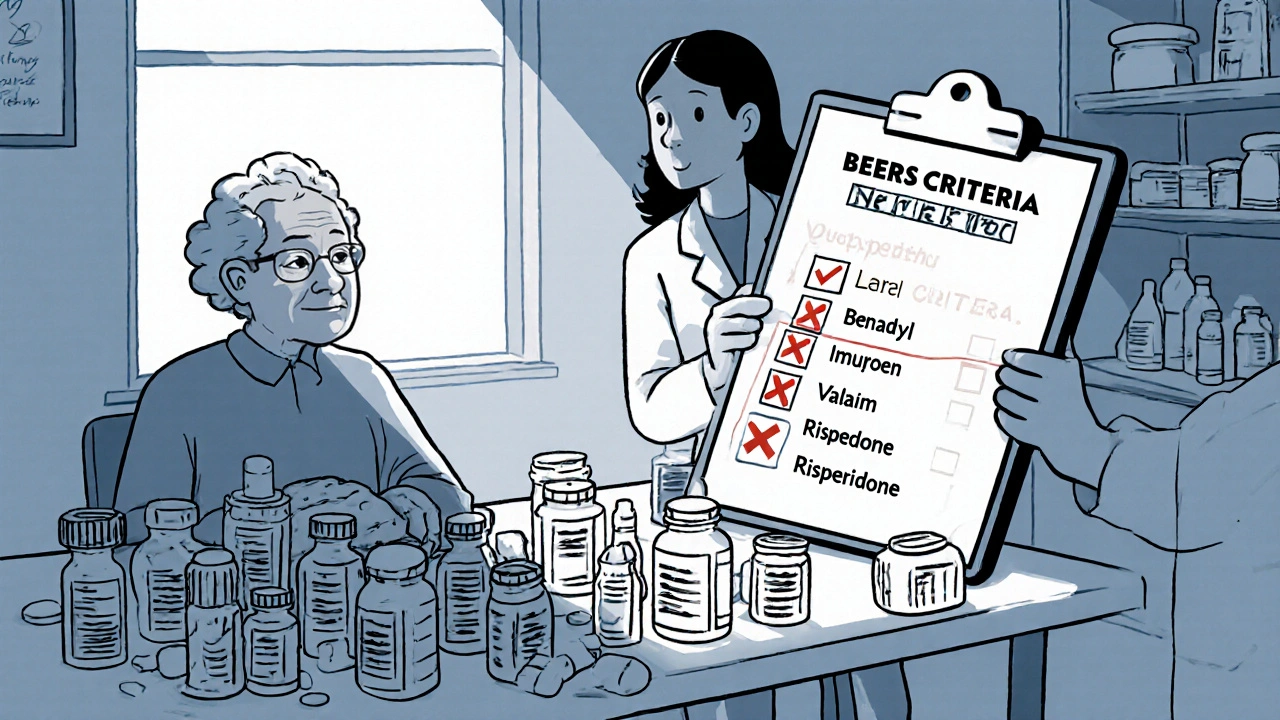
Every year, thousands of older adults end up in the hospital because of a medication that shouldn’t have been prescribed in the first place. It’s not always a mistake - sometimes it’s just how things have always been done. But for people over 65, the risks of certain drugs are higher, and the benefits are often lower. That’s where the Beers Criteria comes in. It’s not a law. It’s not a ban. It’s a clear, evidence-based guide that tells doctors and pharmacists: these drugs can hurt more than help in seniors.
What Exactly Is the Beers Criteria?
The Beers Criteria is a living list of medications that should be avoided or used with extreme caution in adults aged 65 and older. It was first created by Dr. Mark Beers in 1991, but it wasn’t until 2011 that the American Geriatrics Society (AGS) officially took it over and turned it into a trusted clinical tool. Since then, it’s been updated every three years. The latest version came out in May 2023, after reviewing over 7,300 studies - more than 20% higher than the previous update. This isn’t just a list of bad drugs. It’s a detailed framework that breaks down medications into five categories:- Drugs that are generally inappropriate for older adults
- Drugs to avoid if you have certain health conditions
- Drugs that need extra caution
- Harmful drug combinations
- Drugs that need dose changes if kidneys aren’t working well
Common Medications on the Beers List
Some of the most widely prescribed drugs for seniors are on this list. That’s what makes it so important - and so surprising to many people. First-generation antihistamines like diphenhydramine (Benadryl) and hydroxyzine are still sold over the counter as sleep aids or allergy meds. But they’re strong anticholinergics. That means they block a brain chemical called acetylcholine, which can cause confusion, memory problems, dry mouth, constipation, and even urinary retention. In older adults, these side effects aren’t just annoying - they can lead to falls, hospital stays, and faster cognitive decline. Nonsteroidal anti-inflammatory drugs (NSAIDs) like ibuprofen and naproxen are often used for arthritis pain. But if someone has heart failure, kidney disease, or high blood pressure, these drugs can make those conditions worse. A 2023 study found that NSAID use in seniors with heart failure increased hospital admissions by 38% compared to those who avoided them. Benzodiazepines like lorazepam (Ativan) and diazepam (Valium) are prescribed for anxiety or insomnia. But they slow down the central nervous system. In older adults, that means dizziness, confusion, and a much higher risk of falls - which are the leading cause of injury-related death in people over 65. One study showed that seniors on benzodiazepines were 70% more likely to fall than those not taking them. Antipsychotics like risperidone and haloperidol are sometimes used off-label for agitation in dementia. But they carry a black box warning from the FDA: they can increase the risk of stroke and death in elderly patients with dementia-related psychosis. The Beers Criteria says avoid them unless there’s no other option - and even then, use the lowest dose for the shortest time possible.Why the Beers Criteria Matters
Older adults make up just 13.5% of the U.S. population, but they take 34% of all prescription medications. That’s because they often have multiple chronic conditions - diabetes, arthritis, high blood pressure, heart disease - and each one comes with its own drug. The average senior takes five to seven prescriptions daily. That’s called polypharmacy, and it’s a recipe for trouble. About 23% of older adults living at home are taking at least one medication flagged by the Beers Criteria. And it’s not just about side effects - it’s about cost, confusion, and quality of life. A 2023 report from the CDC found that 15% of hospital admissions for seniors are caused by medication problems. Many of those could have been prevented. The Beers Criteria helps cut through the noise. It gives providers a clear checklist to ask: Is this drug still necessary? Is there a safer alternative? Are we treating the symptom or the cause?How It Compares to Other Tools
There’s another major tool called STOPP/START, popular in Europe. It’s more condition-focused - it says, “If someone has heart failure, don’t give NSAIDs,” rather than just saying “NSAIDs are bad.” That makes it more nuanced. But the Beers Criteria is simpler to use in busy clinics, and it’s built into most U.S. electronic health records. In fact, 87% of U.S. healthcare systems have Beers Criteria alerts in their systems. That’s compared to just 42% in Europe using STOPP/START. Medicare Part D also requires pharmacies to check prescriptions against the Beers Criteria for patients taking eight or more drugs. That’s a big reason why it’s so dominant here. But it’s not perfect. The Beers Criteria can flag a drug that’s actually appropriate for a specific person. For example, an antipsychotic might be the only thing that keeps a dementia patient from hurting themselves or others. That’s why it’s not a rulebook - it’s a guide. The goal isn’t to eliminate every flagged drug. It’s to make sure the decision to use it is intentional, informed, and monitored.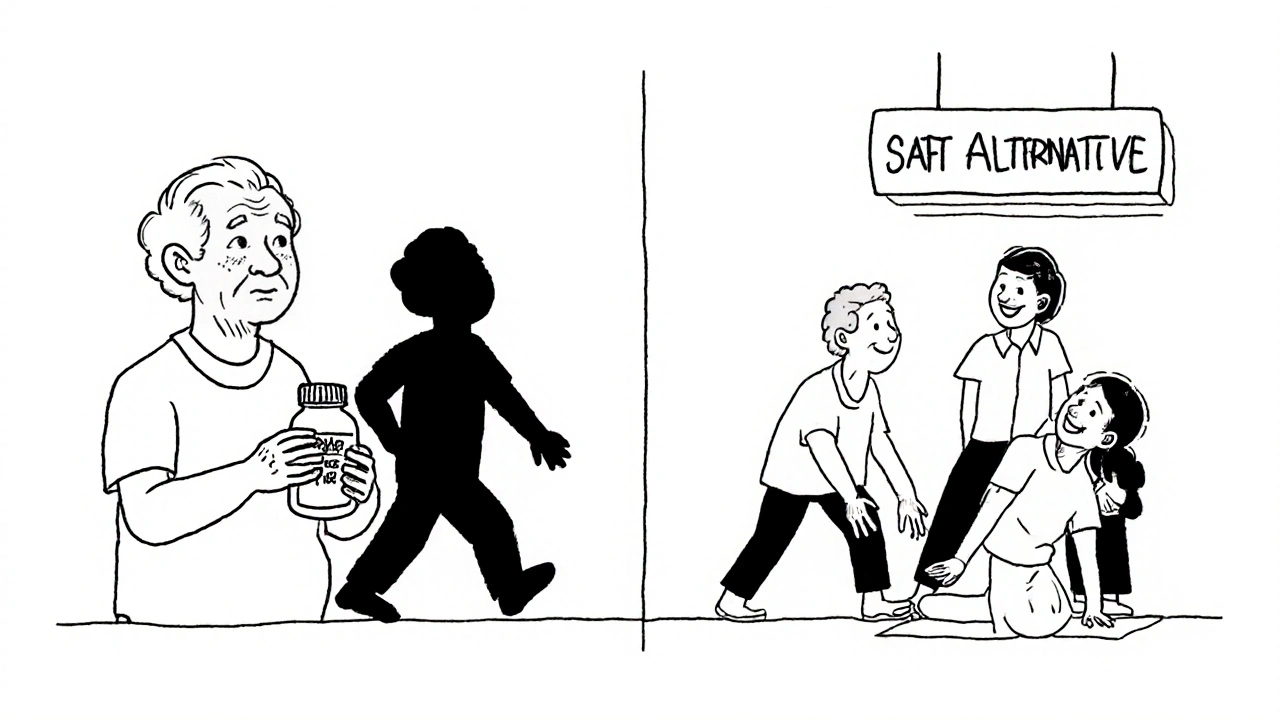
Real Impact: What Happens When It’s Used
When clinics actually use the Beers Criteria - not just as a pop-up alert, but as part of their routine review process - things change. One study showed that when pharmacists reviewed medications using the criteria, they reduced inappropriate prescribing by 28%. In another, a hospital system saw a 43% drop in benzodiazepine prescriptions for seniors over 75 after adding Beers alerts to their EHR. The American Medical Association found that practices using the criteria saw a 19% drop in inappropriate prescribing within two years. That’s not just numbers - it’s fewer falls, fewer ER visits, fewer hospital stays. But there’s a catch. Many doctors say they get overwhelmed by alerts. One survey found that primary care providers see an average of 12 Beers-related alerts per patient visit. That leads to “alert fatigue” - where important warnings get ignored because there are too many. The solution? Don’t rely on alerts alone. The most successful clinics have pharmacists leading medication reviews. They sit down with patients, go through every pill, and ask: “Why are you taking this? Has it helped? Are you having side effects?”What Are the Alternatives?
The 2023 update included something new: the Alternative Treatments List. For every flagged drug, it suggests safer options. Instead of diphenhydramine for sleep, try cognitive behavioral therapy for insomnia (CBT-I). It’s just as effective, without the brain fog. Instead of NSAIDs for joint pain, consider physical therapy, weight loss, or acetaminophen (with caution - it has its own risks too). Instead of antipsychotics for agitation, try music therapy, structured routines, or reducing environmental triggers like noise and clutter. These aren’t just “nice to have” ideas. They’re backed by studies showing real improvement in symptoms, without the dangerous side effects.Challenges and Gaps
The Beers Criteria doesn’t talk about cost. And that’s a big problem. For many seniors, the “safe” alternative might be too expensive. A $100-a-month drug might be better than a $300 one - even if the cheaper one is flagged. A 2023 study in JAMA Internal Medicine pointed out that 25% of Medicare patients skip doses because they can’t afford their meds. The Beers Criteria doesn’t help with that. Also, 63% of essential medications on the list have no affordable substitute in low-income countries. That’s why global adoption is still limited. Another gap? Renal dosing. Only 68% of drugs that leave the body through the kidneys have clear dosage adjustments in the 2023 version. The 2026 update plans to fix that.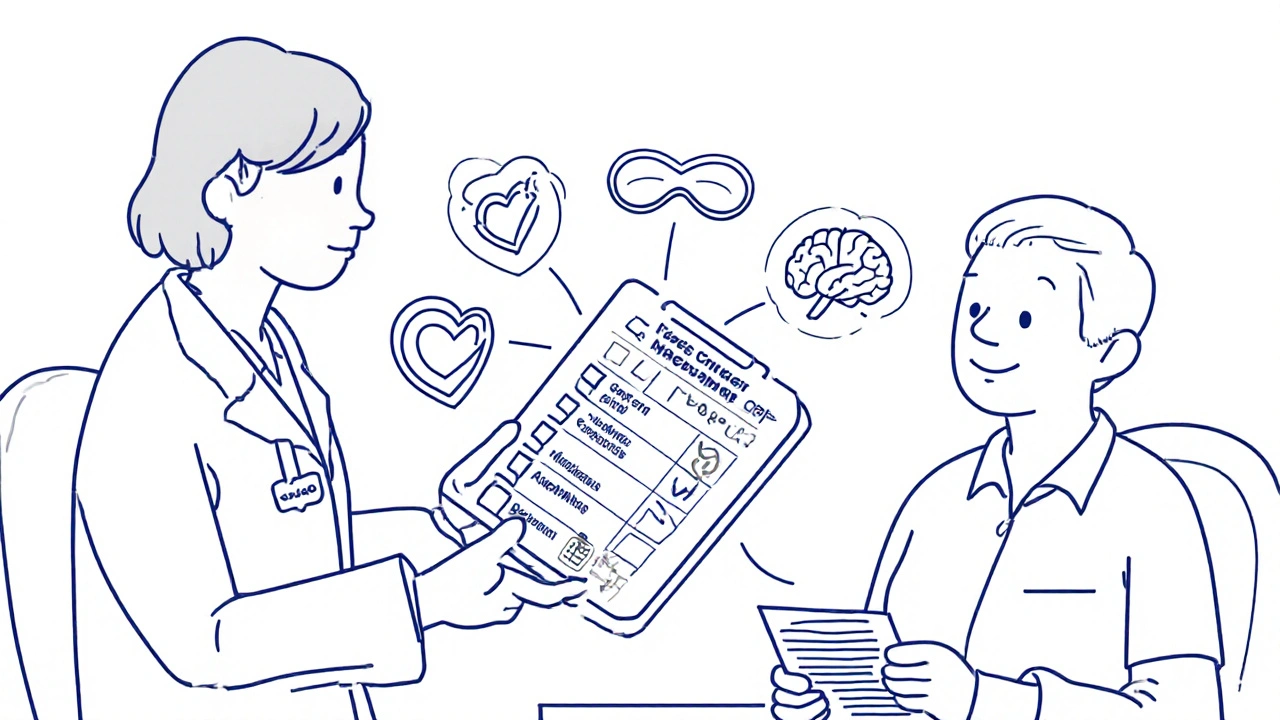
How to Use It - For Patients and Providers
If you’re a senior or caring for one, ask your doctor or pharmacist: “Am I on any of the Beers Criteria drugs? Is there a safer option?” Don’t be afraid to ask for a full medication review. Bring all your pills - including vitamins and OTC meds - to your appointment. Many people don’t realize that Benadryl or melatonin can be flagged too. If you’re a provider, don’t just rely on alerts. Use the Beers Criteria as a conversation starter. Use the free AGS pocket guide or mobile app. It’s updated quarterly and saves an average of 8.2 minutes per patient. And if you’re in a clinic or hospital, push for pharmacist-led reviews. That’s where the biggest wins happen.What’s Next?
The Beers Criteria is evolving. The AGS is working with Google Health AI to build predictive models that flag patients most at risk before they even get a dangerous prescription. The 2026 update will expand kidney dosing guidance to cover every drug that leaves the body through the kidneys. Meanwhile, pharmaceutical companies are developing new drugs designed specifically for older adults - ones that avoid the pitfalls of older medications. The market for these “senior-friendly” drugs is expected to hit $84 billion by 2027. But technology alone won’t fix this. The real change comes when doctors, pharmacists, and patients start talking - honestly - about what’s working, what’s not, and what’s worth the risk.Final Thoughts
The Beers Criteria isn’t about taking away medications. It’s about making sure the right ones are still being used - and that the wrong ones are replaced with something better. It’s about dignity. It’s about safety. It’s about helping older adults live longer, healthier lives - not just survive on a pile of pills. And if you’re over 65, or caring for someone who is - don’t wait for your doctor to bring it up. Ask about it. Your life could depend on it.What is the Beers Criteria for seniors?
The Beers Criteria is a list of medications that are potentially unsafe for adults aged 65 and older because the risks outweigh the benefits. Developed by the American Geriatrics Society, it helps doctors and pharmacists avoid drugs that can cause confusion, falls, kidney damage, or other serious side effects in older adults. It’s updated every three years based on the latest research.
Is Benadryl on the Beers Criteria list?
Yes. Diphenhydramine (Benadryl) is on the Beers Criteria list as a medication to avoid in older adults. It’s a first-generation antihistamine with strong anticholinergic effects, which can cause drowsiness, confusion, memory problems, constipation, and urinary retention. These side effects increase the risk of falls and cognitive decline in seniors. Safer alternatives include non-anticholinergic sleep aids or cognitive behavioral therapy for insomnia.
Why are NSAIDs dangerous for seniors?
NSAIDs like ibuprofen and naproxen can worsen heart failure, raise blood pressure, damage kidneys, and increase the risk of stomach bleeding - all of which are more common in older adults. Even short-term use can lead to hospitalization. The Beers Criteria recommends avoiding NSAIDs in seniors with heart failure, kidney disease, or a history of ulcers. Acetaminophen (with dose limits) or non-drug options like physical therapy are often better choices.
Do Medicare plans use the Beers Criteria?
Yes. Since 2024, Medicare Part D requires all prescription drug plans to use the Beers Criteria in their medication therapy management programs for dual-eligible beneficiaries (those on both Medicare and Medicaid). Pharmacists must review prescriptions for seniors taking eight or more medications and flag any Beers-listed drugs. This is meant to reduce adverse drug events and hospitalizations.
Can a senior still take a Beers Criteria drug if needed?
Yes. The Beers Criteria is not a strict ban - it’s a warning. Sometimes, a flagged medication is still the best option for a specific patient, such as using an antipsychotic to prevent harm in severe dementia-related agitation. The key is that the decision must be intentional, documented, and regularly reviewed. The goal is to avoid unnecessary use, not to eliminate all use.
Are there safer alternatives to Beers-listed drugs?
Yes. The 2023 update included a list of 147 evidence-based alternatives. For sleep problems, cognitive behavioral therapy (CBT-I) is more effective than benzodiazepines. For joint pain, physical therapy and weight management often work better than NSAIDs. For anxiety, non-drug approaches like mindfulness or social engagement can help. Even when drugs are needed, safer options exist - like using low-dose trazodone instead of benzodiazepines for sleep, or gabapentin with proper kidney adjustment instead of older anticonvulsants.

13 Comments
Ginger Henderson
November 27 2025
I swear, every time I see one of these lists, they just take away everything that works. My grandma takes Benadryl to sleep and she’s fine. Why does everyone act like old people are fragile glass statues?
Amanda Meyer
November 27 2025
The Beers Criteria represents a critical evolution in geriatric pharmacotherapy. While its implementation is not without logistical challenges-particularly in primary care settings where alert fatigue is pervasive-the evidence base supporting its recommendations is robust and longitudinal. The omission of socioeconomic variables, however, remains a significant limitation in equitable application.
Jesús Vásquez pino
November 29 2025
Look, I get it. But you know what’s worse than a flagged drug? A doctor who doesn’t listen. I’ve seen patients get kicked off meds they’ve been on for 15 years because some algorithm says so. No one asks if it’s helping them walk, eat, or sleep. That’s not medicine. That’s checkbox healthcare.
hannah mitchell
November 30 2025
My mom’s pharmacist flagged her NSAIDs last year. We switched to physical therapy and she’s been sleeping better. No more stomach issues. Just saying - it’s not always about the drug, it’s about the plan.
vikas kumar
December 1 2025
In India, many elders take aspirin daily for heart health. We don’t have access to fancy alternatives. The Beers list is great - but it’s useless if you can’t afford the replacement. Safety means nothing if you’re choosing between medicine and food.
stephen riyo
December 2 2025
I’m just saying... if the Beers Criteria is so great, why do so many doctors ignore it? And why do pharmacies still fill prescriptions for diphenhydramine like it’s candy? It’s not the list that’s broken-it’s the system.
Dan Rua
December 4 2025
This is actually really helpful 😊 I showed it to my dad’s doctor and we cut out his nighttime benzos. He’s been more alert and hasn’t fallen once in 6 months. Thank you for sharing this!
Mqondisi Gumede
December 6 2025
America thinks it can fix everything with a checklist. In South Africa we don’t have EHR alerts. We have grandmas taking 7 pills because no one checked if they still needed them. The real problem isn’t the Beers list - it’s that we treat old people like a problem to be managed not a person to be cared for
Albert Guasch
December 8 2025
The application of the Beers Criteria within the framework of polypharmacy management constitutes a paradigmatic shift in geriatric clinical decision-making. The empirical validation of reduced adverse drug events, particularly in institutionalized populations, substantiates its utility as a standardized clinical benchmark. Further integration into longitudinal care pathways is not merely advisable-it is imperative.
Bethany Buckley
December 8 2025
The 2023 iteration of the Beers Criteria represents a triumph of evidence-based gerontology over anecdotal clinical inertia. However, the continued reliance on pharmacological interventions-even when alternatives like CBT-I or non-pharmacological agitation management are superior-reveals a systemic epistemic failure in how we conceptualize aging. We medicate decline instead of reimagining care.
Stephanie Deschenes
December 8 2025
I’m a geriatric pharmacist and I use this daily. The biggest win? When patients say, 'I didn’t know I didn’t need this.' The real magic happens when we sit down with them, not when the EHR pings. Bring your pills. Ask why. You might be surprised.
Cynthia Boen
December 10 2025
So what? My uncle takes Valium and he’s fine. Stop trying to control what old people take. It’s not your business.
Michael Collier
December 11 2025
The Beers Criteria, as a clinically validated instrument, serves as a necessary corrective to the historical overprescription of high-risk medications in elderly populations. Its adoption by Medicare Part D and integration into electronic health record systems reflects a maturation of geriatric care standards. However, its efficacy is contingent upon clinician engagement, not algorithmic compliance. The most successful interventions involve multidisciplinary review teams, particularly pharmacists, who engage patients in shared decision-making. We must move beyond passive alert systems and toward active, human-centered medication reconciliation.