
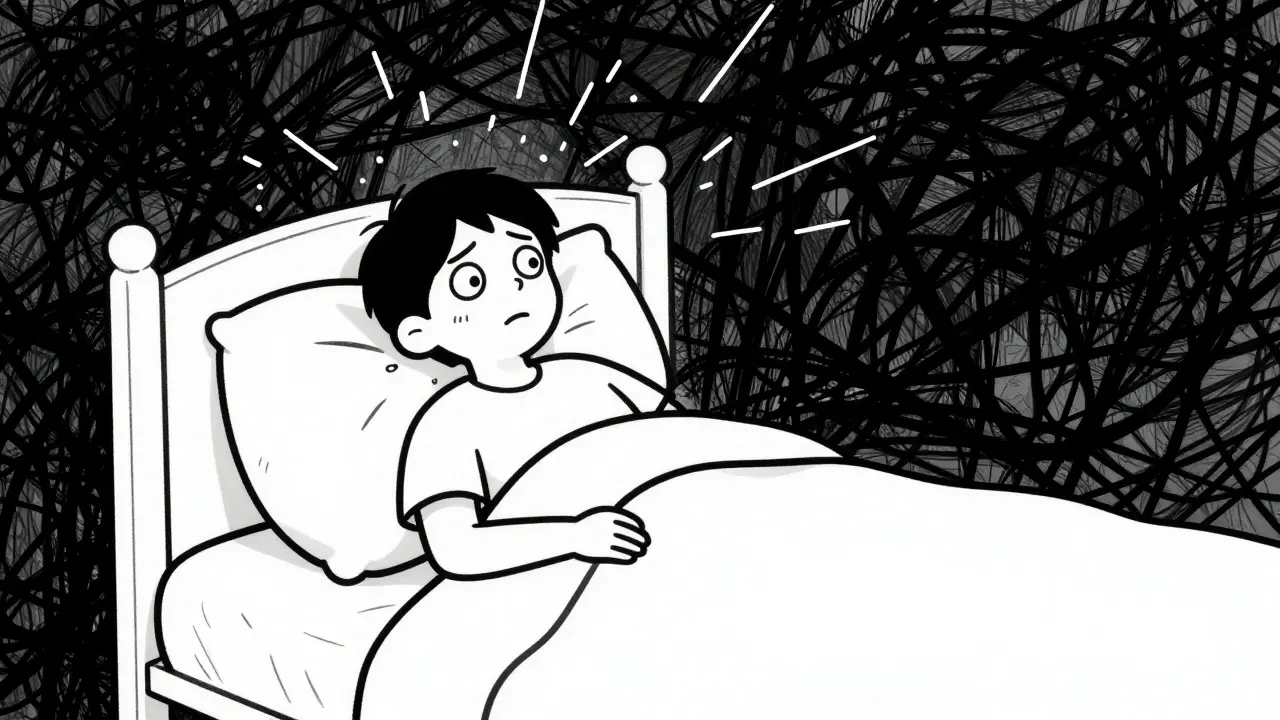
Waking up gasping for air, heart pounding, trapped in the replay of a traumatic event you thought was behind you-this is the nightly reality for many people living with Post-Traumatic Stress Disorder, also known as PTSD. For these individuals, sleep isn't a refuge; it's another battlefield. Up to 72% of people with PTSD suffer from recurrent, distressing nightmares that disrupt their rest and reinforce their trauma symptoms (Leskin et al., 2002). While traditional talk therapies help manage daytime anxiety, they often fail to touch this specific night-time symptom cluster. This is where Imagery Rehearsal Therapy, or IRT, steps in. IRT is a targeted cognitive-behavioral intervention designed specifically to rewrite the script of your nightmares, turning them from terrifying replays into manageable, even neutral, dreams.
Developed in the early 2000s by researchers like Krakow and Hollifield, IRT has evolved from an experimental protocol to a gold-standard treatment. In 2010, the American Academy of Sleep Medicine designated IRT as a first-line psychological treatment for nightmare disorder, placing it on equal footing with medications but prioritizing it due to its non-pharmacological nature. Recent meta-analyses confirm its power, showing large effect sizes in reducing nightmare frequency (d = 1.24) and improving overall sleep quality (d = 0.98). But how does it actually work, and can you do it yourself?
How Imagery Rehearsal Therapy Works
At its core, IRT is based on the principle of "rehearsal." Just as actors practice lines to change the outcome of a play, IRT asks you to practice a new ending for your recurring nightmare while you are awake. The theory suggests that by repeatedly visualizing a less distressing version of the dream, you weaken the neural pathways associated with the original traumatic imagery and strengthen new, safer associations. It’s not about erasing the memory of the trauma-that’s impossible and unnecessary-but about changing the emotional charge and narrative structure of the dream itself.
The process is surprisingly simple yet requires discipline. It doesn’t involve digging deep into childhood wounds during the session itself. Instead, it focuses on the immediate symptom: the nightmare. By addressing the nightmare directly, IRT helps break the cycle of fear surrounding sleep. When you stop fearing the night, your sleep architecture begins to repair itself, which in turn reduces daytime PTSD symptoms like hypervigilance and irritability.
The Four-Step IRT Protocol
To get the most out of Imagery Rehearsal Therapy, consistency is key. Most clinical protocols recommend practicing this routine nightly for 4 to 6 weeks. Here is the standard step-by-step approach used by clinicians:
- Write Down the Nightmare: Keep a notebook and pen by your bedside. As soon as you wake up from a nightmare, write down the details while they are fresh. Focus on the sequence of events, the setting, and the emotions you felt. Avoid using electronic devices like phones or tablets at this stage, as the blue light can suppress melatonin and make it harder to return to sleep.
- Create a New Ending: Once you’ve written the original script, create a revised version. Change one element of the dream to make it less threatening or more empowering. You don’t need to turn a tragedy into a comedy; just shift the outcome so that you feel safe or in control. For example, if you are being chased, imagine finding a locked door or flying away. The goal is to reduce distress, not necessarily to be realistic.
- Rehearse the New Script During the Day: Set aside 5 to 10 minutes during the day to close your eyes and visualize the new dream scenario. Imagine the sights, sounds, and feelings of the revised ending clearly. Do this once or twice daily. This mental rehearsal helps encode the new narrative into your memory.
- Practice Before Bed: Right before you go to sleep, read your new script again and visualize it briefly. Combine this with relaxation techniques like Progressive Muscle Relaxation to signal to your body that it is time to rest. Then, let go and allow sleep to come naturally.

IRT vs. Medication: What Does the Evidence Say?
For years, doctors prescribed Prazosin, an alpha-1 blocker originally designed for high blood pressure, to treat PTSD-related nightmares. It seemed to work for many veterans and civilians. However, a major turning point occurred in 2018 when the U.S. Department of Veterans Affairs conducted a massive Cooperative Studies Program trial involving 304 military veterans. The results were startling: Prazosin performed no better than a placebo in reducing nightmare frequency or improving sleep quality (Research.va.gov, 2019).
| Treatment Type | Mechanism | Efficacy Evidence | Side Effects |
|---|---|---|---|
| Imagery Rehearsal Therapy (IRT) | Cognitive restructuring of dream content | Large effect size (d=1.24); sustained benefits at 6-12 months | Minimal; occasional temporary increase in dream vividness |
| Prazosin | Blood pressure medication blocking adrenaline effects | No better than placebo in large 2018 VA trial | Dizziness, low blood pressure, dry mouth |
| Venlafaxine | Serotonin-norepinephrine reuptake inhibitor (SNRI) | Moderate efficacy for general PTSD; less specific for nightmares | Nausea, insomnia, withdrawal symptoms |
This failure of pharmacological options has shifted the clinical consensus firmly toward behavioral interventions. Dr. Murray Raskind, a leading researcher in this field, noted that the prazosin trial’s results make behavioral therapy like IRT the "treatment of choice" for nightmare disorder. Unlike pills, IRT addresses the root psychological mechanism of the nightmare without introducing chemical side effects. Furthermore, studies show that combining IRT with Cognitive Behavioral Therapy for Insomnia (CBT-I) can produce even greater improvements in overall sleep quality (d = 1.42), though IRT alone remains highly effective for the nightmares themselves.
Overcoming Common Barriers to Success
Starting IRT isn’t always straightforward. Many patients report feeling resistant to the idea of "changing" a memory that feels so real. You might worry that altering the dream dishonors the actual traumatic event or that you’re lying to yourself. Clinicians emphasize a crucial distinction: IRT targets the dream representation of the trauma, not the factual memory. Your memory of what happened remains intact and respected; only the nightly replay is being edited for safety.
Another common hurdle is perfectionism. Some people spend hours trying to craft the "perfect" new ending, which adds stress rather than relieving it. Remember, the new script doesn’t need to be logical or creative-it just needs to be less distressing. If you get stuck, try inserting a mundane interruption, like a phone ringing or a friend walking in. The goal is disruption of the threat, not artistic merit.
Consistency is the third barrier. Life gets busy, and skipping nights happens. However, research indicates that symptom improvement typically becomes noticeable after 2 to 3 weeks of consistent practice, with the most significant changes occurring between sessions 3 and 5. To stay on track, keep a simple log. Track your nightmare frequency (how many nights per week) and intensity (on a scale of 0 to 10). Seeing the numbers drop provides tangible proof that the therapy is working.
Who Is IRT Best For?
While IRT is powerful, it isn’t a magic bullet for every sleep issue. It is specifically designed for Nightmare Disorder related to trauma. If your primary issue is difficulty falling asleep (sleep onset insomnia) or waking up too early without nightmares, other treatments like CBT-I may be more appropriate. Additionally, individuals with complex trauma histories or comorbid conditions like severe depression or substance use disorders may benefit from IRT as part of a broader treatment plan, but they should not rely on it as a standalone solution.
Recent adaptations have expanded IRT’s reach. For instance, Narrative-IRT (N-IRT), which combines IRT with elements of narrative therapy, has shown promise in single-session formats, reducing nightmare frequency by over 70% in pilot studies. This makes it accessible to populations with limited resources or time, such as refugees or first responders. The flexibility of IRT allows it to be tailored to diverse cultural contexts and personal preferences, ensuring that the new dream script aligns with the patient’s values and sense of safety.
Getting Started: Practical Tips
If you decide to try IRT, start small. Don’t tackle your most horrific nightmare on day one. Begin with a recurring dream that is disturbing but manageable. Use a physical notebook and pen-there’s something grounding about handwriting that screens can’t replicate. If you find visualization difficult, describe the scene in detail instead of trying to "see" it. The brain responds to detailed sensory descriptions just as well as visual images.
Consider seeking guidance from a therapist trained in trauma and sleep medicine. While self-help IRT is possible, a professional can help you navigate resistance, ensure you’re not inadvertently re-traumatizing yourself, and integrate IRT with other therapies if needed. Organizations like the International Society for Traumatic Stress Studies provide directories of qualified providers. With the right support and consistent practice, IRT can transform your nights from a source of terror back into a place of rest.
How long does Imagery Rehearsal Therapy take to work?
Most people notice a reduction in nightmare frequency and intensity within 2 to 3 weeks of consistent nightly practice. Significant improvements are typically seen after 4 to 6 weeks. Benefits tend to sustain for 6 to 12 months after completing the protocol, though occasional booster sessions may be helpful if nightmares resurface during periods of high stress.
Can I do IRT on my own without a therapist?
Yes, IRT is often used as a self-help tool because the steps are straightforward. However, working with a trained therapist is recommended if you have complex trauma, severe PTSD, or if you find the process overwhelming. A therapist can help you craft effective scripts and address any emotional barriers that arise during the rehearsal process.
Does IRT erase memories of the traumatic event?
No, IRT does not erase memories. It specifically targets the *dream* representation of the trauma. Your factual memory of the event remains unchanged. The goal is to alter the emotional impact and narrative of the nightmare so that it no longer triggers fear and distress during sleep.
What if I can't visualize the new dream clearly?
Visualization skills vary from person to person. If you struggle to "see" the image, focus on describing the scene in detail using words. Engage other senses: imagine the sounds, smells, or physical sensations of the new ending. The brain processes detailed descriptions similarly to visual imagery, making the rehearsal effective even without strong visual pictures.
Is IRT covered by insurance?
Coverage varies by provider and plan. Since IRT is a recognized evidence-based treatment for PTSD and nightmare disorder, many insurance plans cover it when administered by a licensed mental health professional. Check with your insurer to see if cognitive-behavioral therapies for sleep disorders are included in your benefits.

9 Comments
Kenny Pines
May 10 2026
Oh great, another self-help guide telling us we can just think our way out of trauma 😒
Like sure, if you're dealing with mild stress maybe visualization helps but for actual PTSD? Please. The VA study on Prazosin showed that even meds aren't magic bullets so why would doodling in a notebook work wonders?
I'm not saying don't try it but let's not act like this is a cure-all solution. Some people need more than just rewriting their dream scripts 🙄
Liz and Nick
May 11 2026
this is such a load of crap
people with real trauma cant just write a happy ending and forget about it its insulting to everyone who has suffered
why are we pushing these fake solutions instead of proper therapy
its lazy and wrong
Brian Fibelkorn
May 12 2026
The epistemological framework underlying Imagery Rehearsal Therapy relies heavily on the assumption that cognitive restructuring can effectively modulate amygdala hyperactivity without addressing the root somatic dysregulation inherent in complex PTSD presentations. While the meta-analytic data suggests large effect sizes (d=1.24), one must critically evaluate the methodological limitations of self-report measures in assessing subjective distress reduction versus objective physiological markers of sleep architecture restoration. Furthermore, the dismissal of pharmacological interventions based solely on the 2018 VA Cooperative Studies Program trial ignores potential confounding variables such as comorbid depression or substance use disorders that may have influenced treatment response rates among veteran populations. Therefore, while IRT represents a valuable adjunctive modality within a multimodal therapeutic approach, its characterization as a standalone 'gold-standard' intervention requires significant qualification given the heterogeneity of trauma-related symptomatology across diverse clinical demographics.
David Rangkhal
May 14 2026
I respect the effort put into explaining this clearly 🙏
In India we often face similar issues with veterans returning from service and finding little support for mental health
This technique seems practical and accessible which is important when resources are limited
Hope it helps many people find peace again ✨
Sarah Kwiatkowski
May 14 2026
This is such an important topic and I love how you broke it down step by step!
I want to add that consistency really is key here. Don't beat yourself up if you miss a day or two. Just pick it back up the next night.
Also remember that healing isn't linear. There might be setbacks but that doesn't mean it's not working.
You've got this! 💪
Brian LeClercq
May 14 2026
Absolutely ridiculous notion that we should rely on psychological parlor tricks when clear pharmacological options exist. The fact that the American establishment dismissed Prazosin based on one flawed trial speaks volumes about their incompetence. We need robust medical solutions not feel-good exercises designed by bureaucrats who've never served a day in uniform. This entire approach reeks of weakness and coddling rather than genuine healing through discipline and chemical balance.
Frances Kendall
May 14 2026
Fascinating insight into the cultural adaptability of IRT mentioned in the post. As someone who works with refugee populations, I've seen how narrative elements can be integrated differently depending on cultural context. For example, in some communities, inserting a protective ancestral figure into the dream script resonates much more deeply than generic safety mechanisms like locked doors. This flexibility makes IRT particularly powerful across diverse groups. It's not just about changing the plot; it's about aligning the new narrative with personal values and spiritual beliefs. That alignment creates a stronger sense of agency and safety during the rehearsal process.
Natali Brown
May 16 2026
I completely agree with everything said here and I think it's wonderful that this information is being shared widely because so many people suffer silently without knowing there are tools available to help them cope with these terrifying experiences at night which can be incredibly isolating and draining both physically and emotionally leaving individuals feeling helpless against their own minds but with techniques like imagery rehearsal therapy there is hope for reclaiming restful sleep and reducing daytime anxiety symptoms significantly over time especially when combined with other supportive therapies and consistent practice routines tailored to individual needs and preferences
Keep sharing these helpful tips!
Kelsey Thomas
May 18 2026
Hey everyone! 👋
Just wanted to say thanks for starting this conversation. I'm curious if anyone has tried combining IRT with mindfulness meditation before bed? I find that doing a quick body scan helps me relax enough to visualize the new script better.
Would love to hear your thoughts on what works best for you! 🌙