

Ever feel like your brain is wrapped in cotton wool after taking an allergy pill? Or maybe you've stared at the pharmacy shelf and wondered why there are ten different versions of "non-drowsy" relief. Most of us just want the sneezing to stop without falling asleep at our desks. The truth is, not all antihistamines are created equal. Some are designed to knock you out, while others are built to keep you sharp while blocking those annoying triggers.
Quick Summary: Choosing Your Allergy Relief
- For maximum alertness: Fexofenadine (Allegra) has the lowest sedation risk.
- For fast, occasional relief: Diphenhydramine (Benadryl) works quickly but causes heavy drowsiness.
- For daily maintenance: Loratadine (Claritin) or Cetirizine (Zyrtec) are reliable once-a-day options.
- Timing Tip: Start your meds 1-2 weeks before pollen season hits to get ahead of the symptoms.
- Caution: Avoid first-generation options if you need to drive or operate machinery.
The Different Types of Antihistamines
Not all antihistamines target the same thing. In the medical world, we split them into H1 and H2 blockers. H1 antihistamines are what you use for allergies; they target receptors in your airways, blood vessels, and neurons. On the other hand, H2 antihistamines are for your stomach, specifically targeting cells that release acid to treat heartburn.
When you're looking for allergy relief, the H1 blockers are further divided into "generations." This isn't just about when they were invented, but how they interact with your brain.
First-Generation (The Sedating Kind)
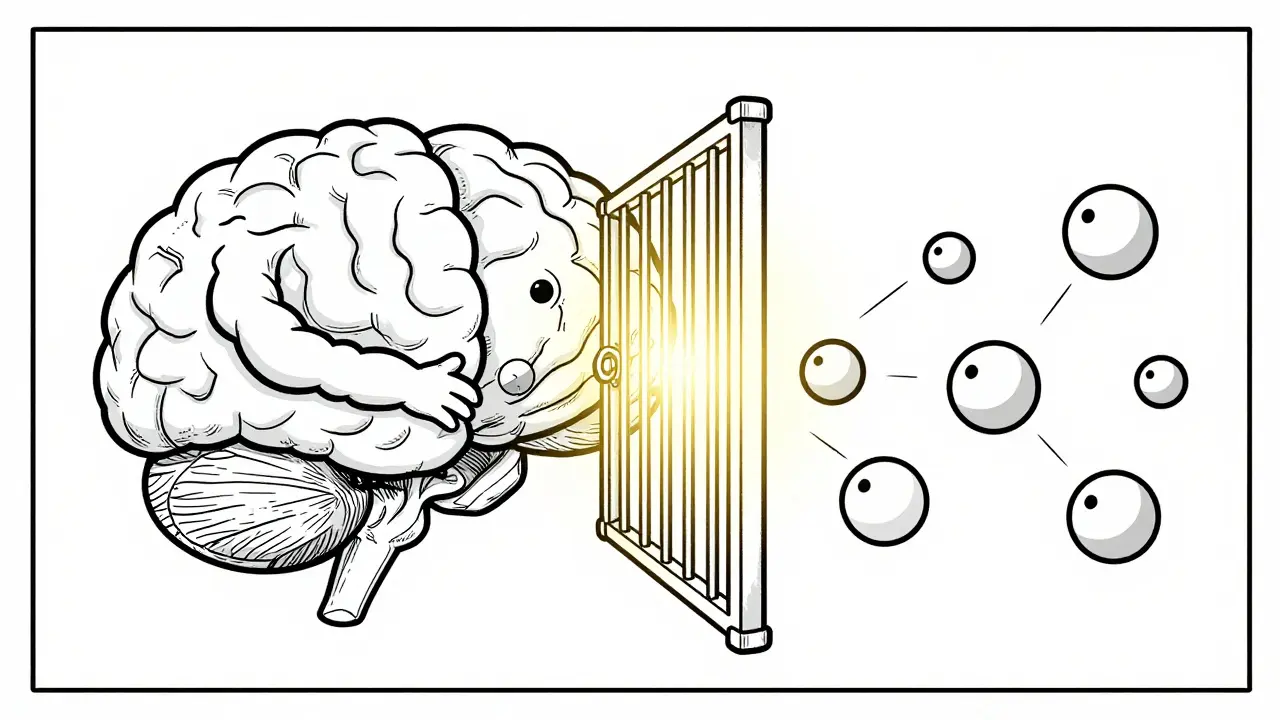
Diphenhydramine (commonly known as Benadryl) is the poster child for this group. These drugs are lipophilic, meaning they easily cross the blood-brain barrier. Once they hit your central nervous system, they bind to H1 receptors in the brain, which is why about 50% of users feel a significant "fog" or drowsiness. They are great for acute reactions or helping you sleep, but they're terrible for a workday.
Second and Third-Generation (The Non-Sedating Kind)
Modern options like Loratadine (Claritin), Cetirizine (Zyrtec), and Fexofenadine (Allegra) were designed to stay out of your brain. They don't cross the blood-brain barrier nearly as much, which means you get the allergy relief without the nap. For example, studies show fexofenadine has a tiny fraction of the brain penetration compared to older drugs like diphenhydramine.
| Medication | Generation | Sedation Risk | Onset of Action | Duration |
|---|---|---|---|---|
| Diphenhydramine | 1st | High | 15-30 mins | 4-6 hours |
| Cetirizine | 2nd | Moderate | ~1 hour | 24 hours |
| Loratadine | 2nd | Low | ~1 hour | 24 hours |
| Fexofenadine | 3rd | Very Low | 1-2 hours | 24 hours |
Side Effects and the "Drowsiness Trap"
We call them "non-drowsy," but your body's chemistry is unique. While Fexofenadine is often cited as the gold standard for alertness-with only about 6% of users reporting sleepiness-others aren't as clear-cut. Cetirizine (Zyrtec) is highly effective, but some users report a noticeable afternoon slump. In some cases, it's even been noted that cetirizine can cause mild cognitive impairment in a small percentage of people.
The real danger lies in the first-generation drugs. If you're taking diphenhydramine and then getting behind the wheel, you might be impaired as much as someone with a 0.10% blood alcohol concentration. That's why the FDA requires a warning on the label: do not operate heavy machinery if you feel drowsy. It's not just a legal disclaimer; it's a safety necessity.
Guidelines for Safe OTC Use
Using these meds is generally straightforward, but a few pro tips can make a huge difference in how you feel. First, don't wait until you're sneezing every two seconds to start your medication. If you know pollen season starts in April, start your second-generation antihistamine in late March. This prevents the histamine receptors from becoming fully activated in the first place.
Be mindful of what you drink. Some people find that grapefruit juice can interact with certain antihistamines, potentially increasing the drug levels in your blood by up to 37%. While not dangerous for everyone, it can amplify side effects.
For those over 65, a word of caution: the brain becomes more sensitive to sedation as we age. If you're using Levocetirizine (Xyzal), be extra careful, as drowsiness is often reported more intensely in older adults. It's always better to check with a pharmacist or doctor to find a dose that doesn't leave you feeling sluggish.

Finding the Right Match for Your Body
If you try one brand and it doesn't work, don't give up on antihistamines entirely. About 30% of people need to try two or three different options before they find the one that clicks with their specific biochemistry. One person might find Claritin does nothing, while another finds Zyrtec makes them too tired. Switching between fexofenadine, loratadine, and cetirizine is a common and safe way to find your ideal match.
If your allergies are severe-meaning you have chronic hives or respiratory issues that don't respond to OTC options-you might need a prescription-strength dose or a biologic therapy. But for the vast majority of seasonal sniffles, the OTC aisle has everything you need.
Can I take antihistamines every day?
Yes, second- and third-generation antihistamines like Claritin and Allegra are generally safe for daily use during allergy season. While long-term data beyond 12 months is less extensive, post-marketing surveillance hasn't shown major safety concerns for most adults.
Why is Benadryl used for sleep if it's an allergy med?
Because first-generation antihistamines cross the blood-brain barrier, they act as a sedative. This makes them useful for short-term insomnia or acute allergic reactions where you need a fast-acting dose and don't mind the sleepiness.
Are there any risks for children?
The American Academy of Pediatrics strongly advises against using first-generation antihistamines in children under 6 due to safety concerns and potential paradoxical reactions (making the child hyper instead of sleepy). Always use pediatric-specific formulations and consult a pediatrician.
What is the fastest-acting antihistamine?
For sheer speed, first-generation drugs like diphenhydramine usually work within 15 to 30 minutes. Non-sedating options typically take about an hour or more to reach full effect.
Does Allegra really not cause any drowsiness?
While no drug is "zero risk" for everyone, fexofenadine has the lowest rate of sedation among the popular OTC choices. It is often recommended for people who must remain completely alert, such as professional drivers.
Next Steps for Allergy Management
If you're still struggling after trying a few different OTC options, consider these steps:
- Keep a Symptom Diary: Note when your symptoms peak (morning vs. night) and what you were doing. This helps a doctor pinpoint if your trigger is pollen, dust, or pets.
- Combine Approaches: If a nasal spray or saline rinse is used alongside your antihistamine, you may find you can take a lower dose of the pill.
- Consult a Specialist: If you experience shortness of breath or swelling of the throat, stop OTC self-treatment and see an allergist immediately.

13 Comments
Carol Yang
April 26 2026
Actually super helpful to have all this in one place!
Sharyl Foster
April 27 2026
Imagine thinking Allegra is the magic bullet for everyone. I've tried it and it did absolutely nothing for my seasonal hives, while Zyrtec worked like a charm despite the supposed "drowsiness trap." Everyone's chemistry is different, so following a generic table blindly is just asking for a waste of money.
Edwin Perez
April 28 2026
Funny how they mention FDA warnings but don't talk about how these companies just push new generations to keep us dependent on a monthly subscription of pills. They call it "science evolving" but it's just better marketing for the same basic chemical loop. Don't trust the labels blindly.
Jaclyn Vo
April 30 2026
Omg literally me with the cotton wool brain!! ☁️ I took Benadryl once thinking it would just stop the sneezing and I basically slept for 14 hours straight 🙄 like excuse me I have a life! Glad someone finally pointed out that the non-drowsy ones aren't always non-drowsy because Zyrtec totally wipes me out 😴
Anand Mehra
April 30 2026
too many words for a simple table logic is flawed anyway
Daniel Runion
May 1 2026
Absolute garbage...!!! Why is the onset of action for fexofenadine so slow compared to the others...??? It's practically useless for an emergency...!!! Total waste of a slot in the OTC aisle...!!!
James Harrison
May 2 2026
It's interesting to think about how we outsource our bodily comfort to these chemical barriers. We're essentially altering our brain's perception of the environment just to stop a sneeze. There is a certain irony in creating a "fog" to clear the sinuses.
Hayley Redemption
May 3 2026
The inclusion of H2 blockers in a guide primarily focused on respiratory allergies is a bit rudimentary, but I suppose the average consumer needs the most basic distinctions spelled out for them. Most people with a shred of medical literacy already know that Pepcid isn't for pollen.
William Zhigaylo
May 4 2026
This entire guide is an insult to those of us who suffer from severe chronic urticaria. To suggest that a simple "switch" between three generic OTC options is a viable solution for a significant percentage of the population is not only misleading but bordering on professional negligence. You cannot simply "find the one that clicks" when your immune system is in a state of total collapse!
Ben Jima
May 5 2026
I totally agree that everyone should consult their pharmacist! One quick tip for those struggling: if you find the pills aren't hitting the spot, try a saline nasal rinse first to clear the allergens physically before the medication does the heavy lifting. It really helps the antihistamines work more efficiently. Keep pushing through the allergy season, you've got this!
Michael Deane
May 6 2026
Listen here, we used to just deal with the sneezing and get on with our lives without needing a thousand different types of pills made by companies that don't even care about our health, but now we've got this whole complicated system where you have to start taking meds in March just to survive April, and frankly it's a joke how we've become so soft as a nation that we can't even handle a bit of pollen without a scientific manual to tell us which pill won't make us fall asleep at our desks while the real world just passes us by!
Nikita Shabanov
May 7 2026
For those wondering about the grapefruit juice interaction, it's mainly due to the inhibition of the CYP3A4 enzyme in the gut. This prevents the drug from being broken down as quickly, leading to higher concentrations in the plasma. It's a common interaction with many medications, not just these.
Elle Torres Sanz
May 7 2026
I love how everyone is sharing their personal experiences here. It's so important to remember that we all react differently to these meds. It's okay to trial a few different things until you find what makes you feel the most like yourself. Be patient with your bodies!