Medication Adherence: Why Sticking to Your Plan Saves Lives and How to Get It Right
When you take your medicine exactly as prescribed, you’re practicing medication adherence, the consistent and correct use of prescribed drugs according to dosage, timing, and duration. Also known as drug compliance, it’s the single biggest factor between a treatment working—or failing completely. It doesn’t matter how powerful the drug is if you skip doses, take it at the wrong time, or stop early because you feel better. Half of all chronic disease treatments fail not because the medicine doesn’t work, but because people don’t take it right.
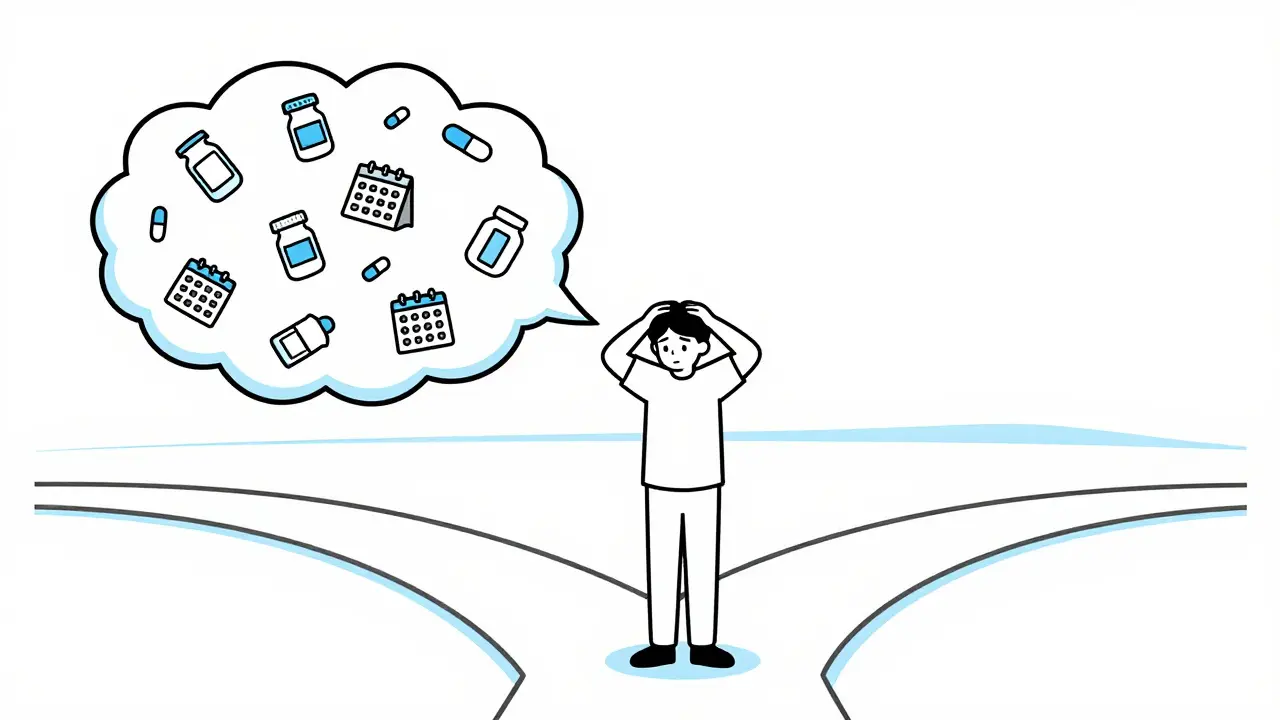
Pill schedule, the daily routine of when and how to take each medication is where most people stumble. It’s not just about forgetting. It’s about confusion—mixing up pills, not knowing if a dose was taken, or being overwhelmed by multiple drugs with different timing. People on five or more medications are especially at risk. A simple mistake, like taking a blood thinner with grapefruit juice or skipping a dose of antibiotics, can lead to hospital visits, organ damage, or even death. And it’s not just seniors—young adults with asthma, diabetes, or mental health conditions miss doses too, often because they feel fine or are embarrassed to talk about side effects.
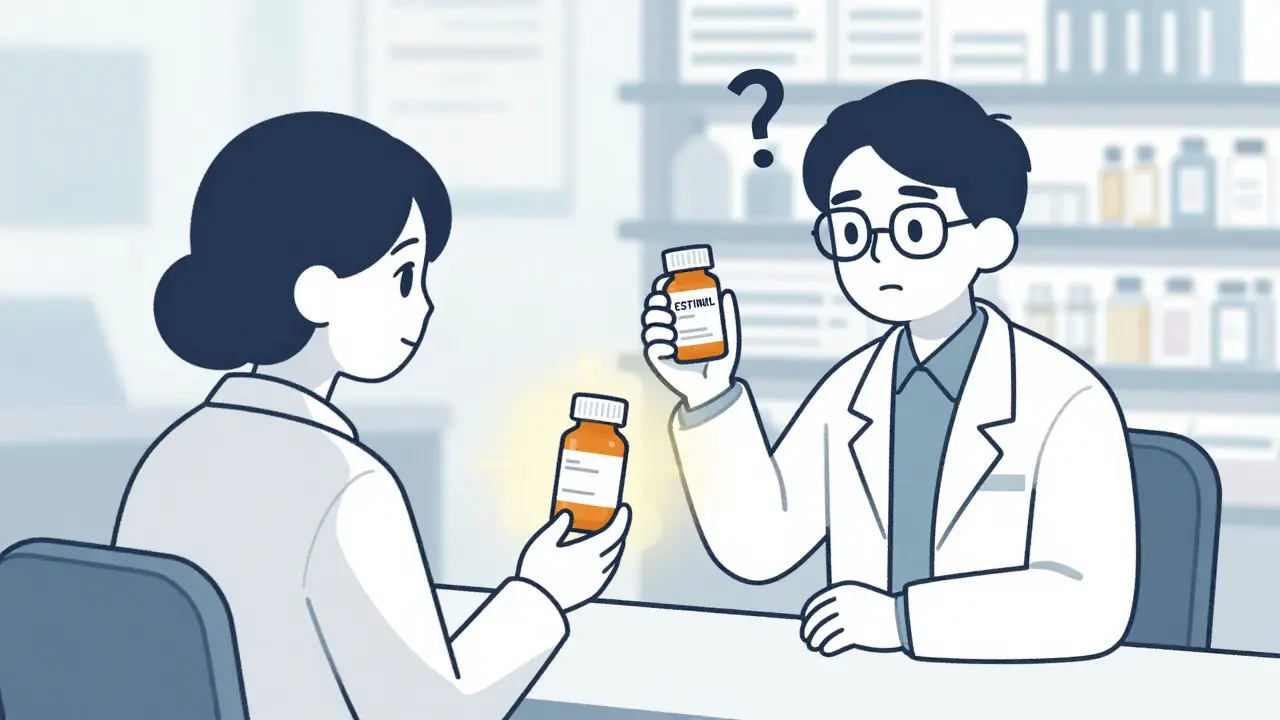
Medication safety, the practice of using drugs without harm through proper tracking, storage, and communication ties directly into adherence. If you don’t know what you’re taking or why, you’re more likely to quit. That’s why tools like personal medication lists, QR code labels, and visual dosing aids aren’t just nice-to-haves—they’re lifelines. So are patient assistance programs that remove cost barriers, or telehealth reviews that catch interactions before they cause harm. Even small changes—like keeping pills in a daily pillbox or setting phone alarms—can make a huge difference.
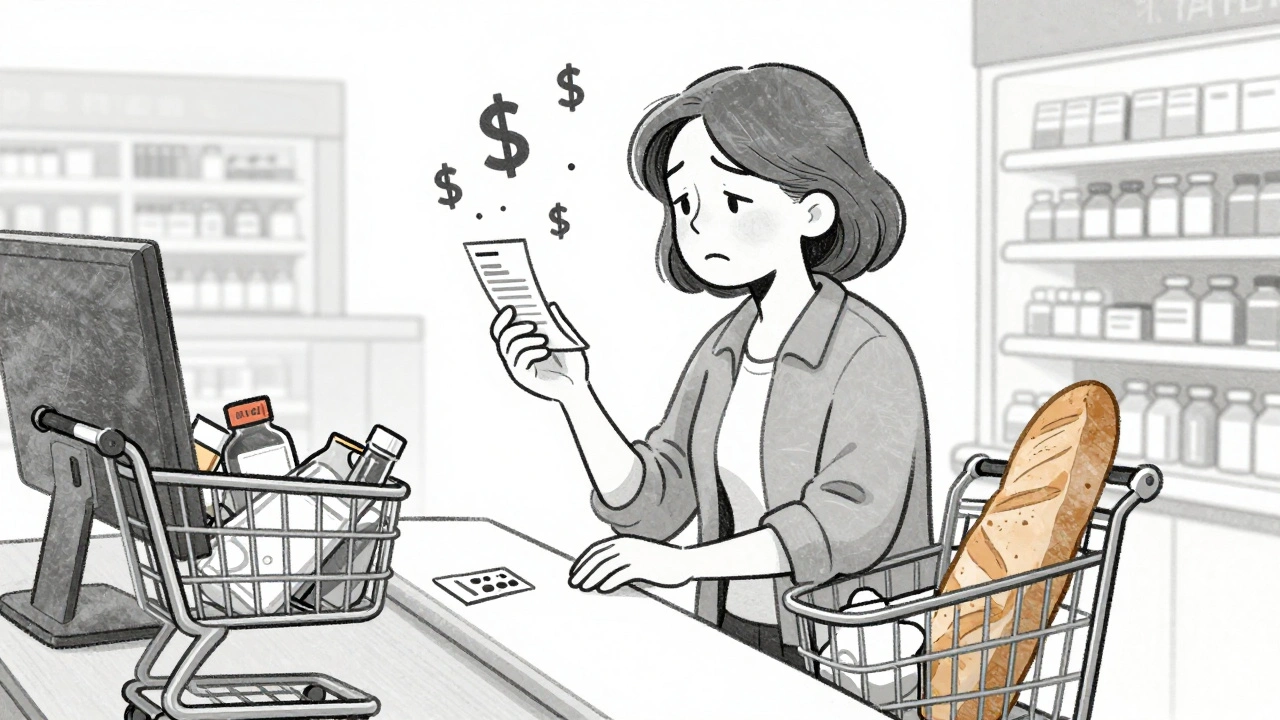
And it’s not just about taking the pill. It’s about understanding what happens when you don’t. High blood pressure meds? Skipping them raises stroke risk. Diabetes drugs? Missed doses spike blood sugar, damaging nerves and kidneys. Antidepressants? Stopping cold turkey can trigger withdrawal or relapse. The science is clear: consistent use saves lives. But no one talks about the real reasons people fall off track—cost, side effects, complexity, or just plain exhaustion.
Below, you’ll find real, practical guides that cut through the noise. Learn how to fix your pill schedule without adding stress, how to spot dangerous interactions before they happen, and how to use tools like QR codes and dosing aids to make meds easier. You’ll see how genetics affect warfarin dosing, why generic drugs aren’t just cheaper—they’re critical for long-term adherence, and how to get brand-name drugs for free when you can’t afford them. Whether you’re managing gout, fatty liver, or chronic pain, these posts give you the tools to stay on track—without guessing.